Published - Thu, 08 Jun 2023
10 Mailchimp Tips To Improve Email Marketing Performance

10 Mailchimp Tips To Improve Email Marketing Performance

Making email marketing campaigns that are effective is simple with Mailchimp’s customisable email marketing templates and intuitive designer. So, let’s have a look at some of the tips for Mailchimps to improve your email performance.

1. Take use of Mailchimp’s excellent customer service

If you ever have a query regarding your Mailchimp account, you should talk with one of their customer support representatives. You’ll get a response right away, and they’ll be able to help you through the entire process by looking at your account alongside you.

As an Free eCommerce Training & Support Platform, we will also help you to resolve your query and to maximize your Email Marketing campaigns. Simply, drop us your query at https://www.ecomm-guru.com/contact-us/

In addition, every customer support representative will serve you professionally and kindly. You’ll not only walk away with a solution to your query, but you’ll also feel better about yourself after each contact as a result of the conversation.

2. Create and import a list of items

Your subscriber list is the foundation of successful email marketing. The people who receive and act on your emails directly influence the open rates, click-through rates, and, most crucially, the outcomes of your campaigns and emails.

Because Mailchimp’s monthly prices are dependent on the number of subscribers on your list, you’ll want to be sure that your list is clean, compliant, and free of duplicates before signing up for the service. The most critical step for each Mailchimp user is the establishment and import of a good mailing list. There are various methods for importing subscribers into Mailchimp, but a CSV file seems to be the most straightforward for the vast majority of customers with whom we’ve worked.

3. Make use of Mailchimp’s drag-and-drop email template feature

To develop your email template, it is suggested that you use Mailhimp automation triggers drag and drop editor unless you are familiar with manipulating code and CSS or spending hundreds of dollars to have a bespoke design created for you.
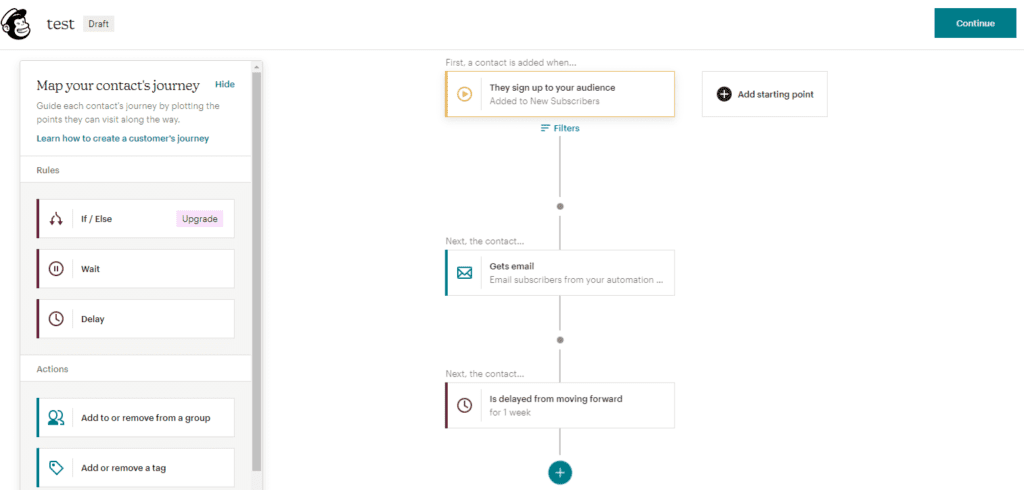
Even though the drag and drop approach has its limits and cannot be as customisable as other methods, the vast majority of clients can build an email template that they are satisfied with.

4. Make use of the Mailchimp preview and test tool

The vast majority of your subscribers may primary most read your emails on a mobile device, depending on your mailing list. Using Mailchimp’s Preview and Test tool is essential before sending your campaign to ensure that your email is optimised for mobile devices before launching it.
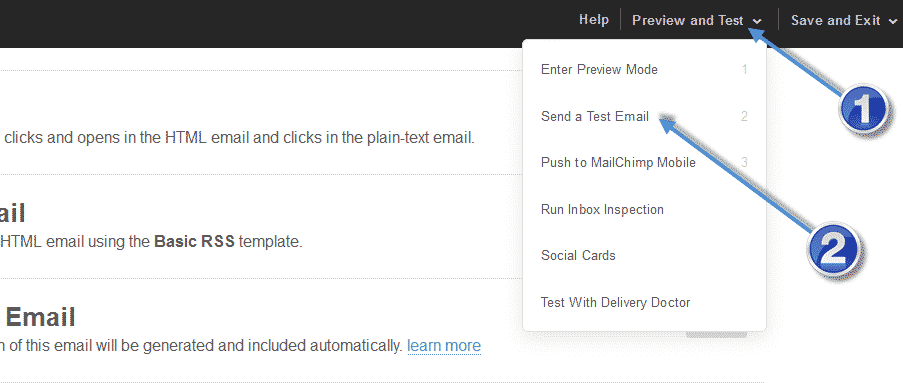
This basic Preview tool has come in handy on several occasions. If you are sending an email that will not be read on a mobile device, this is the last thing you want to do. Users who see an email that is not optimised for mobile will not take action on your emails and will have a greater likelihood of unsubscribing and ignoring your emails in the future if they continue to do so.

5. Split-test your email subject lines to see which one performs better

The subject line is the most often asked question by those who are producing and sending emails. What makes a good email subject line, and how do you write one? How long do you think it should take? What kind of words should it contain?
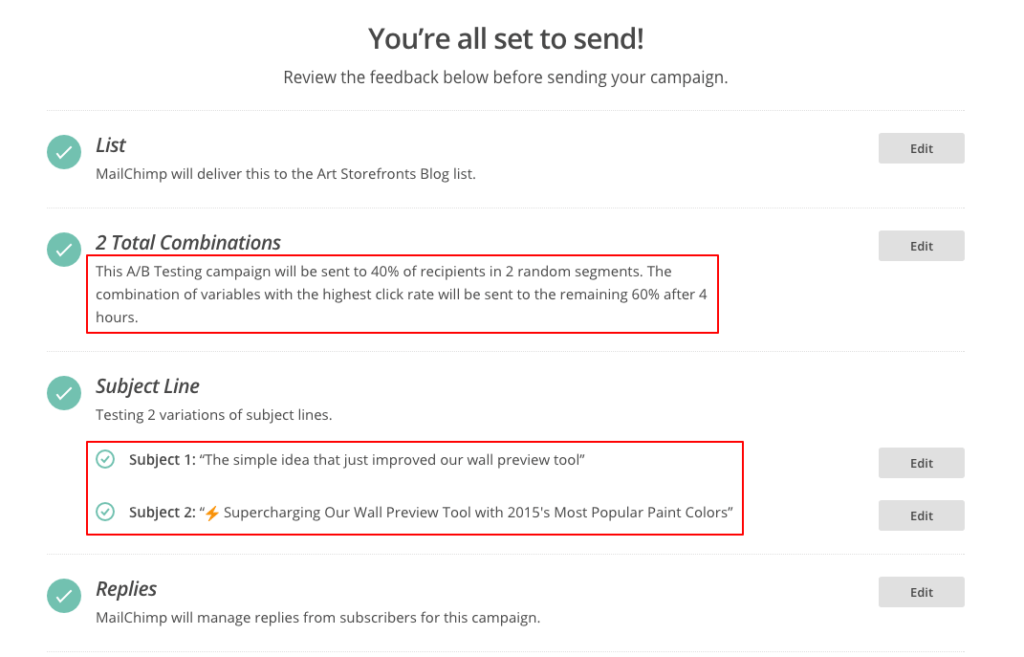
The only way to find out for sure is to do A/B tests on your subject lines regularly. Customers will appreciate how simple Mailchimp makes this process for them.

6. Make use of the Send Time Optimization tool in Mailchimp

The second most often asked question by email marketers is the optimum time to send emails to their list of subscribers. Fortunately, Mailchimp has developed a tool that analyses your subscribers’ click activity history to determine when they are usually the most engaged with your campaigns and ads.

Mailchimp then compares that information to the information about every other subscriber on your list. The Send Time Optimization tool can determine the time of day when subscribers on your list are most likely to engage with your campaigns based on the information provided by this feature.

7. Take use of Mailchimp’s automation features

The Mailchimp Automation platform has something to offer everyone, whether you are an alone owner or a multi-billion dollar worldwide organization. Mailchimp provides you with the opportunity to send timely, relevant information to your clients while taking a “set it and forget it” approach to marketing communications. You can also watch Mailchimp Transactional email tutorial for more extensive knowledge.

Many different types of automated email campaigns have been developed for businesses of all sizes. Everyone has another rationale for implementing a computerized campaign, but they all boil down to one thing: time constraints.

8. Integrate existing technologies with Mailchimp to increase efficiency

Create connections between Mailchimp and the online services you currently use, sync your data, import content, and track the impact your mailings are having on your company. Integrations are fantastic for automating campaigns, growing lists, and increasing subscriber engagement. In general, integrations just make life a whole lot simpler.

9. Find Mailchimp experts in the directory

There are some incredible things you can accomplish using Mailchimp. If you want assistance in configuring an integration or developing a bespoke project for your company, you can utilise Mailchimp’s Experts Directory to locate and hire someone with the necessary expertise.

10. Understand your reports
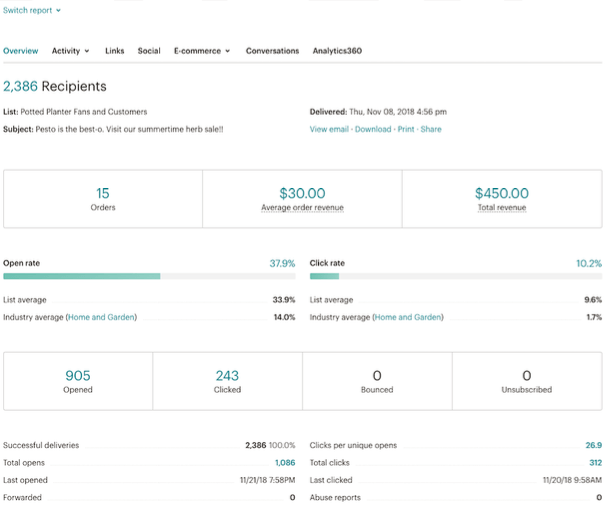
By examining your data, you can determine how effective your email marketing is in generating leads. Using this tool, you’ll be able to see if increasing the frequency of email sends has a favorable influence on sales or has a destructive impact on your unsubscribe and compliance rates. You’ll discover whether or not tailoring your messages to certain subscribers was worthwhile or if it had no effect. Each report should assist you in refining your email approach and bringing you closer to the outcomes you want.

Created by

Yashraj Gautam

Digital Marketer and Sr. Project Leader

View profile

Comments (0)

Search
Popular categories
Latest blogs
The Power of Email Marketing in eCommerce
Unveiling the Email Advantage: How E-commerce Thrives on Targeted CommunicationIn the dynamic world of e-commerce, where competition thrives and attention spans shrink, establishing a strong connection with your customers is paramount. This is where email marketing emerges as a powerful tool, a secret weapon in your arsenal.Unlike fleeting social media posts or impersonal ads, email marketing fosters a direct line of communication with your audience. It allows you to nurture leads, convert browsers into buyers, and cultivate brand loyalty – all at a remarkably low cost.Here's how email marketing fuels the success of e-commerce businesses:Targeted Communication: Email lists allow for segmentation, enabling you to tailor messages to specific customer interests and purchase behaviors. Imagine sending discount codes on athletic wear to gym enthusiasts or promoting new arrivals to recent buyers. This personalization fosters relevance and significantly boosts engagement.Building Relationships: Effective email marketing goes beyond promotions. Share valuable content, industry insights, or behind-the-scenes glimpses into your brand. This humanizes your business, builds trust, and positions you as an authority in your niche.Rekindling Interest: Let's face it, shopping carts get abandoned. Reconnect with potential customers who left items behind with strategically timed reminder emails. Showcase complementary products or offer incentives to complete their purchase.Driving Sales: Targeted promotions, exclusive offers, and flash sales delivered straight to inboxes can significantly boost conversion rates. Announce new product launches or highlight seasonal collections to drive traffic to your website.Customer Retention: Don't underestimate the power of a well-timed "We miss you!" email. Re-engage past customers with personalized recommendations or exclusive loyalty program benefits. This rekindles interest and encourages repeat purchases.Measurable Results: Unlike traditional marketing channels, email marketing offers a wealth of data. Track open rates, click-throughs, and conversion rates to understand what resonates with your audience. Use this data to refine your strategy and maximize your return on investment (ROI).Unleashing the Power of Email MarketingNow that you understand the potential, here are some practical tips to get you started:Build Your List: Offer incentives like discounts or early access to new products in exchange for email signups.Segment Your Audience: Group subscribers based on interests, demographics, or purchase history for targeted communication.Craft Compelling Content: Prioritize clear, concise emails with captivating subject lines to pique curiosity and encourage opens.Design Matters: Invest in visually appealing email templates that showcase your brand and products effectively.Maintain Consistency: Develop an email schedule that keeps your brand at the forefront of your customers' minds without overwhelming them.Prioritize Mobile Optimization: Ensure your emails render flawlessly on all devices, as a significant portion of emails are opened on smartphones.By embracing email marketing, you unlock a powerful tool to nurture customer relationships, drive sales, and cultivate brand loyalty in the competitive world of e-commerce. So, put these strategies into action and watch your online store flourish!

Fri, 15 Mar 2024

Tips for Optimizing Product Pages for Conversions
Turn Window Shoppers into Buyers: 5 Conversion-Boosting Product Page TipsIn the world of e-commerce, your product page is the digital salesperson closing the deal. It's where indecision turns into clicks, and browsers become buyers. But with so much competition, how do you make sure your product pages are optimized for maximum conversion?Here are 5 key tips to turn those window shoppers into loyal customers:1. Content that Converts: Craft Compelling CopyThink of your product page copy as a conversation with a potential customer. Answer their questions, address their pain points, and most importantly, highlight the benefits your product offers.Focus on benefits, not features. Don't just list technical specifications; explain how those features translate into a better experience for the customer.Use clear and concise language. Avoid jargon and technical terms that might confuse your audience.Write in an engaging and informative style. Infuse your copy with personality and enthusiasm for your product.2. Show, Don't Tell: High-Quality Product ImagesIn the absence of a physical store, high-quality images are essential for building trust and showcasing your product. Here's what to keep in mind:Multiple angles and close-ups. Give viewers a 360-degree view of the product.Professional lighting and clear backgrounds. Let the product be the star of the show.Showcase the product in use. Lifestyle images can help customers envision themselves using and enjoying the product.Consider adding product videos. Videos can provide even more detailed information and engagement.3. Build Trust and Credibility: Social Proof is KingPeople are more likely to buy from a brand they trust. Social proof elements like customer reviews, ratings, and testimonials can significantly increase conversions.Display genuine customer reviews. Both positive and negative reviews (addressed appropriately) show authenticity.Feature user-generated content (UGC). Showcase photos and videos from real customers using your product on social media.Include trust signals. Logos from secure payment processors, money-back guarantees, and return policies can alleviate buyer concerns.4. Make the Purchase Seamless: Streamline User ExperienceA smooth user experience is key to avoiding cart abandonment. Here's how to optimize your product pages for easy buying:Clear call to action (CTA) buttons. Make it clear what you want visitors to do (e.g., "Add to Cart" or "Buy Now").Mobile-friendly design. A significant portion of online shopping happens on mobile devices. Ensure your product pages are responsive and easy to navigate on all screen sizes.Multiple payment options. Offer a variety of secure payment methods to cater to different customer preferences.5. A/B Test and Refine: Continuous ImprovementThe best product page optimization strategies are data-driven. Utilize A/B testing to compare different versions of your pages and see what resonates best with your audience.Test headlines, CTAs, image variations, and product descriptions.Track key metrics like conversion rates, click-through rates, and bounce rates.Continuously refine your product pages based on the data you collect.By implementing these tips and staying data-driven, you can transform your product pages into conversion powerhouses, turning curious clicks into satisfied customers. Remember, a well-optimized product page isn't just about aesthetics; it's about creating a clear path to purchase and a positive customer experience.

Thu, 14 Mar 2024

Mastering SEO for eCommerce Websites
Mastering the Art of eCommerce SEO: Attract, Engage, ConvertIn the ever-crowded world of online shopping, where discovery is key, mastering SEO (Search Engine Optimization) for your eCommerce website is no longer a luxury - it's a necessity. It's the secret weapon that propels your store to the forefront, attracting potential customers actively searching for what you offer. But how do you go from SEO novice to eCommerce guru? Here's a roadmap to get you started:1. Keyword Magic: Unlocking Buyer IntentThe foundation of any SEO strategy is keyword research. Here, we delve into the minds of your target audience and identify the terms they use to find products like yours. Think beyond just product names and explore informational keywords. Someone searching for "hiking boots buying guide" is likely on the path to a purchase. Tools like Google Keyword Planner or Ahrefs can be goldmines in this process. Aim for a mix of high-volume, low-competition keywords and long-tail keywords with laser focus.2. Content is King (and Queen):Informational content is your gateway to attracting potential customers. Create a blog that addresses common pain points and buying considerations related to your products. Educate, inspire, and establish yourself as a thought leader in your niche. Don't be afraid to weave in product recommendations strategically, but prioritize value over blatant sales pitches.3. Product Page Optimization: Speak the Search Engine LanguageThis is where SEO and user experience become best friends. Optimize your product pages with targeted keywords in titles, descriptions, and URLs. Craft compelling product descriptions that are informative and engaging for both users and search engines. High-quality images and videos showcasing your products from every angle are crucial. Don't forget schema markup, which acts as rich snippets, providing Google with valuable data about your products, leading to potentially richer search results.4. User-Friendly Navigation: A Frictionless JourneyImagine a maze with dead ends and hidden passages - that's what a poorly structured website feels like. Your site needs to be intuitive and easy to navigate. Organize products into clear categories and subcategories. Implement faceted navigation filters that allow users to refine their searches effortlessly. A mobile-responsive design is no longer optional - it's essential in today's mobile-first world.5. Link Building: The Credibility CurrencyQuality backlinks from reputable websites act as votes of confidence for your store in the eyes of search engines. Earning backlinks organically takes time and effort, but you can jumpstart the process by creating high-value content that others want to link to. Guest blogging on relevant industry websites, creating infographics, and participating in online communities are all great ways to build links.Remember, SEO is a marathon, not a sprint.  Be patient, consistent, and data-driven in your approach. Regularly monitor your website's analytics to see what's working and what needs tweaking. Embrace the ever-evolving SEO landscape and stay updated on the latest trends. By mastering these SEO fundamentals, you'll be well on your way to attracting a loyal customer base and achieving long-term success for your eCommerce website.

Wed, 13 Mar 2024

All blogs