Published - Thu, 30 Nov 2023
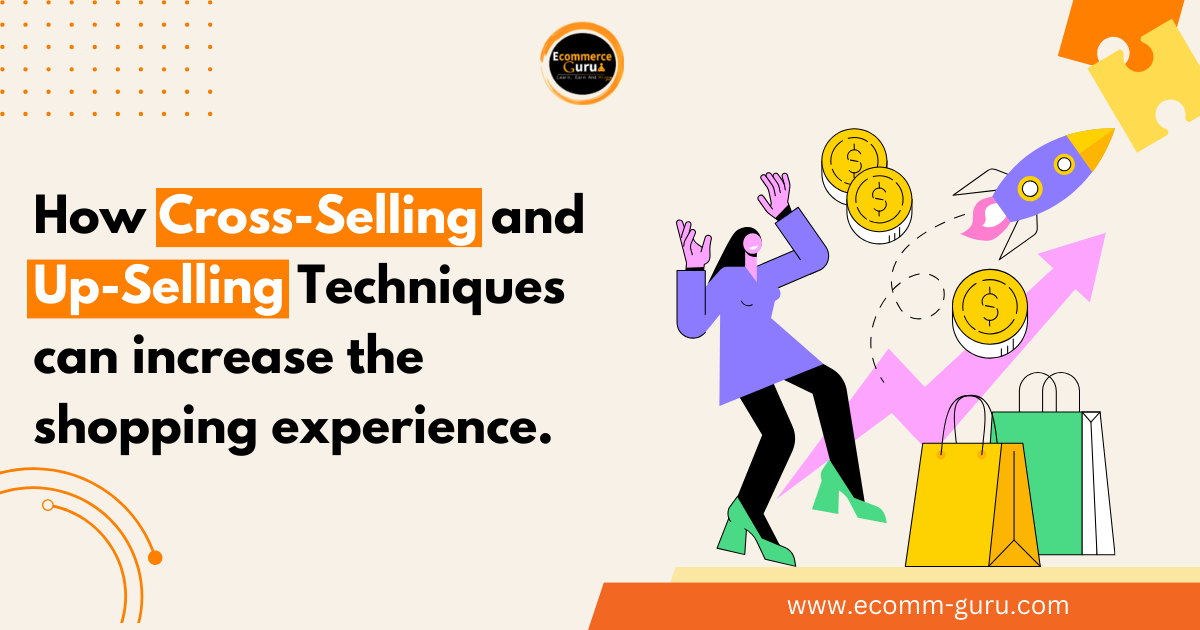
How cross-selling and upselling techniques can increase the average order value and enhance the customer shopping experience.
Cross-selling and upselling are powerful techniques used by businesses to increase the average order value and enhance the customer shopping experience. They involve suggesting related or complementary products to customers based on their current purchases, encouraging them to spend more and discover products that they might find valuable. Here's how these techniques work and how they can benefit both businesses and customers:
1. Cross-selling:
Cross-selling involves suggesting additional products that are related or complementary to what the customer is currently purchasing. This technique can enhance the shopping experience and boost revenue in the following ways:
Increased Value for Customers: By offering products that complement the customer's main purchase, you can help them achieve more value from their shopping experience. For example, if a customer is buying a camera, you could cross-sell them a camera bag, memory cards, or a tripod.
Discovery of New Products: Cross-selling exposes customers to products they might not have considered otherwise. This introduces them to a wider range of options and helps them discover items that align with their interests and needs.
Higher Average Order Value: Suggesting additional products encourages customers to add more items to their cart, leading to a higher average order value. This directly contributes to increased revenue for the business.
Customer Satisfaction: When cross-selling is done effectively, customers feel understood and assisted in finding everything they need in one place. This positive experience can lead to increased customer satisfaction and loyalty.
2. Upselling:
Upselling involves offering customers a higher-end or more advanced version of the product they are considering. This technique can lead to higher profits and a better shopping experience:
Enhanced Product Features: Upselling allows customers to experience the benefits of a more feature-rich or premium product. This can lead to higher customer satisfaction if the upgraded product better meets their needs.
Demonstration of Value: By explaining how the higher-priced product offers more value, you're helping customers make informed decisions. This can lead to a perception that spending more is justified.
Increased Revenue: Selling higher-priced products directly contributes to increased revenue and potentially higher profit margins, as premium products often have higher profit margins.
Personalized Recommendations: When done correctly, upselling demonstrates that you understand the customer's preferences and needs. This personalized approach can enhance the shopping experience.
Benefits for Customers:
Efficiency: Customers appreciate being presented with complementary or upgraded options that save them time searching for related products.
Informed Decisions: Well-executed cross-selling and upselling provide customers with information they might not have considered, helping them make more informed choices.
Savings: Bundled offers or package deals through cross-selling can save customers money compared to buying items separately.
Access to Upgrades: Upselling gives customers the chance to enjoy enhanced features and benefits they might not have known about otherwise.
Incorporating these techniques requires a balance between increasing revenue and providing genuine value to customers. The key lies in understanding customer preferences, demonstrating the value of the suggested products, and ensuring a seamless shopping experience. When executed well, cross-selling and upselling can benefit both businesses and customers by increasing revenue and enhancing the overall shopping journey.
Created by

Comments (0)
Search
Popular categories
Ecommerce Trends
239Business
54Marketing
37Website
23Social Media
22Courses
21Latest blogs

The Power of Email Marketing in eCommerce
Fri, 15 Mar 2024
Tips for Optimizing Product Pages for Conversions
Thu, 14 Mar 2024
Mastering SEO for eCommerce Websites
Wed, 13 Mar 2024
Write a public review