Published - Tue, 06 Jun 2023
Hyperlocal Marketing in India: How It Works, Benefits, Strategies, Market Size,

Hyperlocal Marketing in India: How It Works, Benefits, Strategies, Market Size,

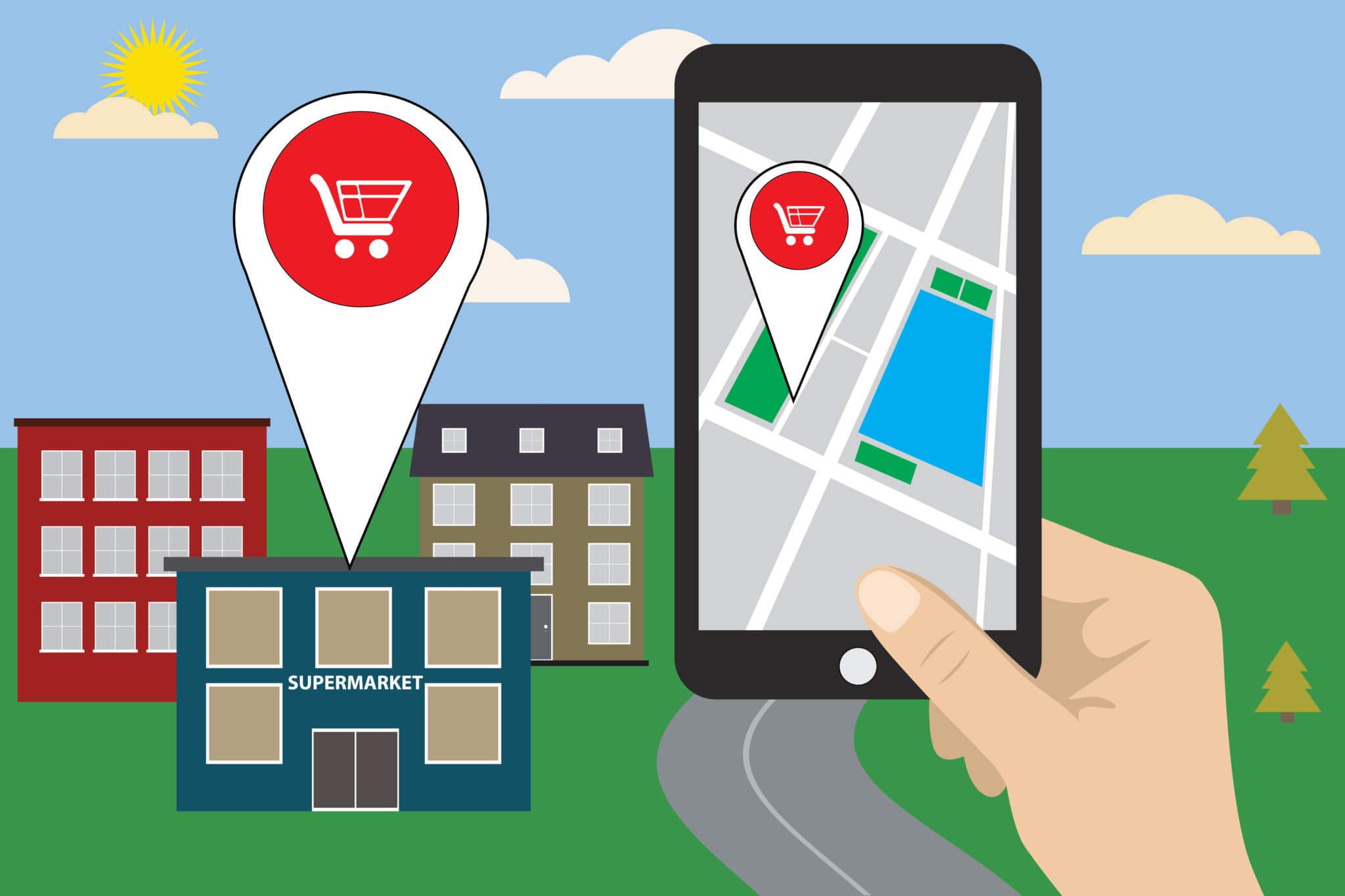
A conventional marketing strategy that focuses on a smaller number of shoppers in a very specific area is hyperlocal marketing.

In other words, it specifically targets individuals who want to buy goods or services locally in extremely localized and address-specific areas.

A super-targeted type of hyperlocal marketing strategy to attract inbound traffic, companies don’t need to spend money on national campaigns. Hyperlocal marketing strategies can be based on one block and provide the basis for a real one-to-one relationship in a particular area with customers. It seems less daunting, but a very tough objective to accomplish in practice.

The main goal of hyperlocal marketing in India is to increase foot traffic to retail stores and focus on highly commercially intended near-me searches. When individuals conduct hyperlocal searches, they search with the intention of purchasing.

Hyperlocal case studies are based on a study of local points of interest and other demographic and economic data, the market potential for each store. This helped the business build a plan for its latest product to target which stores it should target.

Hyperlocal Geo focuses on how new businesses are targeting their new store strategies, not in the town or store, but wanting to carry out a new product across India. In all its stores, Hyperlocal Geo decided to introduce its product to give them the best results. Then they give Hyperlocal companies a collaboration to find out the exact position they should target.

The hyperlocal market size in India was at $1,324.2 billion in 2019, and by 2027 it is expected to hit $3,634.3 billion, with a CAGR of 17.9 percent from 2021 to 2027. Hyperlocal services are those services delivered within a small geographical region in which vendors can deliver products or services within a minimum amount of time. The unique aspect of the hyperlocal service model is that both the consumer and the seller are very close to the entire supply chain.

Online and offline businesses are in a strong position to take advantage of the hyperlocal market in India, taking these figures and data into account. Here are some ways to expand your business using a hyperlocal marketing strategy.

Hyperlocal Marketing Strategies:

1.Improve your Google My Business listing

It is important for small business owners who have physical locations to optimize their pages on Google My Business. The cornerstone of hyperlocal marketing is Google My Company.

Did you know that location is linked to 33 percent of all searches on Google? You should concentrate on that and provide incredibly detailed information about your business. To explain what separates your small business from competitors, a special business summary that contains 750 characters. You should add appropriate keywords, and do it within the first 100 words, avoid overloaded keywords.

2.Build hyperlocal content

To build good partnerships and raise sales, small businesses involved in leveraging the local community want to engage in dialogue groups. Developing local content in a specific local area will increase rankings and arouse people’s interest. First of all, what consumers want to consume is what you need to concentrate on, but not what you want to make.

Analyze your content and create the type of content that will most resonate with your clients. It can be difficult to reach an audience in a specified local area often. You should try to attract local talent so the desires and needs of a local area you are involved in are better understood.

3. Make the contact details on the website stand out.

It’s easier for a potential customer to reach you by adding some contact details to your website. It also makes the brand more open, contactable, and tangible, which, in turn, will lead to more sales and conversions and create more satisfaction with customers.

Ensure that localized objects such as monuments, local landmarks, popular attractions, public streets, and other local points of interest are included, enabling individuals to easily access you online and interact with your company.

4. Add organized markup of data

It is important to categorize the company as local while concentrating on hyperlocal marketing. It will help Google find as much information about your company as possible by including structured data markup relevant to your company on your website pages.

List various company attributes, such as an address, business hours, phone number, social links, the logo of the web, and an official name. If properly implemented, it makes it easier to appear in particular geographic search results for your business. Use the Structured Data Testing Tool to improve the relevant results with schema markup. In your Standardized Data tags, the tool helps to identify potential problems and reduce the number of errors and alerts.

5. Using Marketing Email

Email marketing is a smart way to advertise and drive a lot of organic traffic to your local company. You can incorporate maps to display your local business directions, add click-to-call buttons, share a simple message, and include special offers. Optimizing your emails for viewing on mobile devices and tablets is vital as many people are likely to open them using these devices. To raise your website traffic, you can also follow this ultimate email outreach guide.

Wrapping Up:

A better way to improve your local presence, drive more traffic, and take your company to the next level is to have a successful hyperlocal marketing strategy. Keep exploring and learning from every hyperlocal initiative to find out how to scale the target cities and regions effectively.

Created by

Yashraj Gautam

Digital Marketer and Sr. Project Leader

View profile

Comments (0)

Search
Popular categories
Latest blogs
The Power of Email Marketing in eCommerce
Unveiling the Email Advantage: How E-commerce Thrives on Targeted CommunicationIn the dynamic world of e-commerce, where competition thrives and attention spans shrink, establishing a strong connection with your customers is paramount. This is where email marketing emerges as a powerful tool, a secret weapon in your arsenal.Unlike fleeting social media posts or impersonal ads, email marketing fosters a direct line of communication with your audience. It allows you to nurture leads, convert browsers into buyers, and cultivate brand loyalty – all at a remarkably low cost.Here's how email marketing fuels the success of e-commerce businesses:Targeted Communication: Email lists allow for segmentation, enabling you to tailor messages to specific customer interests and purchase behaviors. Imagine sending discount codes on athletic wear to gym enthusiasts or promoting new arrivals to recent buyers. This personalization fosters relevance and significantly boosts engagement.Building Relationships: Effective email marketing goes beyond promotions. Share valuable content, industry insights, or behind-the-scenes glimpses into your brand. This humanizes your business, builds trust, and positions you as an authority in your niche.Rekindling Interest: Let's face it, shopping carts get abandoned. Reconnect with potential customers who left items behind with strategically timed reminder emails. Showcase complementary products or offer incentives to complete their purchase.Driving Sales: Targeted promotions, exclusive offers, and flash sales delivered straight to inboxes can significantly boost conversion rates. Announce new product launches or highlight seasonal collections to drive traffic to your website.Customer Retention: Don't underestimate the power of a well-timed "We miss you!" email. Re-engage past customers with personalized recommendations or exclusive loyalty program benefits. This rekindles interest and encourages repeat purchases.Measurable Results: Unlike traditional marketing channels, email marketing offers a wealth of data. Track open rates, click-throughs, and conversion rates to understand what resonates with your audience. Use this data to refine your strategy and maximize your return on investment (ROI).Unleashing the Power of Email MarketingNow that you understand the potential, here are some practical tips to get you started:Build Your List: Offer incentives like discounts or early access to new products in exchange for email signups.Segment Your Audience: Group subscribers based on interests, demographics, or purchase history for targeted communication.Craft Compelling Content: Prioritize clear, concise emails with captivating subject lines to pique curiosity and encourage opens.Design Matters: Invest in visually appealing email templates that showcase your brand and products effectively.Maintain Consistency: Develop an email schedule that keeps your brand at the forefront of your customers' minds without overwhelming them.Prioritize Mobile Optimization: Ensure your emails render flawlessly on all devices, as a significant portion of emails are opened on smartphones.By embracing email marketing, you unlock a powerful tool to nurture customer relationships, drive sales, and cultivate brand loyalty in the competitive world of e-commerce. So, put these strategies into action and watch your online store flourish!

Fri, 15 Mar 2024

Tips for Optimizing Product Pages for Conversions
Turn Window Shoppers into Buyers: 5 Conversion-Boosting Product Page TipsIn the world of e-commerce, your product page is the digital salesperson closing the deal. It's where indecision turns into clicks, and browsers become buyers. But with so much competition, how do you make sure your product pages are optimized for maximum conversion?Here are 5 key tips to turn those window shoppers into loyal customers:1. Content that Converts: Craft Compelling CopyThink of your product page copy as a conversation with a potential customer. Answer their questions, address their pain points, and most importantly, highlight the benefits your product offers.Focus on benefits, not features. Don't just list technical specifications; explain how those features translate into a better experience for the customer.Use clear and concise language. Avoid jargon and technical terms that might confuse your audience.Write in an engaging and informative style. Infuse your copy with personality and enthusiasm for your product.2. Show, Don't Tell: High-Quality Product ImagesIn the absence of a physical store, high-quality images are essential for building trust and showcasing your product. Here's what to keep in mind:Multiple angles and close-ups. Give viewers a 360-degree view of the product.Professional lighting and clear backgrounds. Let the product be the star of the show.Showcase the product in use. Lifestyle images can help customers envision themselves using and enjoying the product.Consider adding product videos. Videos can provide even more detailed information and engagement.3. Build Trust and Credibility: Social Proof is KingPeople are more likely to buy from a brand they trust. Social proof elements like customer reviews, ratings, and testimonials can significantly increase conversions.Display genuine customer reviews. Both positive and negative reviews (addressed appropriately) show authenticity.Feature user-generated content (UGC). Showcase photos and videos from real customers using your product on social media.Include trust signals. Logos from secure payment processors, money-back guarantees, and return policies can alleviate buyer concerns.4. Make the Purchase Seamless: Streamline User ExperienceA smooth user experience is key to avoiding cart abandonment. Here's how to optimize your product pages for easy buying:Clear call to action (CTA) buttons. Make it clear what you want visitors to do (e.g., "Add to Cart" or "Buy Now").Mobile-friendly design. A significant portion of online shopping happens on mobile devices. Ensure your product pages are responsive and easy to navigate on all screen sizes.Multiple payment options. Offer a variety of secure payment methods to cater to different customer preferences.5. A/B Test and Refine: Continuous ImprovementThe best product page optimization strategies are data-driven. Utilize A/B testing to compare different versions of your pages and see what resonates best with your audience.Test headlines, CTAs, image variations, and product descriptions.Track key metrics like conversion rates, click-through rates, and bounce rates.Continuously refine your product pages based on the data you collect.By implementing these tips and staying data-driven, you can transform your product pages into conversion powerhouses, turning curious clicks into satisfied customers. Remember, a well-optimized product page isn't just about aesthetics; it's about creating a clear path to purchase and a positive customer experience.

Thu, 14 Mar 2024

Mastering SEO for eCommerce Websites
Mastering the Art of eCommerce SEO: Attract, Engage, ConvertIn the ever-crowded world of online shopping, where discovery is key, mastering SEO (Search Engine Optimization) for your eCommerce website is no longer a luxury - it's a necessity. It's the secret weapon that propels your store to the forefront, attracting potential customers actively searching for what you offer. But how do you go from SEO novice to eCommerce guru? Here's a roadmap to get you started:1. Keyword Magic: Unlocking Buyer IntentThe foundation of any SEO strategy is keyword research. Here, we delve into the minds of your target audience and identify the terms they use to find products like yours. Think beyond just product names and explore informational keywords. Someone searching for "hiking boots buying guide" is likely on the path to a purchase. Tools like Google Keyword Planner or Ahrefs can be goldmines in this process. Aim for a mix of high-volume, low-competition keywords and long-tail keywords with laser focus.2. Content is King (and Queen):Informational content is your gateway to attracting potential customers. Create a blog that addresses common pain points and buying considerations related to your products. Educate, inspire, and establish yourself as a thought leader in your niche. Don't be afraid to weave in product recommendations strategically, but prioritize value over blatant sales pitches.3. Product Page Optimization: Speak the Search Engine LanguageThis is where SEO and user experience become best friends. Optimize your product pages with targeted keywords in titles, descriptions, and URLs. Craft compelling product descriptions that are informative and engaging for both users and search engines. High-quality images and videos showcasing your products from every angle are crucial. Don't forget schema markup, which acts as rich snippets, providing Google with valuable data about your products, leading to potentially richer search results.4. User-Friendly Navigation: A Frictionless JourneyImagine a maze with dead ends and hidden passages - that's what a poorly structured website feels like. Your site needs to be intuitive and easy to navigate. Organize products into clear categories and subcategories. Implement faceted navigation filters that allow users to refine their searches effortlessly. A mobile-responsive design is no longer optional - it's essential in today's mobile-first world.5. Link Building: The Credibility CurrencyQuality backlinks from reputable websites act as votes of confidence for your store in the eyes of search engines. Earning backlinks organically takes time and effort, but you can jumpstart the process by creating high-value content that others want to link to. Guest blogging on relevant industry websites, creating infographics, and participating in online communities are all great ways to build links.Remember, SEO is a marathon, not a sprint.  Be patient, consistent, and data-driven in your approach. Regularly monitor your website's analytics to see what's working and what needs tweaking. Embrace the ever-evolving SEO landscape and stay updated on the latest trends. By mastering these SEO fundamentals, you'll be well on your way to attracting a loyal customer base and achieving long-term success for your eCommerce website.

Wed, 13 Mar 2024

All blogs