Published - Mon, 15 Jan 2024
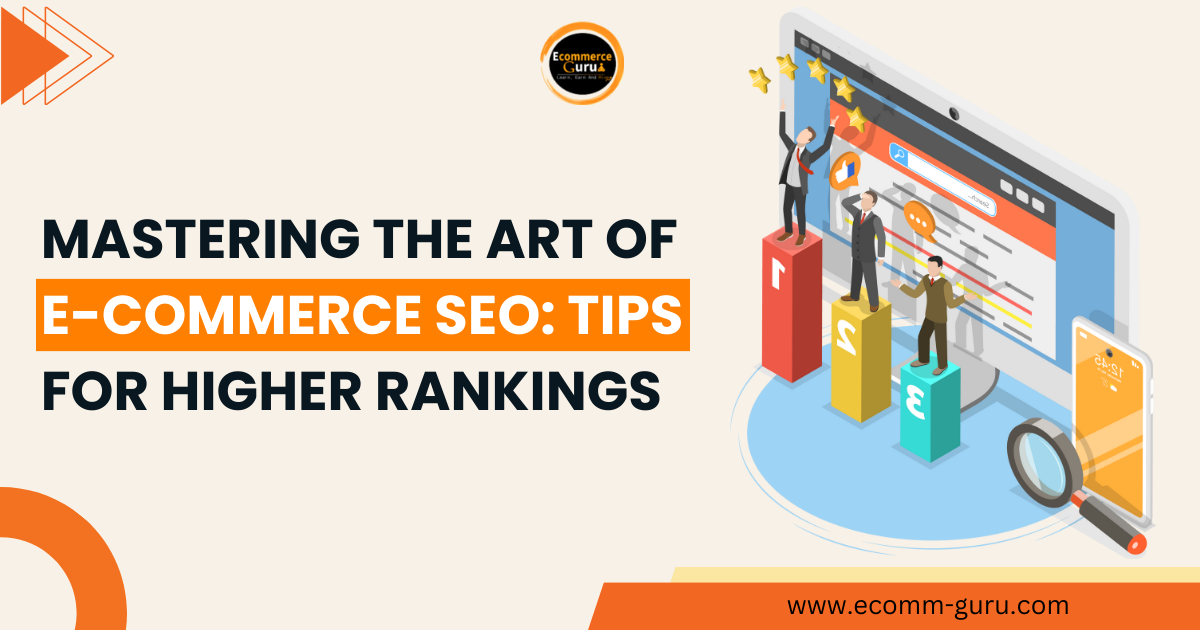
"Mastering the Art of E-commerce SEO: Tips for Higher Rankings"
Mastering the art of E-commerce SEO (Search Engine Optimization) is crucial for online businesses aiming to improve their visibility, attract more organic traffic, and ultimately increase sales. Here are some tips to achieve higher rankings in search engines:
Keyword Research: Understand your audience's search intent and behavior. Use tools like Google Keyword Planner, SEMrush, or Ahrefs to find relevant keywords with high search volumes and optimize your product pages accordingly.
Optimized Product Pages: Each product page should have a unique title tag, meta description, and URL containing relevant keywords. Incorporate long-tail keywords naturally into product descriptions, headings, and alt tags for images.
Site Structure and Navigation: Create a clear and intuitive site structure. Use categories, subcategories, and internal linking to make it easy for both users and search engine crawlers to navigate your site. A well-organized site structure can improve indexation and ranking.
Mobile Optimization: With the increasing use of mobile devices, ensure your e-commerce site is mobile-friendly. Google prioritizes mobile-first indexing, so your site should be responsive and provide a seamless experience across various devices.
Page Loading Speed: Optimize your website's loading speed. Use tools like Google's PageSpeed Insights or GTmetrix to identify and fix issues that might slow down your site. Faster-loading pages tend to rank better in search results.
High-Quality Content: Create informative, engaging, and unique content. Product descriptions, blog posts, how-to guides, and customer reviews can help improve SEO and provide value to your audience.
Optimize for Local SEO: If you have a physical store or cater to specific regions, optimize for local search. Create local landing pages, use location-based keywords, and ensure consistency across online directories and listings.
Optimize Images and Videos: Use descriptive file names and alt text for images and videos. This not only improves accessibility but also provides more context to search engines about your content.
Structured Data Markup: Implement structured data (schema markup) to provide search engines with additional information about your products. This can enhance your listings in search results with rich snippets, like reviews, ratings, and product availability.
Monitor and Adapt: Regularly monitor your site's performance using tools like Google Analytics and Google Search Console. Track keyword rankings, traffic patterns, and user behavior to identify areas for improvement and adapt your SEO strategy accordingly.
Remember, SEO is an ongoing process that requires constant monitoring, adaptation, and experimentation. By implementing these tips and staying updated with industry best practices, you can enhance your e-commerce site's visibility and drive more organic traffic, leading to higher rankings and increased conversions.
Created by

Comments (0)
Search
Popular categories
Ecommerce Trends
239Business
54Marketing
37Website
23Social Media
22Courses
21Latest blogs

The Power of Email Marketing in eCommerce
Fri, 15 Mar 2024
Tips for Optimizing Product Pages for Conversions
Thu, 14 Mar 2024

Mastering SEO for eCommerce Websites
Wed, 13 Mar 2024
Write a public review