Published - Thu, 11 Jan 2024
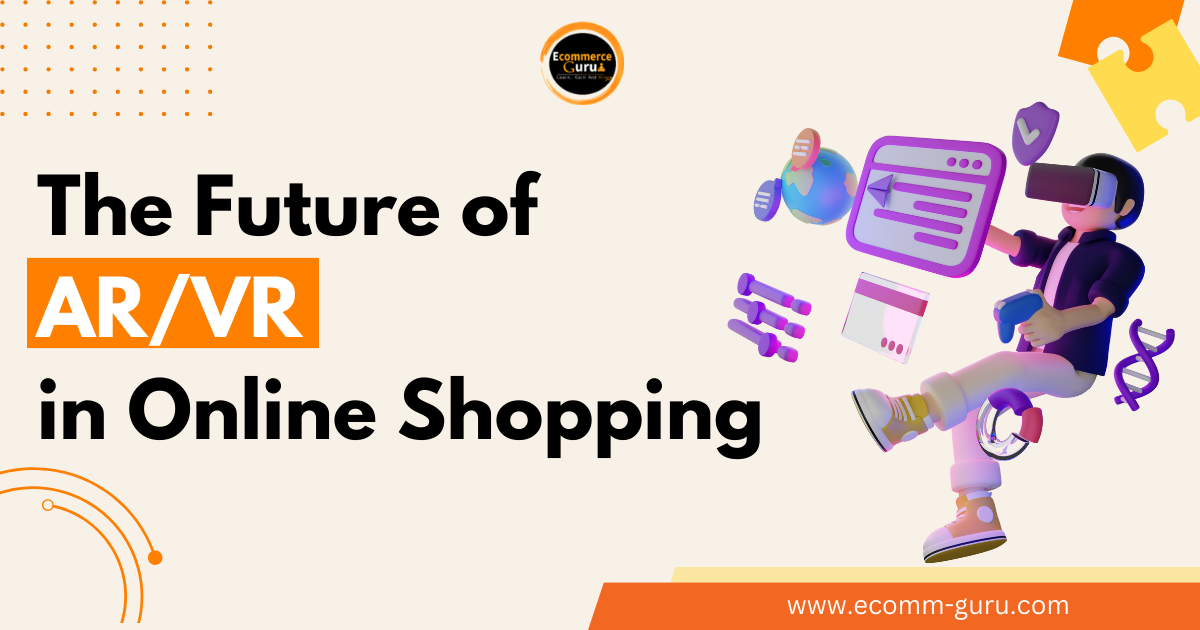
The Future of AR/VR in Online Shopping
The future of Augmented Reality (AR) and Virtual Reality (VR) in online shopping is auspicious, with technology continuously evolving to enhance the shopping experience. Here are some key aspects shaping the future of AR/VR in online shopping:
1. Enhanced Customer Experience:
Try-Before-You-Buy: AR/VR allows customers to virtually try products before making a purchase, such as trying on clothes, testing furniture in their homes, or visualizing how products will look in real-life settings.
Interactive Product Visualization: Users can interact with products in 3D, zooming in, rotating, or customizing items to match preferences, leading to more informed purchasing decisions.
2. Personalization and Customization:
Tailored Recommendations: Using AR/VR, retailers can offer personalized product recommendations based on user preferences, past purchases, and browsing behavior.
Customizable Products: Customers can use VR to personalize and customize products in real-time, designing items to suit their tastes.
3. Retailer Benefits:
Reduced Return Rates: With AR/VR enabling customers to preview products more accurately, it can potentially reduce return rates by providing a better understanding of the product.
Increased Engagement and Sales: Immersive experiences tend to engage users more deeply, potentially leading to higher sales conversions.
4. Integration with E-commerce Platforms:
AR/VR in Mobile Apps and Websites: Integrating AR/VR features directly into e-commerce platforms allows for seamless shopping experiences without the need for additional apps or devices.
Social Commerce: AR/VR could merge with social media platforms, enabling users to try products virtually within their social feeds and make direct purchases.
5. Technological Advancements:
Improvements in Hardware: Advancements in AR/VR hardware, such as more comfortable headsets, higher resolutions, and better tracking, will lead to a more immersive and accessible shopping experience.
AI and Data Integration: AI algorithms combined with user data can enhance the accuracy of product recommendations and the overall shopping journey.
6. Challenges and Considerations:
Technology Adoption: Overcoming barriers to widespread adoption, such as cost, technological complexity, and user familiarity, remains a challenge.
Privacy and Security: Handling sensitive customer data and ensuring privacy and security in AR/VR shopping experiences are critical concerns that need to be addressed.
Conclusion:
The future of AR/VR in online shopping holds immense potential to transform how consumers shop by providing immersive, personalized, and convenient experiences. As technology advances and adoption increases, AR/VR will likely become integral to the e-commerce landscape, enhancing customer engagement, driving sales, and revolutionizing how people shop online.
Created by

Comments (0)
Search
Popular categories
Ecommerce Trends
239Business
54Marketing
37Website
23Social Media
22Courses
21Latest blogs

The Power of Email Marketing in eCommerce
Fri, 15 Mar 2024

Tips for Optimizing Product Pages for Conversions
Thu, 14 Mar 2024

Mastering SEO for eCommerce Websites
Wed, 13 Mar 2024
Write a public review