Published - Mon, 12 Jun 2023
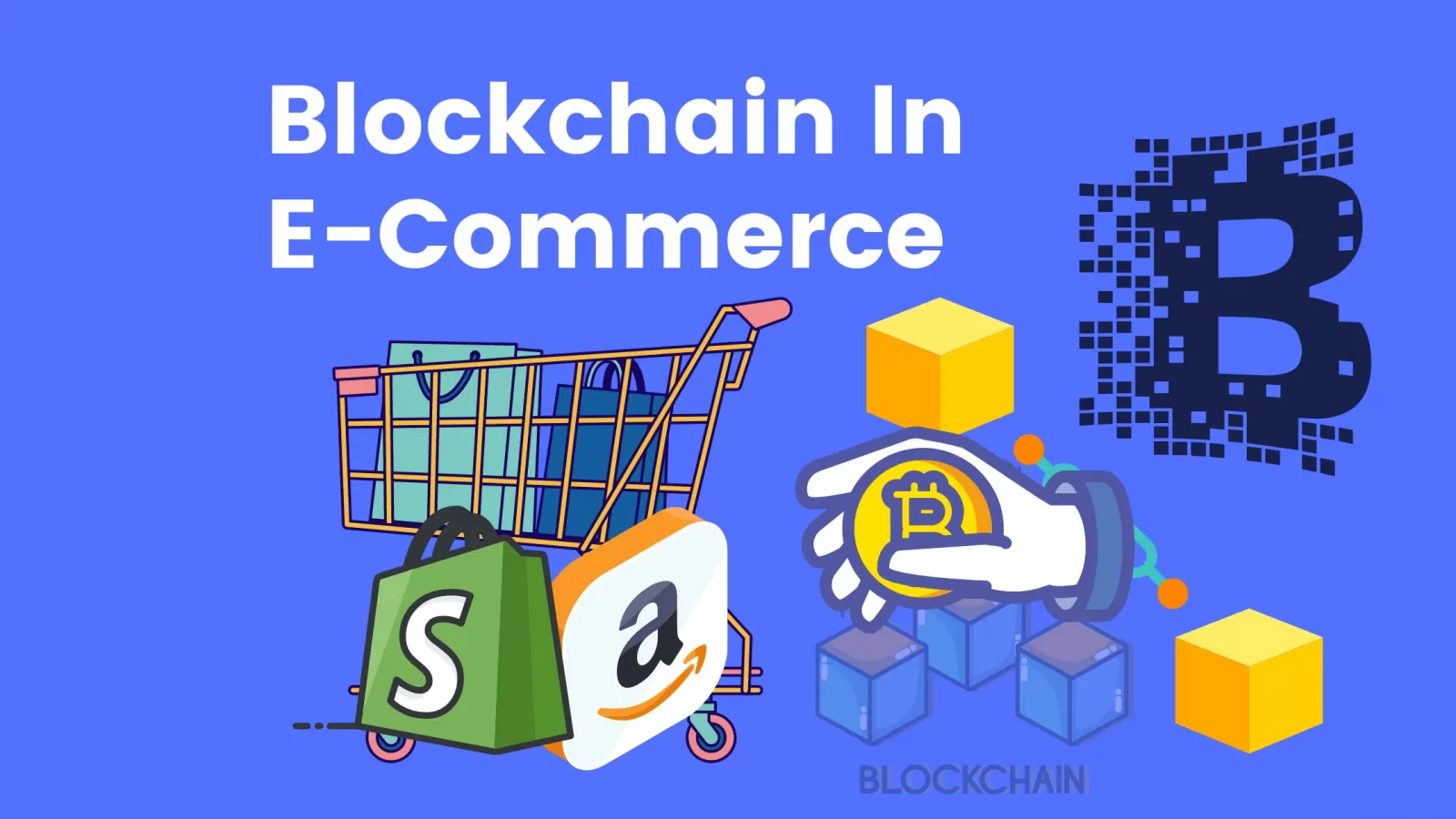
The Future of Ecommerce Integration: Leveraging Blockchain Mining

The Future of Ecommerce Integration: Leveraging Blockchain Mining

Ecommerce has become a vital aspect of modern-day business operations.

The rise of online transactions and the proliferation of mobile devices have transformed the way businesses interact with their customers.

As a result, ecommerce businesses are increasingly looking for innovative ways to stay ahead of the competition. One such innovation is blockchain technology, which is poised to revolutionize ecommerce integration.

Blockchain technology is essentially a decentralized, distributed ledger that can be used to store and manage transactions securely. It offers a transparent and tamper-proof record of all transactions, making it ideal for ecommerce businesses looking to enhance the security and transparency of their operations.

One of the key advantages of blockchain technology is its ability to facilitate mining. Mining involves solving complex mathematical equations to validate transactions on the blockchain network. This process helps to ensure the integrity of the blockchain and prevent fraud or other malicious activities.

For ecommerce businesses, blockchain mining can be leveraged to improve their operations in a number of ways. First, it can help to improve the speed and efficiency of transactions. By using blockchain technology, transactions can be processed faster and more securely than traditional payment methods.

Secondly, blockchain mining can help to reduce the cost of transactions. Because blockchain technology eliminates the need for intermediaries, such as banks or payment processors, the cost of transactions can be significantly reduced. This can be a significant advantage for ecommerce businesses, particularly startups that are looking to minimize their overheads.

Thirdly, blockchain mining can help to enhance the security and transparency of ecommerce transactions. Because blockchain technology offers a tamper-proof record of all transactions, it can help to prevent fraud or other malicious activities. This can be particularly important for ecommerce businesses that are dealing with sensitive customer data, such as credit card information.

To take advantage of these benefits, ecommerce businesses need to start thinking about how they can integrate blockchain technology into their operations. One way to do this is by leveraging free learning platforms and online courses that provide insights into blockchain technology and its applications.

For example, Ecommerce Guru can access free ecommerce courses that cover the basics of blockchain technology and its potential applications. They can also explore free SEO courses that help to improve the visibility and ranking of their ecommerce businesses. Trending online courses that cover blockchain mining and its integration into ecommerce operations are also available, which can help to stay ahead of the competition.

Revolutionizing Ecommerce Transactions: The Advantages of Blockchain Mining Integration

The future of ecommerce integration lies in the utilization of blockchain technology and its potential to revolutionize the way transactions are processed. Blockchain mining, which involves solving complex mathematical equations to validate transactions on the blockchain network, offers several benefits to ecommerce businesses. It can improve the speed and efficiency of transactions, reduce the cost of transactions, and enhance the security and transparency of ecommerce operations. By leveraging blockchain mining, ecommerce businesses can stay ahead of the competition and provide a better customer experience.

Online learning platforms are ideal for startups and established ecommerce businesses that are looking to enhance their knowledge of blockchain technology and its potential applications. These platforms offer a flexible and convenient way to learn at your own pace and on your own schedule.


The future of ecommerce integration is likely to be heavily influenced by blockchain technology and its potential applications. By leveraging blockchain mining, ecommerce businesses can improve the speed, efficiency, and security of their operations, while also reducing the cost of transactions.

Conclusion:

To take advantage of these benefits, ecommerce gurus should consider exploring free learning platforms and online courses that cover blockchain technology and its integration into ecommerce operations.

Created by

Yashraj Gautam

Digital Marketer and Sr. Project Leader

View profile

Comments (0)

Search
Popular categories
Latest blogs
The Power of Email Marketing in eCommerce
Unveiling the Email Advantage: How E-commerce Thrives on Targeted CommunicationIn the dynamic world of e-commerce, where competition thrives and attention spans shrink, establishing a strong connection with your customers is paramount. This is where email marketing emerges as a powerful tool, a secret weapon in your arsenal.Unlike fleeting social media posts or impersonal ads, email marketing fosters a direct line of communication with your audience. It allows you to nurture leads, convert browsers into buyers, and cultivate brand loyalty – all at a remarkably low cost.Here's how email marketing fuels the success of e-commerce businesses:Targeted Communication: Email lists allow for segmentation, enabling you to tailor messages to specific customer interests and purchase behaviors. Imagine sending discount codes on athletic wear to gym enthusiasts or promoting new arrivals to recent buyers. This personalization fosters relevance and significantly boosts engagement.Building Relationships: Effective email marketing goes beyond promotions. Share valuable content, industry insights, or behind-the-scenes glimpses into your brand. This humanizes your business, builds trust, and positions you as an authority in your niche.Rekindling Interest: Let's face it, shopping carts get abandoned. Reconnect with potential customers who left items behind with strategically timed reminder emails. Showcase complementary products or offer incentives to complete their purchase.Driving Sales: Targeted promotions, exclusive offers, and flash sales delivered straight to inboxes can significantly boost conversion rates. Announce new product launches or highlight seasonal collections to drive traffic to your website.Customer Retention: Don't underestimate the power of a well-timed "We miss you!" email. Re-engage past customers with personalized recommendations or exclusive loyalty program benefits. This rekindles interest and encourages repeat purchases.Measurable Results: Unlike traditional marketing channels, email marketing offers a wealth of data. Track open rates, click-throughs, and conversion rates to understand what resonates with your audience. Use this data to refine your strategy and maximize your return on investment (ROI).Unleashing the Power of Email MarketingNow that you understand the potential, here are some practical tips to get you started:Build Your List: Offer incentives like discounts or early access to new products in exchange for email signups.Segment Your Audience: Group subscribers based on interests, demographics, or purchase history for targeted communication.Craft Compelling Content: Prioritize clear, concise emails with captivating subject lines to pique curiosity and encourage opens.Design Matters: Invest in visually appealing email templates that showcase your brand and products effectively.Maintain Consistency: Develop an email schedule that keeps your brand at the forefront of your customers' minds without overwhelming them.Prioritize Mobile Optimization: Ensure your emails render flawlessly on all devices, as a significant portion of emails are opened on smartphones.By embracing email marketing, you unlock a powerful tool to nurture customer relationships, drive sales, and cultivate brand loyalty in the competitive world of e-commerce. So, put these strategies into action and watch your online store flourish!

Fri, 15 Mar 2024

Tips for Optimizing Product Pages for Conversions
Turn Window Shoppers into Buyers: 5 Conversion-Boosting Product Page TipsIn the world of e-commerce, your product page is the digital salesperson closing the deal. It's where indecision turns into clicks, and browsers become buyers. But with so much competition, how do you make sure your product pages are optimized for maximum conversion?Here are 5 key tips to turn those window shoppers into loyal customers:1. Content that Converts: Craft Compelling CopyThink of your product page copy as a conversation with a potential customer. Answer their questions, address their pain points, and most importantly, highlight the benefits your product offers.Focus on benefits, not features. Don't just list technical specifications; explain how those features translate into a better experience for the customer.Use clear and concise language. Avoid jargon and technical terms that might confuse your audience.Write in an engaging and informative style. Infuse your copy with personality and enthusiasm for your product.2. Show, Don't Tell: High-Quality Product ImagesIn the absence of a physical store, high-quality images are essential for building trust and showcasing your product. Here's what to keep in mind:Multiple angles and close-ups. Give viewers a 360-degree view of the product.Professional lighting and clear backgrounds. Let the product be the star of the show.Showcase the product in use. Lifestyle images can help customers envision themselves using and enjoying the product.Consider adding product videos. Videos can provide even more detailed information and engagement.3. Build Trust and Credibility: Social Proof is KingPeople are more likely to buy from a brand they trust. Social proof elements like customer reviews, ratings, and testimonials can significantly increase conversions.Display genuine customer reviews. Both positive and negative reviews (addressed appropriately) show authenticity.Feature user-generated content (UGC). Showcase photos and videos from real customers using your product on social media.Include trust signals. Logos from secure payment processors, money-back guarantees, and return policies can alleviate buyer concerns.4. Make the Purchase Seamless: Streamline User ExperienceA smooth user experience is key to avoiding cart abandonment. Here's how to optimize your product pages for easy buying:Clear call to action (CTA) buttons. Make it clear what you want visitors to do (e.g., "Add to Cart" or "Buy Now").Mobile-friendly design. A significant portion of online shopping happens on mobile devices. Ensure your product pages are responsive and easy to navigate on all screen sizes.Multiple payment options. Offer a variety of secure payment methods to cater to different customer preferences.5. A/B Test and Refine: Continuous ImprovementThe best product page optimization strategies are data-driven. Utilize A/B testing to compare different versions of your pages and see what resonates best with your audience.Test headlines, CTAs, image variations, and product descriptions.Track key metrics like conversion rates, click-through rates, and bounce rates.Continuously refine your product pages based on the data you collect.By implementing these tips and staying data-driven, you can transform your product pages into conversion powerhouses, turning curious clicks into satisfied customers. Remember, a well-optimized product page isn't just about aesthetics; it's about creating a clear path to purchase and a positive customer experience.

Thu, 14 Mar 2024

Mastering SEO for eCommerce Websites
Mastering the Art of eCommerce SEO: Attract, Engage, ConvertIn the ever-crowded world of online shopping, where discovery is key, mastering SEO (Search Engine Optimization) for your eCommerce website is no longer a luxury - it's a necessity. It's the secret weapon that propels your store to the forefront, attracting potential customers actively searching for what you offer. But how do you go from SEO novice to eCommerce guru? Here's a roadmap to get you started:1. Keyword Magic: Unlocking Buyer IntentThe foundation of any SEO strategy is keyword research. Here, we delve into the minds of your target audience and identify the terms they use to find products like yours. Think beyond just product names and explore informational keywords. Someone searching for "hiking boots buying guide" is likely on the path to a purchase. Tools like Google Keyword Planner or Ahrefs can be goldmines in this process. Aim for a mix of high-volume, low-competition keywords and long-tail keywords with laser focus.2. Content is King (and Queen):Informational content is your gateway to attracting potential customers. Create a blog that addresses common pain points and buying considerations related to your products. Educate, inspire, and establish yourself as a thought leader in your niche. Don't be afraid to weave in product recommendations strategically, but prioritize value over blatant sales pitches.3. Product Page Optimization: Speak the Search Engine LanguageThis is where SEO and user experience become best friends. Optimize your product pages with targeted keywords in titles, descriptions, and URLs. Craft compelling product descriptions that are informative and engaging for both users and search engines. High-quality images and videos showcasing your products from every angle are crucial. Don't forget schema markup, which acts as rich snippets, providing Google with valuable data about your products, leading to potentially richer search results.4. User-Friendly Navigation: A Frictionless JourneyImagine a maze with dead ends and hidden passages - that's what a poorly structured website feels like. Your site needs to be intuitive and easy to navigate. Organize products into clear categories and subcategories. Implement faceted navigation filters that allow users to refine their searches effortlessly. A mobile-responsive design is no longer optional - it's essential in today's mobile-first world.5. Link Building: The Credibility CurrencyQuality backlinks from reputable websites act as votes of confidence for your store in the eyes of search engines. Earning backlinks organically takes time and effort, but you can jumpstart the process by creating high-value content that others want to link to. Guest blogging on relevant industry websites, creating infographics, and participating in online communities are all great ways to build links.Remember, SEO is a marathon, not a sprint.  Be patient, consistent, and data-driven in your approach. Regularly monitor your website's analytics to see what's working and what needs tweaking. Embrace the ever-evolving SEO landscape and stay updated on the latest trends. By mastering these SEO fundamentals, you'll be well on your way to attracting a loyal customer base and achieving long-term success for your eCommerce website.

Wed, 13 Mar 2024

All blogs