Published - Fri, 09 Jun 2023
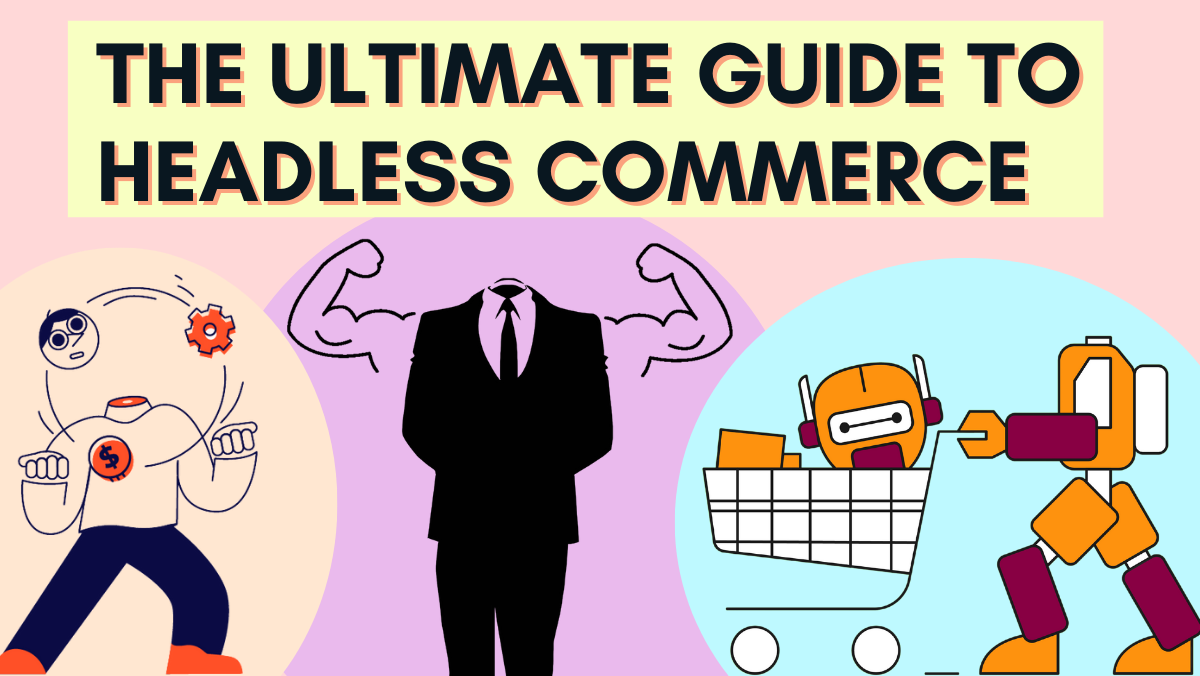
The Ultimate Guide To Headless Commerce
The world of eCommerce is evolving rapidly, or you can even say that it has lost its head.
The customers are getting used to consuming content and making purchases through various technologies ranging from IoT devices to progressive web apps. The legacy ecommerce platforms are struggling to meet the demands of the customer.
Consumers are getting new ways like Amazon Dash buttons, smart voice assistants, and in-store interfaces to explore product information, read reviews, and place orders. In general, we can say consumers are adopting the IoT era, even if most retailers have not adopted it yet.
Ecommerce brands moving with this trend are reaping the rewards, while others are scratching their heads. So, are you wondering how you can get in on the action without inventing an IoT device or building back-end solutions from scratch?
The answer to your question is a headless commerce platform. Let’s see what it is.
What Is Headless Commerce?
A headless commerce platform is an ecommerce solution that stores manage and deliver content without needing a front-end delivery layer. In its most accessible term, we can say headless commerce service is a separation of the front end and back end of an ecommerce application. Its architecture offers brands freedom of expression to build their business strategy. Most importantly, it allows brands to modify the customer experience.
Let’s take a closer look at some of the benefits of headless commerce.
Top Benefits Of Headless Commerce
Headless commerce service is typically for more giant enterprises with more extensive development and IT teams. Many businesses often have months-long development queues and ambitious creative and marketing teams eager to rapidly test new designs, copy, and templates on the front end. So, these forced brands need to embrace innovation like never before. Every period of developer time is essential, as speed in the market is often tied to an increase in cash flow.
Hence, if you are thinking of switching to a headless commerce platform, the four most significant benefits of headless commerce can accelerate your business.
- It can provide better employee adoption as some organizations are hesitant to use new technologies due to steep learning curves. Having a modern commerce platform and the modesty of a headless commerce service will solve this issue because each team member can easily access and update the front end without advanced skills.
- Headless commerce platform gives brands the right tools to build customized experiences for their shoppers. The APIs ensure coordinated, brand-consistent experiences across channels by providing services such as promotions, inventory, product information, etc.
- It ensures time-saving changes to the front-end developers. Any developer who uses headless commerce platform templates and partner solutions only needs a few clicks to jumpstart commerce apps that increase conversion.
- The architecture of headless commerce quickly helps businesses launch new front-end experiences with a minimum of costly back-end development.
These are some reasons why companies are interested in improving their user experience, as headless commerce systems can help them deliver even better customer satisfaction rates.
How Do You Get Started With Headless Commerce?
It is a fact that more than half of the developers are not designers, or we can say most designers are not developers. Headless commerce platforms provide APIs and tools for developers to build experiences across channels based on a single view of data.
On the other hand, creative teams focus on optimising the user experience and interface to improve customer engagement and conversions.
Conclusion
A headless commerce system passes requests between the presentation and application layers through web services or application programming interface (API) calls.
For example, when the user clicks an “Add To Cart” button on their smartphone, the presentation layer of the headless ecommerce system sends an API call to the application layer to add the product to the cart. The application layer sends another API call to the application layer to show the customer the status of the cart page.
Hence, this architecture of headless commerce brings customised experiences for their shoppers and also helps businesses improve their customer services to meet the requirement of the sales.
Created by

Comments (0)
Search
Popular categories
Ecommerce Trends
239Business
54Marketing
37Website
23Social Media
22Courses
21Latest blogs

The Power of Email Marketing in eCommerce
Fri, 15 Mar 2024
Tips for Optimizing Product Pages for Conversions
Thu, 14 Mar 2024
Mastering SEO for eCommerce Websites
Wed, 13 Mar 2024
Write a public review