Published - Fri, 09 Jun 2023
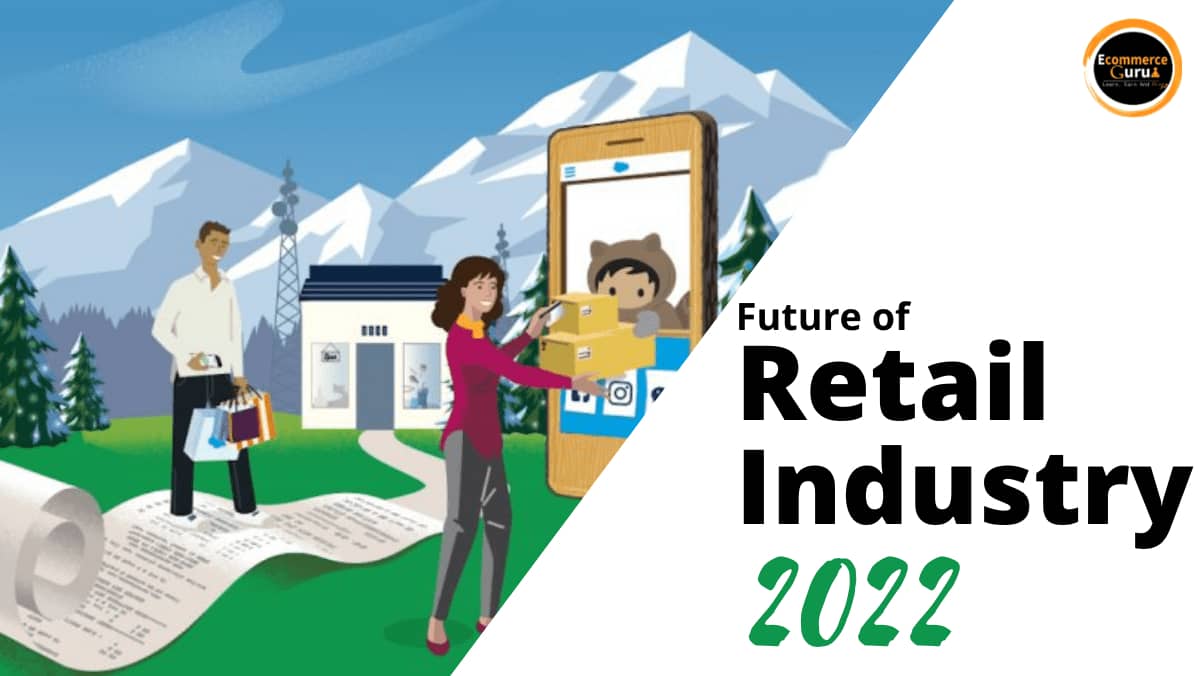
What is the Future of Retail Industry in 2022?

What is the Future of Retail Industry in 2022?

The retail industry is in the midst of a significant change when the exponential growth of e-commerce, new technology, and ubiquitous shopping opportunities is on the rise. 

Yes, the retail industry is changing rapidly with unprecedented advances, and when something grows big, it requires a considerable amount of focus; similar to the retail industry in India.

“But as we all know that the COVID pandemic has undoubtedly affected almost every industry, the retail industry is the worst hit. Being restricted from physically opening all stores, the volume of investment in the retail businesses has also reduced.”

Is the retail industry falling towards the dark future, or will it overcome and grow even further than before?

Well, it is a vast and unpredictable thing to do. But we have made our efforts to give you a precise overview of the retail industry’s future. In this article, a few points will be kept in consideration for you, even if you are a seller or a shopper. 

Evolution Of Retail Industry 

The growth of the retail sector has been the changing way of shopping over the years. The retail industry is undergoing massive changes across the globe, with new consumers’ shopping habits and technology developments having a significant impact on physical stores. But this is just a current facade of the recent retail industry, which is certainly not enough to understand the future challenges or opportunities of the retail industry in India.

Let’s dive deep into the topic.

How Was The Retail Sector Previously Used To Be?

Buying and selling is not a new thing; this process has been going on since the existence of humankind. To trace the entire history of retail trade, or as it was earlier called the sell-buy process, we should know when buyer and seller had to use barter systems (exchange of goods to buy desired goods). It sometimes led to the indivisibility of certain goods, difficulty in storing value, or lack of a standard measure of value.

Present & Future With Some Interesting Figures

The retail industry shares a global market value of approximately $23,000 billion in 2022, rising with an annual compound rate of 2.4% since 2015. Moreover, it is expected to grow at a sustainable growth rate of 7.7% and might reach $30,000 billion in 2021-2026. With the current growth of the ecommerce industry, the pioneers are expecting the retail industry in India and global collectively to pass the target of $40,000 billion in 2030 with a collective growth rate of 6.4%. 

But Will These Figures Remain The Same?

We should not overshadow the volatility of the market according to future scenarios, and especially we must be a little cautious after living in this ongoing pandemic. 

Everyone talks about the impact of the pandemic on the retail industry. How exactly is it affecting? 

This is not the first time the world has been going through adversity like the covid pandemic. We have faced many pandemics or epidemics in the past like “The Black Death” or “The Bubonic Plague,” Cholera, Spanish Flu, Smallpox, Polio, and so on. But the scale of the blow for the retail sector we are experiencing this time is entirely incomparable. 

Is Pandemic Responsible For Shifting The Retail Industry’s Future With A Modern-Day Approach? 

No, not completely, because more than 45% of the world’s population has already switched to advanced means and methods. 15-20% of people were interested in opting for the internet for their daily routine needs; only a small section of the population felt hesitant in using the e-options.

The way the pandemic has engulfed the e-commerce industry is unprecedented. The enormous impact of the pandemic has imbibed more people to try and use modern-day methods.

You must have gained a brief understanding of the past and present conditions of the retail industry meaning. Let’s view what professional industry experts have predicted for the retail industries’ future, along with some quick tips for sellers and buyers:

A Great Level Of Online Penetration

Due to a lack of audience involvement in the offline retail industry, sellers will opt to shift their operations to online mode. This is because offline methods are expensive, whenever they want to advertise on television, radio, print media, or billboards, all these will cost them dearly. So it might not be a good deal to pursue this in the future.

Sellers with physical stores will find it more convenient and beneficial to operate with their new e-stores rather than the traditional ones.

Importance Of Partnerships

The retail industry meaning is vast as it also includes retail partnership is basically a collaboration between two parties, each depending on the resource and user base of the others to generate or increase its revenue. It is imperative to innovate regularly and bang on the following available opportunities.

Going into the partnership is like a win-win situation for the retail business. It requires limited resources from a single person, but make sure you choose a reliable partner.

More Emphasis on Customer Experience

As we move towards the ultra-modern era of Internet business, it is clear that customers’ expectations from their brands are also increasing. Negative or positive reviews undoubtedly affect a business in the long run.

Getting the best customer experience is one of the hardest things, but your delivery capabilities can improve with continued efforts and focus.

Social Media Will Play A Huge Role

Reaching and attracting different audiences for your brand can be done effectively only with the help of social media platforms, as more platforms are emerging as a part of marketing for many businesses. Thus, it is believed that social media platforms for retail businesses will multiply.

Choosing the right social networking site can always be difficult, so never be lazy while selecting a reliable social media medium.

Let’s Wrap Up

Arguably, the growth of the retail sector across the globe is mainly influenced by the effects of various key factors such as diversification, globalization, innovation, and expansion. All these factors still have the same importance. Still, the way pandemics or other unfortunate events prevail has completely changed experts’ perception of the retail industry’s future.
We believe that we have provided you with extensive knowledge and current Indian retail industry analysis 2022 with future predictions and professional tips.

Created by

Yashraj Gautam

Digital Marketer and Sr. Project Leader

View profile

Comments (0)

Search
Popular categories
Latest blogs
The Power of Email Marketing in eCommerce
Unveiling the Email Advantage: How E-commerce Thrives on Targeted CommunicationIn the dynamic world of e-commerce, where competition thrives and attention spans shrink, establishing a strong connection with your customers is paramount. This is where email marketing emerges as a powerful tool, a secret weapon in your arsenal.Unlike fleeting social media posts or impersonal ads, email marketing fosters a direct line of communication with your audience. It allows you to nurture leads, convert browsers into buyers, and cultivate brand loyalty – all at a remarkably low cost.Here's how email marketing fuels the success of e-commerce businesses:Targeted Communication: Email lists allow for segmentation, enabling you to tailor messages to specific customer interests and purchase behaviors. Imagine sending discount codes on athletic wear to gym enthusiasts or promoting new arrivals to recent buyers. This personalization fosters relevance and significantly boosts engagement.Building Relationships: Effective email marketing goes beyond promotions. Share valuable content, industry insights, or behind-the-scenes glimpses into your brand. This humanizes your business, builds trust, and positions you as an authority in your niche.Rekindling Interest: Let's face it, shopping carts get abandoned. Reconnect with potential customers who left items behind with strategically timed reminder emails. Showcase complementary products or offer incentives to complete their purchase.Driving Sales: Targeted promotions, exclusive offers, and flash sales delivered straight to inboxes can significantly boost conversion rates. Announce new product launches or highlight seasonal collections to drive traffic to your website.Customer Retention: Don't underestimate the power of a well-timed "We miss you!" email. Re-engage past customers with personalized recommendations or exclusive loyalty program benefits. This rekindles interest and encourages repeat purchases.Measurable Results: Unlike traditional marketing channels, email marketing offers a wealth of data. Track open rates, click-throughs, and conversion rates to understand what resonates with your audience. Use this data to refine your strategy and maximize your return on investment (ROI).Unleashing the Power of Email MarketingNow that you understand the potential, here are some practical tips to get you started:Build Your List: Offer incentives like discounts or early access to new products in exchange for email signups.Segment Your Audience: Group subscribers based on interests, demographics, or purchase history for targeted communication.Craft Compelling Content: Prioritize clear, concise emails with captivating subject lines to pique curiosity and encourage opens.Design Matters: Invest in visually appealing email templates that showcase your brand and products effectively.Maintain Consistency: Develop an email schedule that keeps your brand at the forefront of your customers' minds without overwhelming them.Prioritize Mobile Optimization: Ensure your emails render flawlessly on all devices, as a significant portion of emails are opened on smartphones.By embracing email marketing, you unlock a powerful tool to nurture customer relationships, drive sales, and cultivate brand loyalty in the competitive world of e-commerce. So, put these strategies into action and watch your online store flourish!

Fri, 15 Mar 2024

Tips for Optimizing Product Pages for Conversions
Turn Window Shoppers into Buyers: 5 Conversion-Boosting Product Page TipsIn the world of e-commerce, your product page is the digital salesperson closing the deal. It's where indecision turns into clicks, and browsers become buyers. But with so much competition, how do you make sure your product pages are optimized for maximum conversion?Here are 5 key tips to turn those window shoppers into loyal customers:1. Content that Converts: Craft Compelling CopyThink of your product page copy as a conversation with a potential customer. Answer their questions, address their pain points, and most importantly, highlight the benefits your product offers.Focus on benefits, not features. Don't just list technical specifications; explain how those features translate into a better experience for the customer.Use clear and concise language. Avoid jargon and technical terms that might confuse your audience.Write in an engaging and informative style. Infuse your copy with personality and enthusiasm for your product.2. Show, Don't Tell: High-Quality Product ImagesIn the absence of a physical store, high-quality images are essential for building trust and showcasing your product. Here's what to keep in mind:Multiple angles and close-ups. Give viewers a 360-degree view of the product.Professional lighting and clear backgrounds. Let the product be the star of the show.Showcase the product in use. Lifestyle images can help customers envision themselves using and enjoying the product.Consider adding product videos. Videos can provide even more detailed information and engagement.3. Build Trust and Credibility: Social Proof is KingPeople are more likely to buy from a brand they trust. Social proof elements like customer reviews, ratings, and testimonials can significantly increase conversions.Display genuine customer reviews. Both positive and negative reviews (addressed appropriately) show authenticity.Feature user-generated content (UGC). Showcase photos and videos from real customers using your product on social media.Include trust signals. Logos from secure payment processors, money-back guarantees, and return policies can alleviate buyer concerns.4. Make the Purchase Seamless: Streamline User ExperienceA smooth user experience is key to avoiding cart abandonment. Here's how to optimize your product pages for easy buying:Clear call to action (CTA) buttons. Make it clear what you want visitors to do (e.g., "Add to Cart" or "Buy Now").Mobile-friendly design. A significant portion of online shopping happens on mobile devices. Ensure your product pages are responsive and easy to navigate on all screen sizes.Multiple payment options. Offer a variety of secure payment methods to cater to different customer preferences.5. A/B Test and Refine: Continuous ImprovementThe best product page optimization strategies are data-driven. Utilize A/B testing to compare different versions of your pages and see what resonates best with your audience.Test headlines, CTAs, image variations, and product descriptions.Track key metrics like conversion rates, click-through rates, and bounce rates.Continuously refine your product pages based on the data you collect.By implementing these tips and staying data-driven, you can transform your product pages into conversion powerhouses, turning curious clicks into satisfied customers. Remember, a well-optimized product page isn't just about aesthetics; it's about creating a clear path to purchase and a positive customer experience.

Thu, 14 Mar 2024

Mastering SEO for eCommerce Websites
Mastering the Art of eCommerce SEO: Attract, Engage, ConvertIn the ever-crowded world of online shopping, where discovery is key, mastering SEO (Search Engine Optimization) for your eCommerce website is no longer a luxury - it's a necessity. It's the secret weapon that propels your store to the forefront, attracting potential customers actively searching for what you offer. But how do you go from SEO novice to eCommerce guru? Here's a roadmap to get you started:1. Keyword Magic: Unlocking Buyer IntentThe foundation of any SEO strategy is keyword research. Here, we delve into the minds of your target audience and identify the terms they use to find products like yours. Think beyond just product names and explore informational keywords. Someone searching for "hiking boots buying guide" is likely on the path to a purchase. Tools like Google Keyword Planner or Ahrefs can be goldmines in this process. Aim for a mix of high-volume, low-competition keywords and long-tail keywords with laser focus.2. Content is King (and Queen):Informational content is your gateway to attracting potential customers. Create a blog that addresses common pain points and buying considerations related to your products. Educate, inspire, and establish yourself as a thought leader in your niche. Don't be afraid to weave in product recommendations strategically, but prioritize value over blatant sales pitches.3. Product Page Optimization: Speak the Search Engine LanguageThis is where SEO and user experience become best friends. Optimize your product pages with targeted keywords in titles, descriptions, and URLs. Craft compelling product descriptions that are informative and engaging for both users and search engines. High-quality images and videos showcasing your products from every angle are crucial. Don't forget schema markup, which acts as rich snippets, providing Google with valuable data about your products, leading to potentially richer search results.4. User-Friendly Navigation: A Frictionless JourneyImagine a maze with dead ends and hidden passages - that's what a poorly structured website feels like. Your site needs to be intuitive and easy to navigate. Organize products into clear categories and subcategories. Implement faceted navigation filters that allow users to refine their searches effortlessly. A mobile-responsive design is no longer optional - it's essential in today's mobile-first world.5. Link Building: The Credibility CurrencyQuality backlinks from reputable websites act as votes of confidence for your store in the eyes of search engines. Earning backlinks organically takes time and effort, but you can jumpstart the process by creating high-value content that others want to link to. Guest blogging on relevant industry websites, creating infographics, and participating in online communities are all great ways to build links.Remember, SEO is a marathon, not a sprint.  Be patient, consistent, and data-driven in your approach. Regularly monitor your website's analytics to see what's working and what needs tweaking. Embrace the ever-evolving SEO landscape and stay updated on the latest trends. By mastering these SEO fundamentals, you'll be well on your way to attracting a loyal customer base and achieving long-term success for your eCommerce website.

Wed, 13 Mar 2024

All blogs