Created by - Yashraj Gautam
"10 Essential Skills to Master for a Successful Career in Digital Marketing"
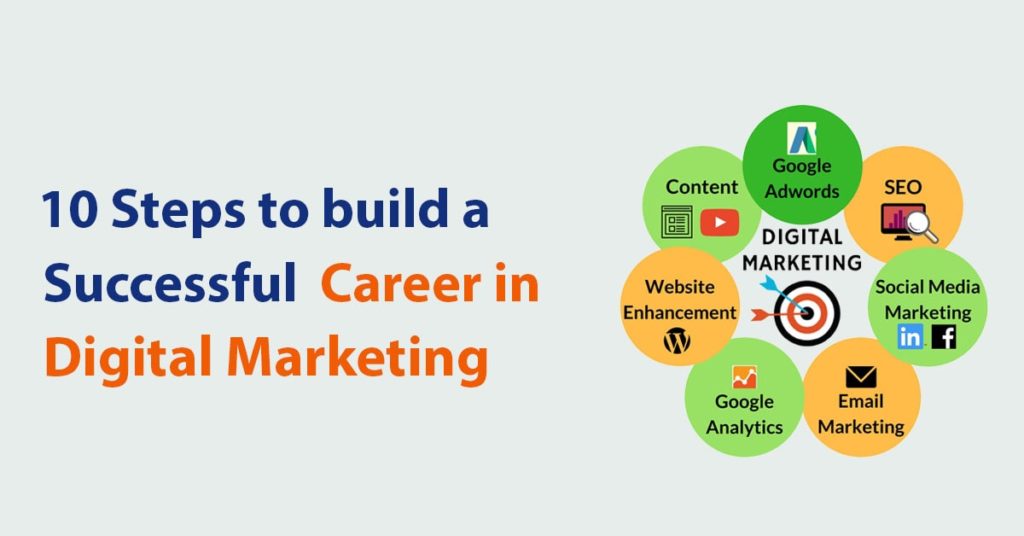
In today's digital age, the field of marketing has witnessed a significant shift towards online platforms. Digital marketing has become an indispensable tool for businesses, including eCommerce ventures and startups, to reach their target audience effectively. To thrive in this ever-evolving industry, it is crucial to acquire and master a range of essential skills. Thankfully, there are numerous free learning platforms and online courses available to help you develop these skills. In this blog, we will explore the ten essential skills you need to master for a successful career in digital marketing.Understanding the Basics of Digital Marketing:Begin by gaining a solid foundation in digital marketing concepts. Familiarize yourself with terms such as SEO, PPC, content marketing, social media marketing, email marketing, and analytics. Free online courses on platforms like Coursera, Udemy, and HubSpot Academy can help you grasp the fundamentals.Content Creation and Copywriting:The ability to create compelling and engaging content is a crucial skill in digital marketing. Learn to write persuasive copy, create engaging blog posts, craft effective emails, and produce engaging social media content. Websites like Copy blogger and Content Marketing Institute offer valuable resources to enhance your writing skills.Search Engine Optimization (SEO):A free SEO course can significantly boost your career prospects. Understand the principles of on-page and off-page SEO, keyword research, link building, and website optimization techniques. Stay up-to-date with the latest SEO trends and algorithm updates to ensure maximum visibility for websites and online content.Data Analytics and Interpretation:Digital marketers need to be comfortable working with data. Learn to interpret analytics tools like Google Analytics to track website performance, analyze user behavior, and measure campaign success. Platforms like Google Analytics Academy provide free online courses to help you develop these skills.Social Media Marketing:Harness the power of social media platforms to connect with your target audience. Familiarize yourself with various social media channels, understand their algorithms, and learn to create effective social media strategies. Free resources like Hootsuite's Social Media Marketing Certification course can provide valuable insights.Pay-Per-Click (PPC) Advertising:Master the art of PPC advertising, which involves creating and managing online advertising campaigns. Platforms like Google Ads and Facebook Ads provide free resources and certifications to help you become proficient in this field. Gain expertise in keyword research, ad targeting, bid management, and conversion tracking.Email Marketing:Learn to craft compelling email campaigns to engage customers and drive conversions. Understand email marketing automation, segmentation, A/B testing, and performance tracking. Platforms like MailChimp and HubSpot offer free resources to enhance your email marketing skills.Conversion Rate Optimization (CRO):Optimizing conversion rates is essential for eCommerce businesses. Learn the principles of CRO, including A/B testing, user experience (UX) design, landing page optimization, and persuasive copywriting. Websites like Conversion XL and Optimize provide valuable insights and resources on CRO techniques.Mobile Marketing:With the rise of smartphones, mobile marketing has become a vital component of digital strategies. Understand mobile advertising, responsive web design, app marketing, and location-based marketing. Keep up with industry trends and leverage platforms like Google Mobile Ads to stay ahead.Continuous Learning and Adaptability:The digital marketing landscape is constantly evolving. Develop a growth mindset, embrace change, and remain open to learning new skills and techniques. Stay updated with industry news, follow influential digital marketers, and participate in online communities to stay ahead of the curve.Conclusion:Mastering these ten essential skills will pave the way for a successful career in digital marketing. The availability of free learning platforms and online courses makes it easier than ever to acquire these skills.
More detailsPublished - Thu, 15 Jun 2023
Created by - Yashraj Gautam
"The Benefits of Learning a Second Language and How to Get Started"
In today's interconnected world, the ability to speak multiple languages is a valuable skill that offers numerous benefits. Not only does learning a second language enhance communication abilities, but it also provides cognitive advantages, expands cultural understanding, and opens up new opportunities. In this blog post, we will explore the benefits of learning a second language and provide you with guidance on how to get started. Additionally, we will introduce some free online learning platforms that offer courses on various topics, including e-commerce and SEO.Cognitive AdvantagesNumerous studies have shown that learning a second language improves cognitive function and enhances brain development. It stimulates areas of the brain associated with memory, problem-solving, and multitasking. Bilingual individuals tend to have better attention spans, improved decision-making skills, and enhanced creativity. These cognitive benefits extend beyond language-related tasks and can positively impact various aspects of life.Improved Communication SkillsOne of the most obvious advantages of learning a second language is the ability to communicate with a wider range of people. Whether you're traveling to a foreign country or interacting with multicultural communities in your own city, being able to speak their language fosters deeper connections and understanding. Learning a second language also hones your listening skills, making you a more attentive and effective communicator in your native language as well.Cultural Understanding and EmpathyLanguage and culture are deeply intertwined. Learning a second language provides insights into different cultures, traditions, and perspectives. It allows you to appreciate diverse cultural nuances and communicate with people from various backgrounds on a deeper level. This increased cultural understanding fosters empathy, tolerance, and the ability to adapt to new situations—a crucial skill in our globalized society.Professional OpportunitiesIn an increasingly competitive job market, having proficiency in a second language can give you a significant advantage. Many international companies seek employees who can communicate with clients and colleagues from different countries. Learning a second language makes you a valuable asset in sectors such as tourism, hospitality, international business, diplomacy, and translation services. It broadens your professional network and can open doors to exciting career prospects.Getting Started with Learning a Second LanguageNow that we've explored the benefits of learning a second language, let's discuss how to embark on this enriching journey.Set Clear Goals: Determine why you want to learn a second language. Are you motivated by personal interest, career opportunities, or travel plans? Setting specific goals will help you stay focused and motivated throughout the learning process.Choose the Right Language: Select a language that aligns with your interests and goals. Consider the language's relevance to your personal or professional life, the availability of learning resources, and the cultural exposure it offers.Find a Free Online Learning Platform: There are numerous online platforms that offer free language courses for beginners. Some popular options include Duolingo, Babbel, and Memrise. These platforms provide interactive lessons, quizzes, and gamified learning experiences to make the process enjoyable and engaging.Immerse Yourself in the Language: Seek opportunities to practice the language outside of the learning platform. Watch movies or TV shows in the target language, listen to podcasts, engage with native speakers through language exchange platforms, or join local language meetups.Stay Consistent and Practice Regularly: Learning a language requires regular practice. Dedicate a specific time each day or week to study and reinforce what you've learned. Consistency is key to making progress and retaining knowledge.Conclusion:Learning a second language offers a wide range of benefits, from cognitive advantages to enhanced communication skills and cultural understanding. It expands your horizons and opens up new personal and professional opportunities. With the availability of free online learning platforms, getting started on your language
More detailsPublished - Thu, 15 Jun 2023
Created by - Jessica M.
Mastering SEO for eCommerce Websites
Mastering the Art of eCommerce SEO: Attract, Engage, ConvertIn the ever-crowded world of online shopping, where discovery is key, mastering SEO (Search Engine Optimization) for your eCommerce website is no longer a luxury - it's a necessity. It's the secret weapon that propels your store to the forefront, attracting potential customers actively searching for what you offer. But how do you go from SEO novice to eCommerce guru? Here's a roadmap to get you started:1. Keyword Magic: Unlocking Buyer IntentThe foundation of any SEO strategy is keyword research. Here, we delve into the minds of your target audience and identify the terms they use to find products like yours. Think beyond just product names and explore informational keywords. Someone searching for "hiking boots buying guide" is likely on the path to a purchase. Tools like Google Keyword Planner or Ahrefs can be goldmines in this process. Aim for a mix of high-volume, low-competition keywords and long-tail keywords with laser focus.2. Content is King (and Queen):Informational content is your gateway to attracting potential customers. Create a blog that addresses common pain points and buying considerations related to your products. Educate, inspire, and establish yourself as a thought leader in your niche. Don't be afraid to weave in product recommendations strategically, but prioritize value over blatant sales pitches.3. Product Page Optimization: Speak the Search Engine LanguageThis is where SEO and user experience become best friends. Optimize your product pages with targeted keywords in titles, descriptions, and URLs. Craft compelling product descriptions that are informative and engaging for both users and search engines. High-quality images and videos showcasing your products from every angle are crucial. Don't forget schema markup, which acts as rich snippets, providing Google with valuable data about your products, leading to potentially richer search results.4. User-Friendly Navigation: A Frictionless JourneyImagine a maze with dead ends and hidden passages - that's what a poorly structured website feels like. Your site needs to be intuitive and easy to navigate. Organize products into clear categories and subcategories. Implement faceted navigation filters that allow users to refine their searches effortlessly. A mobile-responsive design is no longer optional - it's essential in today's mobile-first world.5. Link Building: The Credibility CurrencyQuality backlinks from reputable websites act as votes of confidence for your store in the eyes of search engines. Earning backlinks organically takes time and effort, but you can jumpstart the process by creating high-value content that others want to link to. Guest blogging on relevant industry websites, creating infographics, and participating in online communities are all great ways to build links.Remember, SEO is a marathon, not a sprint. Be patient, consistent, and data-driven in your approach. Regularly monitor your website's analytics to see what's working and what needs tweaking. Embrace the ever-evolving SEO landscape and stay updated on the latest trends. By mastering these SEO fundamentals, you'll be well on your way to attracting a loyal customer base and achieving long-term success for your eCommerce website.
More detailsPublished - Wed, 13 Mar 2024
Search
Popular categories
Ecommerce Trends
239Business
54Marketing
37Website
23Social Media
22Courses
21Latest blogs
The Power of Email Marketing in eCommerce
Fri, 15 Mar 2024
Tips for Optimizing Product Pages for Conversions
Thu, 14 Mar 2024
Mastering SEO for eCommerce Websites
Wed, 13 Mar 2024
Write a public review