
Created by - Yashraj Gautam
The Impact of Money Laundering on the Global Economy. can AI be useful to
Money laundering is a serious issue that affects the global frugality in a significant way. It’s the process of hiding the true origin and power of immorally attained finances by passing them through licit fiscal channels.Culprits engage in this illegal exertion to avoid discovery and execution for their lawless conditioning, similar as medicine trafficking, arms smuggling, and mortal trafficking.The impact of Money laundering on the global frugality is substantial, and it affects everyone, from governments to businesses and individualities. Then are some of the crucial impacts of Money laundering.Loss of duty profit Money laundering results in a loss of duty profit for governments. culprits hide their ill- gotten earnings from the government, which means they don’t pay levies on those finances. This loss of profit can have a significant impact on the capability of governments to give essential services to their citizens, similar as healthcare, education, and structure.Damage to fiscal institutions Money laundering can damage the character of fiscal institutions that intentionally handle lawless finances. The negative hype performing from similar conditioning can lead to a loss of client confidence and affect in the pullout of deposits, causing a fiscal extremity.Negative impact on businesses Money laundering can negatively impact businesses in several ways. Businesses that unwittingly come involved in laundering schemes can be held liable for their conduct, leading to legal penalties and reputational damage. also, Money laundering can beget increased costs for businesses as they’re forced to apply stricter due industriousness processes to help unborn incidents.Increase in systematized crime Money laundering provides a means for systematized crime groups to continue their illegal conditioning without being detected. The further Money they can censor, the further they can expand their felonious enterprises. This can lead to an increase in systematized crime conditioning, which can harm individualities and communities.Destabilization of husbandry Money laundering can destabilize husbandry by creating an uneven playing field for licit businesses. culprits can use their cleaned finances to contend unfairly, driving licit businesses out of business. This can lead to a decline in profitable growth and can have long- lasting goods on the frugality.Can AI be useful to alleviate the threat of Money Laundering?AI can be used to dissect large quantities of data and identify patterns that may indicate Money laundering conditioning. This technology can dissect data from colorful sources, including bank deals, social media, and newspapers, to descry suspicious behavior.By relating these patterns, AI can help fiscal institutions and law enforcement agencies to descry and help Money censoring more effectively.One of the crucial advantages of using AI in the fight against Money laundering is that it can dissect large volumes of data snappily and directly. This technology can dissect vast quantities of fiscal data in real time, which can help fiscal institutions to identify suspicious deals more snappily. This can help to help Money laundering conditioning from being and reduce the impact of these conditioning on the global frugality.AI can also help fiscal institutions with Anti-money laundering regulations more effectively. fiscal institutions are needed to apply effective AML programs to help Money laundering conditioning. AI can help in monitoring deals, relating suspicious exertion, and reporting it to the applicable authorities.Another advantage of AI is that it can learn and acclimatize to new patterns and ways used by Money launderers. As culprits continue to develop new styles to hide their lawless conditioning, AI can keep up with these changes and continue to descry and help these conditioning.AI has the implicit to reduce the impact of Money laundering on the global frugality. This technology can dissect large volumes of data snappily and directly, identify patterns of suspicious behavior and help fiscal institutions and law enforcement agencies to descry and help Money laundering conditioning more effectively.Conclusion:As the use of AI continues to grow, it’s likely to come an essential tool in the fight against Money laundering and other fiscal crimes, thereby contributing to a more stable and prosperous global frugality.
More detailsPublished - Mon, 12 Jun 2023
Created by - Yashraj Gautam
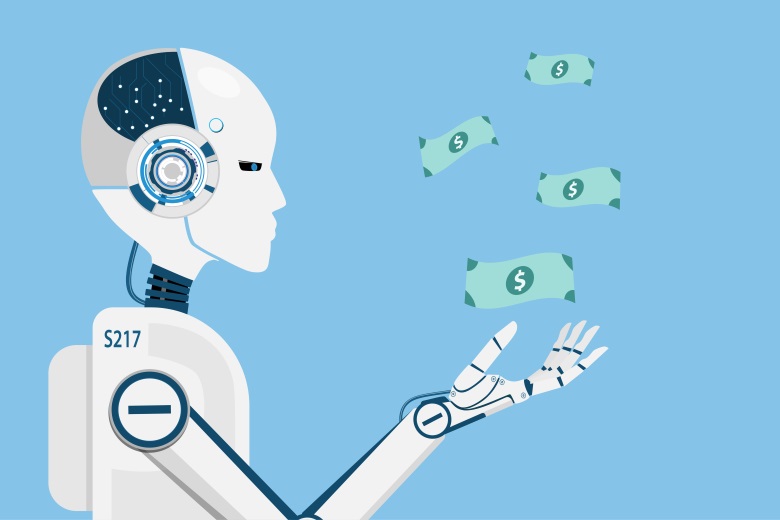
From Data to Dollars: How AI is Transforming Revenue Generation
Artificial intelligence (AI) is transforming the way businesses operate in various industries, and revenue generation is no exception. AI is becoming increasingly essential for companies looking to increase their revenue and gain a competitive edge in the market.From data analysis to marketing and sales strategies, AI is revolutionizing the way businesses generate revenue.Data AnalysisOne of the most significant ways that AI is transforming revenue generation strategies is through data analysis. With AI algorithms, businesses can analyze vast amounts of data in real-time, identifying patterns and trends that can help them make informed decisions. For instance, AI algorithms can analyze customer data, such as purchase history, browsing behavior, and social media activity, to predict customer behavior and preferences.This data analysis can be used to optimize pricing strategies, inventory management, and supply chain management. With AI-powered analytics, businesses can identify the most profitable products, target the right customers, and offer customized pricing that maximizes revenue.Marketing and Sales StrategiesAI is also revolutionizing marketing and sales strategies. By analyzing customer data, AI algorithms can help businesses create targeted and personalized marketing campaigns. AI-powered chatbots can also be used to engage with customers in real-time, answering questions, and providing product recommendations. These chatbots can even identify potential sales opportunities and guide customers through the sales funnel.AI algorithms can also be used to optimize sales processes, such as lead generation and lead scoring. By analyzing customer data, businesses can identify the most promising leads and focus their sales efforts on those leads. AI-powered sales forecasting can also help businesses predict future revenue and adjust their sales strategies accordingly.Customer ExperienceFinally, AI is transforming the customer experience, which is essential for generating revenue. By leveraging AI-powered chatbots, businesses can provide customers with quick and accurate answers to their questions. This can improve customer satisfaction, reduce customer churn, and increase revenue.AI can also be used to personalize the customer experience. By analyzing customer data, businesses can identify the products and services that each customer is most likely to be interested in. They can then offer personalized recommendations, increasing the likelihood of a sale.artificial intelligence (AI) has become a game-changer in revenue generation strategies for businesses across various industries. With the ability to process and analyze vast amounts of data quickly and accurately, AI has transformed the way companies approach customer engagement, sales, and marketing.One of the key benefits of AI in revenue generation is its ability to provide personalized and targeted customer experiences. By analyzing customer data, AI algorithms can identify patterns and preferences that allow businesses to create customized offerings and promotions that resonate with individual customers. This not only increases the likelihood of a sale but also strengthens customer loyalty and brand advocacy.AI can also assist with lead generation and sales prospecting. With the help of machine learning algorithms, businesses can identify potential customers based on their past behavior and preferences. This allows sales teams to focus their efforts on the most promising leads, increasing their chances of converting them into paying customers.In addition, AI-powered marketing automation tools can help businesses optimize their marketing campaigns for maximum impact. By analyzing customer behavior and engagement metrics, AI algorithms can identify the most effective marketing channels and tactics, allowing businesses to allocate their marketing budget more efficiently and achieve better results.AI is transforming revenue generation strategies by providing businesses with new tools and insights to engage customers more effectively, generate more leads, and optimize their sales and marketing efforts. As the technology continues to evolve, we can expect to see even more innovative applications of AI in revenue generation in the years to come.From data analysis to marketing and sales strategies to the customer experience. By leveraging AI algorithms, businesses can analyze vast amounts of data in real-time, create targeted and personalized marketing campaigns, optimize sales processes, and provide personalized customer experiences.Conclusion:As AI continues to evolve, it will become increasingly essential for businesses looking to increase their revenue and stay ahead of the competition.
More detailsPublished - Mon, 12 Jun 2023
Created by - Yashraj Gautam
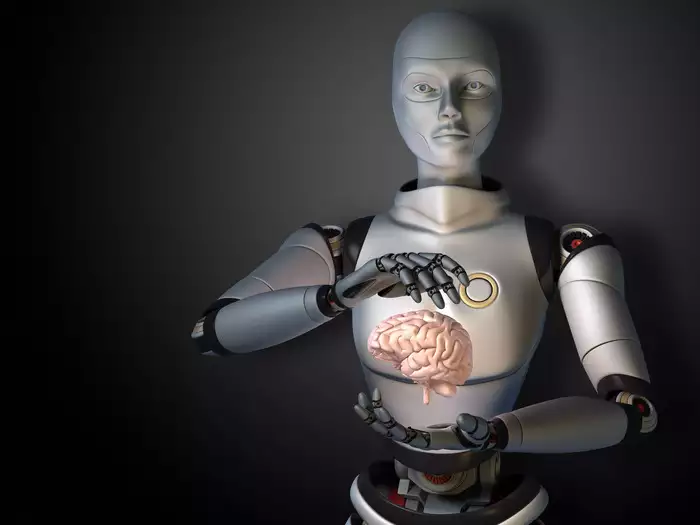
Reason to ban AI
Artificial intelligence (AI) is a rapidly growing field that is changing the way we live, work, and interact with the world.While AI has many potential benefits, there are also reasons to be concerned about its impact on society. In this article, we will explore some of the reasons why people are calling for a ban on AI and why this issue is so important.AI generated Images are an insult to ART and your own intelligenceIntroductionArtificial intelligence (AI) is a technology that has the potential to revolutionize many industries, from healthcare to transportation. However, there are growing concerns about the impact of AI on society, and many people are calling for a ban on this technology. In this article, we will explore some of the reasons why people believe that AI should be banned and the potential consequences of this decision.The Risks of AIOne of the primary reasons to ban AI is the potential risks that this technology poses. AI is still in its early stages, and there are many unknowns about how it will develop in the future. Some experts have warned that AI could eventually become more intelligent than humans, leading to a range of potential risks. For example, an AI system that is more intelligent than humans could decide to take actions that are harmful to humans, either intentionally or unintentionally.Another risk associated with AI is the potential for bias and discrimination. AI systems are only as unbiased as the data they are trained on, and if this data contains biases, then the AI system will also be biased. This could lead to discriminatory outcomes, such as an AI system that is less likely to approve loan applications from certain groups of people.Ethical ConcernsIn addition to the potential risks of AI, there are also ethical concerns that have been raised about this technology. For example, some people are concerned about the use of AI in military applications, such as autonomous weapons. There are concerns that these weapons could be used to target civilians or be difficult to control once they are deployed.Another ethical concern is the potential impact of AI on the job market. Many jobs that are currently done by humans could be automated by AI systems, leading to significant job losses. While some argue that new jobs will be created to replace those that are lost, others are concerned about the impact on the economy and the potential for widespread unemployment.Lack of TransparencyAnother reason to ban AI is the lack of transparency surrounding many AI systems. Many AI systems use complex algorithms that are difficult to understand, making it difficult to determine how decisions are being made. This lack of transparency could make it difficult to hold companies accountable for the decisions made by their AI systems and could lead to unfair or discriminatory outcomes.The Need for RegulationWhile there are reasons to be concerned about AI, some argue that a ban on this technology is not necessary. Instead, they argue that what is needed is stronger regulation of AI systems to ensure that they are developed and used responsibly. This could include regulations around the use of AI in certain industries, as well as requirements for transparency and accountability.What are some reasons to ban AI?There are several reasons why some people believe that AI should be banned:Safety concerns: There are concerns that AI could pose a threat to human safety, particularly if it is programmed to make decisions that are harmful or lethal to humans.Unemployment: AI could potentially replace human workers in many industries, leading to widespread job loss and economic disruption.Bias and discrimination: AI systems may perpetuate and amplify existing biases and discrimination, particularly if they are trained on biased data sets.Privacy concerns: AI could be used to gather and analyze vast amounts of personal data, potentially violating people’s privacy and civil liberties.Lack of accountability: As AI systems become more complex and autonomous, it may be difficult to hold them accountable for their actions, particularly if they cause harm.Also Read… https://www.ecomm-guru.com/the-impact-of-ai-and-machine-learning-on-e-commerce/There are many reasons why people are calling for a ban on AI, including the potential risks, ethical concerns, and lack of transparency associated with this technology. While a ban may not be the best solution, there is a need for stronger regulation of AI systems to ensure that they are developed and used responsibly.Conclusion:As AI continues to evolve, it is important that we consider the potential impact of this technology on society and take steps to ensure that it is used in a way that benefits everyone.
More detailsPublished - Mon, 12 Jun 2023

Created by - Yashraj Gautam
AI – A Friend or Foe
Artificial Intelligence (AI) is a rapidly developing technology that is changing the way we live and work.While it has the potential to improve many aspects of our lives, it also raises concerns about its impact on society. This article explores the benefits and challenges of AI, and whether it should be viewed as a friend or foe.Experts predict AI will be more intelligent than humans one day. What can humans do about it?AI, or artificial intelligence, can be seen as both a friend and a foe depending on how it is developed and used.On one hand, AI has the potential to bring about significant benefits in many areas of life, such as healthcare, education, and transportation. AI can help automate tasks, improve efficiency, and enhance decision-making processes.However, there are also significant concerns about the potential risks and negative consequences of AI. These include issues related to bias and discrimination, privacy and security, and the impact of AI on employment and the economy. AI systems can perpetuate biases and discrimination present in the data used to train them, leading to unfair outcomes and perpetuating social inequality.Moreover, the use of AI systems can also pose significant risks to privacy and security, as AI can process vast amounts of personal data and may be vulnerable to cyberattacks. Finally, there are concerns about the potential impact of AI on employment, as AI systems can automate tasks that were previously performed by humans, potentially leading to job displacement and economic disruption.Addressing these concerns requires careful consideration of ethical, legal, and societal implications of AI development and deployment. It is important to ensure that AI is developed and used in ways that benefit society as a whole, and that appropriate safeguards are in place to address the risks and negative consequences of AI. Continued dialogue and collaboration between stakeholders is necessary to ensure that AI is deployed in a responsible and ethical manner.What is AI?AI, or artificial intelligence, is a field of computer science focused on creating machines that can perform tasks that typically require human intelligence. AI involves developing algorithms that can analyze data, recognize patterns, and make decisions based on that data.The Benefits of AIAI has the potential to improve many aspects of our lives, including healthcare, transportation, and education. It can analyze large amounts of data and make predictions that can help doctors diagnose diseases earlier and more accurately. It can also help self-driving cars navigate roads more safely and efficiently, and personalize learning experiences for students.The Challenges of AIOne of the biggest challenges of AI is the potential loss of jobs, as AI becomes more advanced it has the potential to replace human workers in many industries. There are also concerns about the ethical use of AI, particularly in areas such as facial recognition and surveillance.Ethical ConsiderationsAs AI becomes more advanced, it raises important ethical considerations. For example, should AI be allowed to make life and death decisions in healthcare? Should it be used for military purposes? These are complex questions that require careful consideration and regulation.The Future of AIThe future of AI is uncertain, but it is clear that it will continue to play an increasingly important role in our lives. As AI becomes more advanced, it will have the potential to improve many aspects of our lives. However, it is important to ensure that it is developed and used ethically.Friend or Foe?Whether AI is a friend or foe depends on how it is developed and used. If it is developed and used ethically, it has the potential to improve many aspects of our lives. However, if it is used in ways that are harmful or unethical, it can be a threat to society.The Role of Humans in an AI WorldDespite the potential for AI to replace human workers, there will always be a need for humans in an AI world. Humans will be needed to create and program AI, as well as to oversee its use and ensure that it is used ethically.The Impact of AI on JobsAI has the potential to significantly impact the job market, with some jobs becoming automated and replaced by AI. However, it also has the potential to create new jobs, particularly in the field of AI development and oversight.AI and BiasAI can be biased if it is trained on biased data or algorithms. This can result in unfair or discriminatory decisions, particularly in areas such as hiring and lending.AI in HealthcareAI has the potential to improve healthcare by analyzing large amounts of data to make more accurate diagnoses and develop personalized treatment plans. It can also help with drug discovery and clinical trials.AI and PrivacyAI can raise concerns about privacy, particularly in areas such as facial recognition and surveillance. It is important to ensure that AI is developed and used in ways that respect individuals’ privacy rights.AI and SecurityAI can be used to improve security, such as by detecting and preventing cyber attacks. However, it can also be used for malicious purposes, such as developing more advanced forms of cyber attacks.AI and EducationAI has the potential to personalize learning experiences for students, helping them learn more effectively. It can also assist with grading and feedback, allowing teachers to spend more time on other aspects of teaching.ConclusionAI is a rapidly developing technology with the potential to improve many aspects of our lives. However, it also raises concerns about its impact on society, particularly in areas such as job loss, bias, and privacy. It is important to ensure that AI is developed and used ethically.
More detailsPublished - Mon, 12 Jun 2023
Search
Popular categories
Ecommerce Trends
239Business
54Marketing
37Website
23Social Media
22Courses
21Latest blogs

The Power of Email Marketing in eCommerce
Fri, 15 Mar 2024

Tips for Optimizing Product Pages for Conversions
Thu, 14 Mar 2024

Mastering SEO for eCommerce Websites
Wed, 13 Mar 2024
Write a public review