Created by - Yashraj Gautam
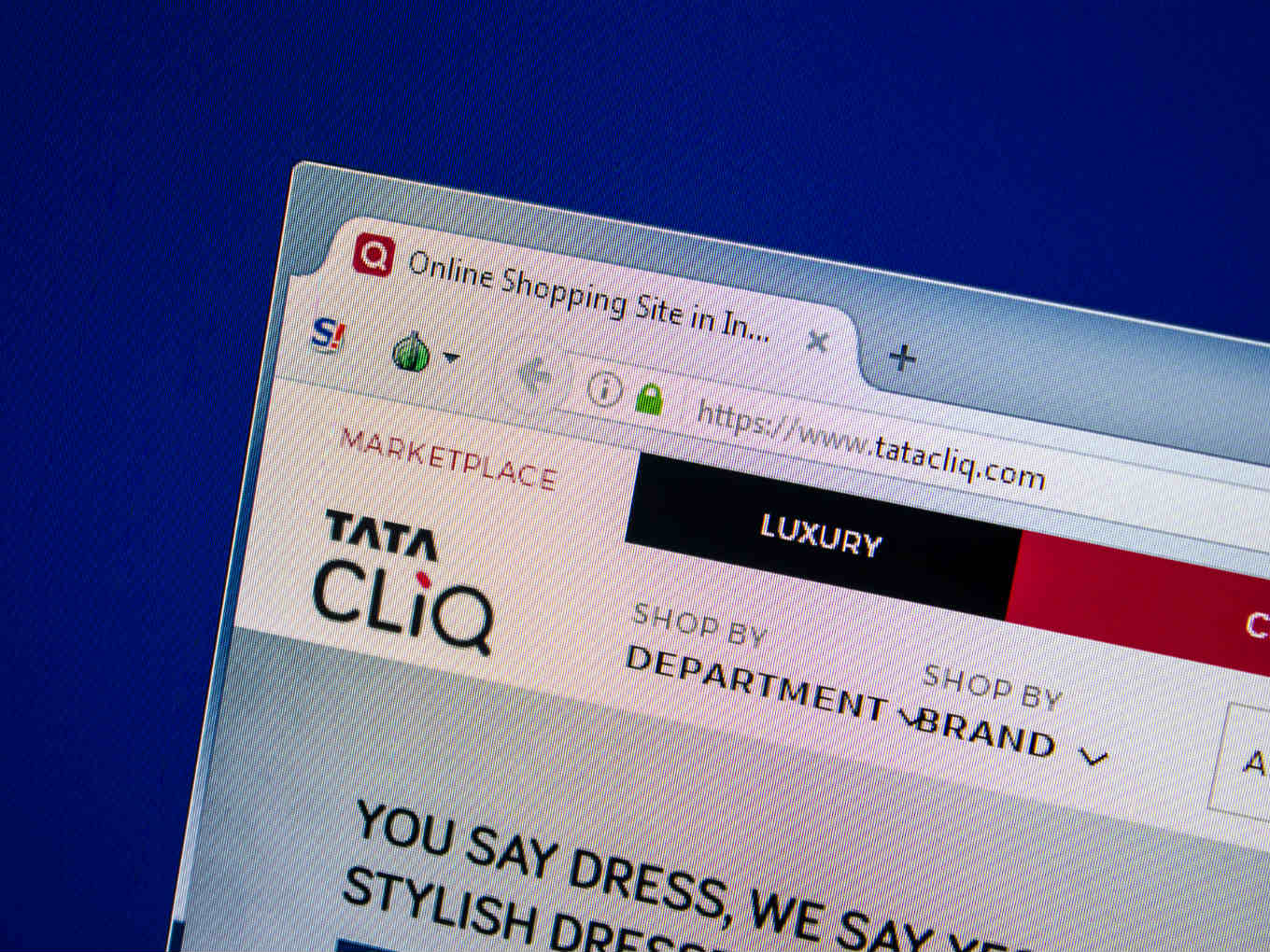
Tata Cliq targets becoming India’s largest e-commerce retailer
Tata Group is ecomm arm, Tata Cliq is looking to be India’s biggest retailer in the online marketplace.The retailer is rolling out major discounting initiatives and hoping to give tough competition to the larger existing e-commerce players, Amazon and Flipkart. If Amazon gave the world e-commerce, Flipkart made it mainstream in India as soon.Tata Cliq is enhancing it’s online presence in online marketplace with spending on digital marketing and heavily discounting products. As Amazon and Flipkart continue to grow day by day, and with Reliance Retail planning to enter the market later this year, the pressure is on the medium to large sized e-commerce firms such as Tata Cliq to stand out in online marketplace.Tata Cliq sells a variety of product and brands and has a very big emphasis on fashion. However, it is the electronics, home appliances, and smartphone sections that the business is most heavily discounting at present with prices lower than the Amazon and Flipkart in many cases. However, some worry discounting items too heavily in the hope of drawing customers could cause an unsustainable price war, as has happened before.The CEO of Tata UniStore, Ashutosh Pandey, had earlier said while there will be discounts and it will not burn pockets of customers and customers have lot of option to buy with tata cliq in best prices and choice. The brand will not be the cheapest but the most authentic place to shop. This suggests heavy discounting will not become the main strategy of the brand but more of a short term one.Tata Cliq started its operation in 2016 named by Tata UniStore and reported sales of Rs 12 crore ($1.8 million) for the 2016-17 financial year, with a loss of Rs 162 crore ($24.4 million).
More detailsPublished - Sat, 03 Jun 2023

Created by - Yashraj Gautam
Flipkart’s Big Billion plan is sales via payment offers
(BENGALURU) Affordability seems to be the festive season theme for Flipkart this year.The ecommerce bigger expects gross sales from its upcoming 5-day Big Billion Days (BBD) annual sale to double from last year’s event to over $1 billion. At least half of this is drive by payment new schemes that make buying even expensive products online feasible for shoppers.Some highlightsFlipkart has partner with Amitabh Bachchan, Deepika Padukone and Virat Kohli to bring in its flagship sales event.The company expects gross sales from (BBD) annual sale to double from last year’s event to over $1 billion.Amazon India and Flipkart are looking to clock about $2.5-3 billion each in GMV during the festive period.Walmart _owned Flipkart recently pumped in about Rs 3,463/- crore into its main ecommerce unit, Flipkart Internet, signal a full coffer for the coming sale season that begins next month. Flush with cash, the company is not holding back on marketing efforts, and has partnered with some of India’s biggest superstars celebrity including actors Amitabh Bachchan and Deepika Padukone and Virat Kohli to bring in its flagship sales event. “We are looking at multiple the number (gross merchandise value or GMV) we had done last (BBD),” Smrithi Ravichandran, senior director in Flipkart, told “The main theme this time is affordability and more than 60% of this GMV will be driven through all the affordability instruments we offer.”Over the many years, Flipkart has launched a slew of affordability initiatives to help customers purchase high-value products. This year, these instruments are expected to add close to 2 million new shoppers to the Flipkart platform over the 1-month festive sale period.Some of these so-called affordability instruments include no-cost EMI, debit card EMIs, product exchange offers, buy-back guarantees, a buy now pay later feature, and cashless credit of up to ——– 60,000. previous year around one third of the company overall GMV during the festive season was driven by such affordability instruments.According to marketplace industry sources, both Amazon India and Flipkart are looking to clock about $2.5-3 billion each in GMV during the 30-day festive period. Flipkart (BBD) is slated for October 10-14 and Amazon India is expected to begin its flagship sales around the same time. Experts are tracking the space expect this year’s festive season to fetch signifiy sales for ecommerce companies as the post GST and post-demonetization dust has settled and customers appear ready to spend again.Also, as Flipkart’s and Amazon India double down on offers and discounts, daily shipments are expected to surge past 3 million during the festive season, up from an average 2 million during the corresponding period last year, recently reported citing industry experts. “Ecommerce companies will do much better in this year when compared to last year turnover, with a minimum increment of 30-40%,” said Satish Meena, senior forecast analyst at Forester Research.
More detailsPublished - Sat, 03 Jun 2023
Created by - Yashraj Gautam
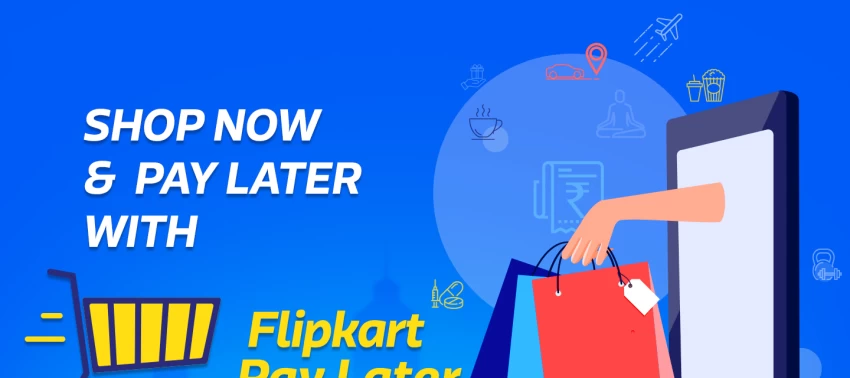
Flipkart Pay Later – New way to shop online
Financing is a key unsolved need in India. Less than 2% Indians have access to credit cards.If customers don’t have credit cards then customers don’t get access to short term credit — a very important use case being the ability to keep making purchases, without the requisite balance in their savings account.In plus, e-commerce businesses see the challenge of inspiring trust and convenience for the entire online shopping experience from order to delivery. Cash on Delivery is the prevalent mode of online shopping. With Cash on Delivery, customers get to use a quick-to-checkout method without having to key in 2 factor authentication for the payment to go through, also they will pay for their purchase when product comes at their doorstep which inspires more trust and confidence that the product will reach and will reach on time. Also, in case of any cancellations/ refunds, the customers are always wary that their money will get stuck with the platform, and a perception that they will need to keep track and follow up.Flipkart understand these gaps to create a proposition called Flipkart Pay Later, in order to fulfill the need for access to credit along with reinforcing trust and convenience in our shopping experience for our most valued customers.With Flipkart Pay Later, the purchase and payment gets de-coupled. Customers can purchase goods on Flipkart throughout the month up-to an enabled limit (Rs 5–10k) without having to go through the payment process every time. Rather, they can complete their purchase at 1 click, receive the products, use them and validate their quality, and later pay. The total payments can all be sum up & paid at one go next month. In case of any refunds or cancellations will happen then there is an automatic adjustment made in their account and there is no need to pay for such purchases. So no money exchange needed for products that they did not find useful and wanted to cancel or return.This is a truly India specific idea, ape the trusted way of shopping at the retailer next door, where such a book keeping system is prevalent for recurring low value purchases for the most trust-able customer base of the retailer. The retailers identify a base of trusted, most frequent purchasers and do not insist that they pay for every purchase but just clear off their accounts once a week/ month as the case may be. This is a mostly used method of commerce right from large apartment complexes in metros to even folks staying in Tier2/3 cities in India.Flipkart Pay Later targets at taking online shopping experience to an altogether different level by:Developing trust quotient for the customers as they have to pay after receiving or experiencing productsLogical checkout with 100% success rate on forward transactionsComfort in order placement by having truly single click payment solutionCentralized payback once a monthInstant adjustments for any cancellations or returns without the customer having to pay any money upfront
More detailsPublished - Sat, 03 Jun 2023
Created by - Yashraj Gautam
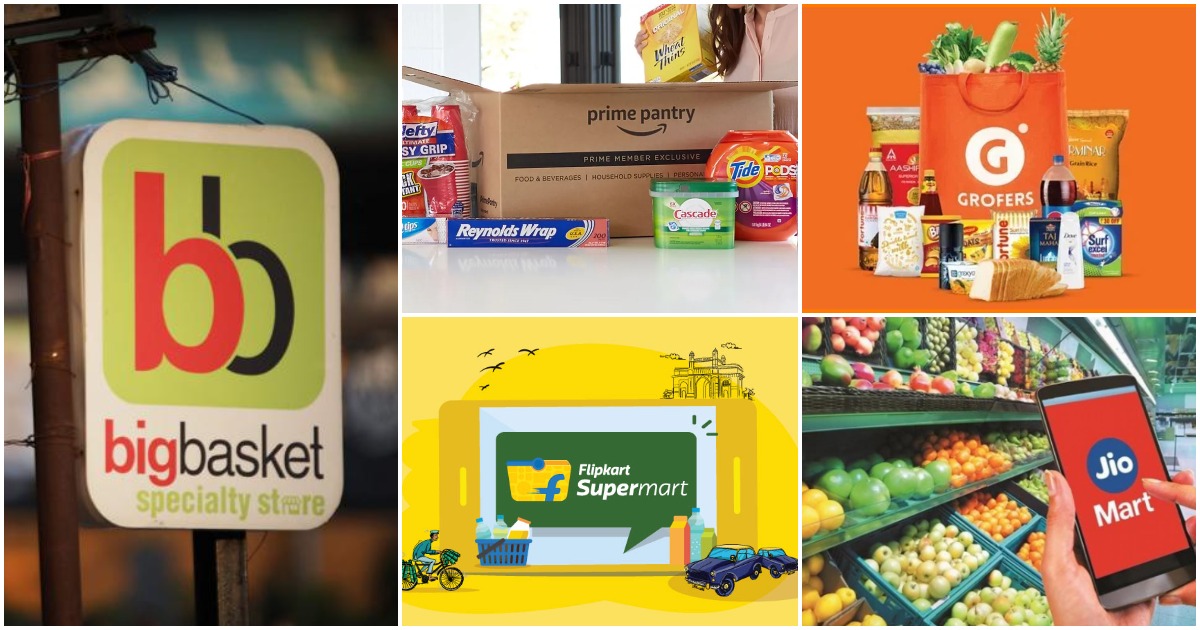
Indian Grocery Sector Grasp Ecommerce
An increasing number of Indians are switching to smartphones with data connections and making online purchases. Thanks to this ever-increasing consumer base, the Indian ecommerce sector has witnessed a steady growth in the recent years. Currently at $53 billion in annual revenue, the country’s ecommerce industry is expected to exceed $100 billion by 2020.It’s the food and grocery segment that is fueling this growth. According to a recent report by CRISIL (Credit Rating Information Services of India Limited), a rating and research agency, the online grocery business is set to expand at a compound annual growth rate of over 65% between fiscal 2017 & 2020. Generally, basic need related income is relied upon to relatively fourfold to Rs10,000 crores (around $1.5 billion) over these three years.A startup retailer called Big Basket alongside Grofers, a basic need conveyance firm, and Amazon are driving members in the beginning on the web basic supply showcase in India.It’s the food and grocery segment that is energizing this development.High-volume FactorEcommerce in India initially focused on electronics and apparel. Millennial drawn to Western clothing brands and electronics readily jumped on the ecommerce bandwagon. Be that as it may, the underlying enthusiasm for these fragments is presently abating.Groceries, then again, are a high-volume business, however the per-crate estimate is small compared to electronic goods. People will buy, like – processed foods, grains, and cleaning supplies at least monthly if not weekly. Ecommerce businesses are betting that grocery shopping will bring consumers back to their sites on a regular basis.“If you want to change a person’s shopping style you need to look at where a customer spends the most time. The answer is FMCG (fast-moving consumer goods) & grocery. Customers collaborate and engage on a daily basis in this category.While Amazon and BigBasket were the first to jump in, Indian ecommerce giant Flipkart unveiled its grocery segment on its home turf, Bengaluru, last year. Kirana11, a startup grocery marketplace (also in Bengaluru) is another competitor. And the current Flipkart and Walmart deal is likely to redraw the online grocery sector map in the coming years.Thin MarginsSelling groceries online in India is challenging. There is a high rate of repeat orders, but the industry produces narrow profit margins. According to Raj Subramanian, founder of Paisool, another Bengaluru-based grocery startup, it has more to do with the lack of reform in the country’s agricultural sector and corruption-prone agricultural produce market committees.To battle the thin edges, online retailers need to go higher in the inventory network and purchase rural create in mass. At the end of the day, online stores are making their private names or in-house brands to expand the benefit, particularly for staples, for example, grains, vegetables, dry organic products, sugar, and handled nourishments.Big Basket has three in-house variants: BB Popular (entry-level products), BB Royal (high-quality products), and BB Royal Organic (high-quality organic products). “On an average, private label margins vary from 25 to 45%, which makes them an important factor for profitability,” Hari Menon, CEO of Big Basket, told The Economic Times. “We are aiming to hit the Rs500-crore ($75 million) mark in March 2019.”Grofers, on the other hand, offers premium-quality products under the labels G Mother’s Choice, G Happy Day, and G Happy Home. It offers entry-level products under the private labels Have More and Save More. The company plans to enlarge its private label business with the launch of 250 food and non-food products ranging from fruit jams and detergents to kitchen tools and accessories.“We are focusing on an income of Rs5,000 crores (around $750 million) by 2020 of which Rs3,000 crores (around $450 million) from private marks, that would be 60 percent of our aggregate best line,” said Saurabh Kumar, author of Grofers, in a meeting with The Financial Express. “Today we have more than 700 items inside the Grofers brand of results of which more than 250 items are in the FMCG space. This will increment to more than 1,500 by 2019, wherein we will include another 500 things in the FMCG portfolio spread crosswise over different classes.
More detailsPublished - Sat, 03 Jun 2023
Created by - Yashraj Gautam
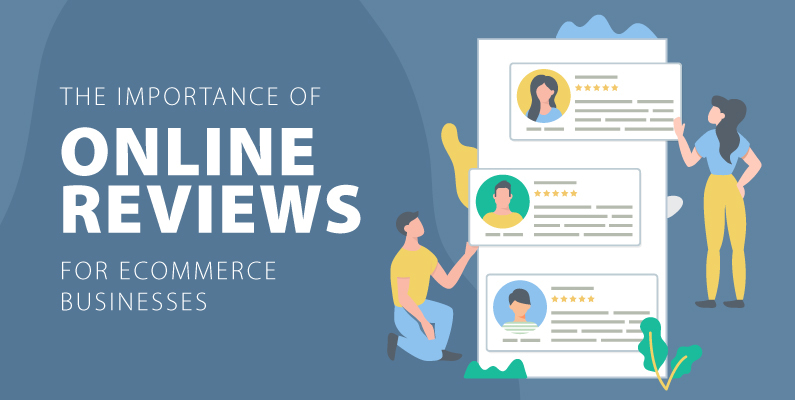
How Can We Get Customer Reviews for Our E-Commerce Store?
The making of an e-commerce store is only the first step in business.There must be transactions occurring regularly, but there is no option available to evaluate the store currently in the online world. Social proof, especially in the form of customer reviews can be an effective tool for your store’s sale boxes. The customers may not be providing reviews on the site even after repeated requests, many owners get stuck in this vicious cycle. To some, this idea of getting review doesn’t go down very well. This aspect is commonly neglected but it has the potential to make conversions. In a recent study, one review increases orders by 10% and if it is for 30+, the orders increase to 40%. In this article, the steps to get quick yet relevant reviews on the store will be convenient enough.The steps are:-Identification of possible customers to give reviewsIn the first place, the process includes the identification of buyers who will give reviews. They are the ones who recently bought from the e-commerce store and they will do willingly.Another possibility is to try out customers who have purchased bulk orders ranging to a few thousand, and are favorable to give reviews rather than persons who are trying out the portal for the first time. The reviews from buyers who are loyal will boost the future of the platform, which means more business.Ask for customer reviewsIf proper classification and final charting are done, the next step is to politely ask to review your products and the experience they had in the e-commerce store. In this venture, email may act as a powerful option, increasing your reputation and increasing the chances. E-mail is the preferred choice as they can be customized to a personal note adding some details like the customer’s name showcases the care the store has for its loyal consumer.There are tools to view who opened the mail and can resend it to them any times required. According to the response available, changes in strategy or design be done.Automatic responseThe previous step has now made clear of the people to whom the emails are sent and who are all likely to buy new products. The retailers use some techniques where it is programmed to send emails to customers after they have bought a number of products.This means they are loyal and are much likely to buy from the store, increasing the sales. Automatic email marketing tools are available for quick use.Email marketingThe first impression from the side of owner to the customer is the personalized email which builds a sense of connection between the two. This technique can be multiplied and be used on all platforms.Social media platforms in this respect are a genius, people will review the product, which can motivate people to buy from the store.Provide incentivesAnother initiative might be provision for incentives. The customers can be given some coupons or discounts for providing a review. This strengthens the bond, the buyers have already trusted their money with the site, and if a little is given back, there are chances of getting it back.While giving the coupons, it is recommended to include some offerings, which will encourage the customer to keep shopping.
More detailsPublished - Sat, 03 Jun 2023
Created by - Yashraj Gautam
Tips for Powerful Product Photos For eCommerce
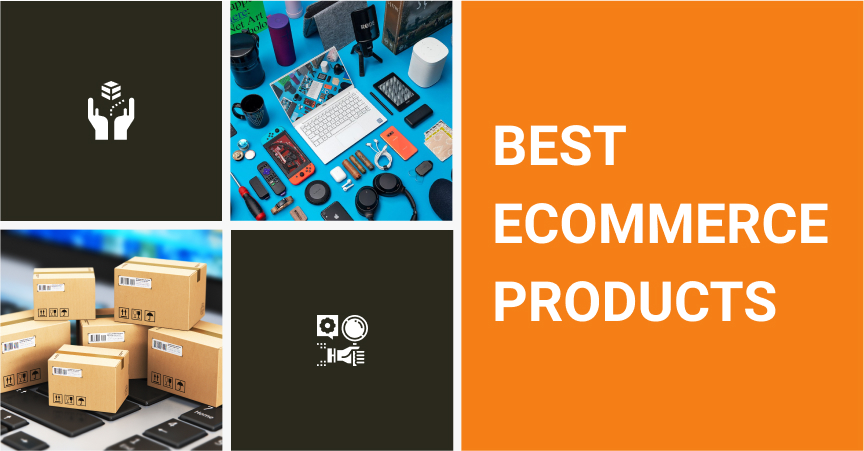
I had stressed on providing quality photos of products on your e-commerce store e-commerce store is entirely different from a physical outlet. Prospective buyers take their decision of buying based on the product photos. Remember, they cannot touch or feel the product, so they will try to build an impression upon the images provided.Providing quality images always increases the e-commerce conversion rates and also improves the general presence of the store. It is a powerful tool, which you can use easily to boost your sales.The ways to awesome product photos are as follows:1. Plan aheadIt is always advisable to chart out a plan beforehand shooting photos. It’s recommended that you finalize which photos to consider, the settings and lighting required. It should not happen that after taking a photo, you would later want to add more information. This can be cumbersome as to get the similar picture setting, the contrast, and the size. If possible shoot multiple photos in a complete line, which will not only save your precious time but you can also be creative in the branding.2. Pick the best productsThe products which you think can bring out the flavor of your e-commerce store better, must be highlighted. Choose the best product samples to be portrayed. The biggest disadvantage of product imaging is that people do not pay attention to the tiniest detail such as dents, incomplete labels, scratches, and packaging flaws. Remember to give the best image possible as shortcomings are more easily noticed by zooming than the naked eye. Start with the best possible sample available.3. Take a good primary imageEvery product has a main image listed also known as the hero image. This is the only chance where you can genuinely impress a buyer in buying the product. The photo must be portrayed on a white background, it gives the impression of the unending horizon. The main listing must be the top priority as it can drive conversions. The image must be well-lit, is of high-resolution and be the sparkling change between yours and others.4. Secondary imagesNowadays, every e-commerce store provides opportunities for more than one image. You can utilize this opportunity to tell a story through them, your ideas channeled into one. Try to include every small detail if possible, such as the close-up shots of the accessories being provided, an inbox view. Also, provide an image of packaging, creating completeness. You can also provide lifestyle images, but may not be a good return on investment.5. Stick with photosIt sounds tempting to use heavy info graphics, but it disbands the overall aesthetics of a product. You should let the photo do the talking rather than filling all sorts of kitty-kitties on your product listing.6. Hire a professional if requiredThis aspect is usually neglected by business concerns and they lack the qualified personnel to do the shooting. You can add all your expenses and if you hire a professional, your time, energy and aggravation. Entrepreneurs usually do all the work form listing, imaging but sometimes it’s better to hire pros.
More detailsPublished - Sat, 03 Jun 2023
Created by - Yashraj Gautam
6 Ways to Write Product Descriptions for Ecommerce Platforms
Writing without mastering it one cannot convey the message properly.It should be kept simple and readable as well as little catchy. Few content writers use high idioms and phrases to make the descriptions look more appealing and that’s how they appeal the least.Here are 6 simple ways to write product descriptions that sell:1. Focus on one kind of audienceImagine yourself to be the buyer or the decision maker of the product and then start writing the description. Get in their head and see what they would like to know about the product. Also keeping the language as simple as you can.2. List the featuresListing features and attributes of the products are the most important thing. Keeping them in points might also help more. Long paragraphs are difficult to read, people tend to read content which seems to be highlighted.3. Use more adjectivesAttractive adjectives but yet uncomplicated will catch more attention. Use of adjectives depends on the product itself. It should be kept in your mind that it describes particularly the product and is not generalized.4. Add good quality and relevant imagesAdding images enhances the products on a large scale. People get the idea of what they are going to buy. Small key points can describe the image and help it make more attractive to the buyer.5. Show similar productsWhile writing and showing the product, a list of similar products can also be shown along with it. Small descriptions about them will help the buyer to choose something among it and not go elsewhere but that will only happen if the message of the product is conveyed properly.6. Include storiesWriting product descriptions and adding mini stories section along with the description. This can fourfold the chances of the product being sold. Try telling stories about product development, who are involved in the value chain, how will this product sale affect the bottom of the pyramid individuals, how is the product tested etc. are some of the key points that can be included.
More detailsPublished - Sat, 03 Jun 2023
Created by - Yashraj Gautam
4 Reasons Why Packaging is Important for E-Commerce Businesses
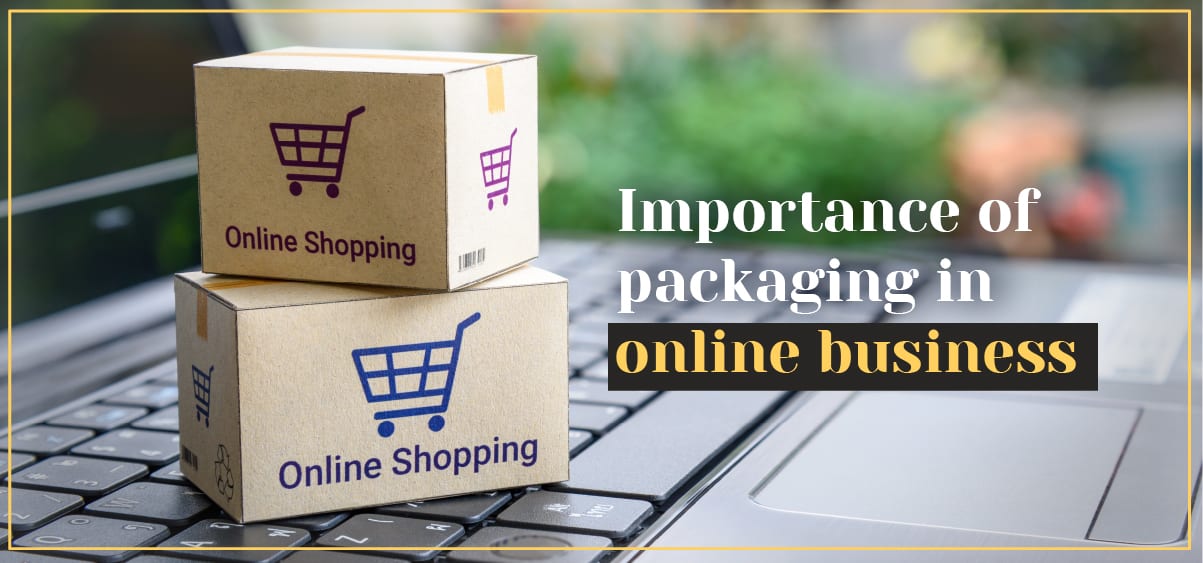
Numerous e-commerce businesses are now investing in corrugated boxes to improve packaging and labeling instead of just wrapping the product, putting it in a box and delivering it. The main aim of improved packaging and labeling is to ensure safe delivery of the product and effective promotion of the brand. Additionally, investing in packaging supplies and labeling provides an immense boost to the goodwill of the business. When the customer gets the product in the top shape, they are satisfied. This then leads to increased chances of the customer placing future orders, thus leading to increased ROI and growth in the business.Let’s look at 4 reasons how proper packaging can help e-commerce businesses:Reduces Company CostsProper packaging helps in reducing the company’s costs significantly. Good packaging ensures that the product doesn’t get damaged during shipping, thus ensuring minimal chances of customers sending it back. When the product is returned, you have to incur additional costs to reship the returned product. In the case of a refund, you have to reimburse the cost of the product, which would again cut into the company’s profits. By ensuring that the packaging is good, you can avoid these extra costs. Contact a good packaging material supplier to determine which material to use for excellent results.Builds Relationship with CustomersA core aspect of building a relationship between a brand and the end user is the packaging. If your product is well-packaged, it leaves a lasting impression on the customer, long after the sale has been made. The packaging of everyday products, such as commercial office supplies, toothpaste, etc. can impact how the brand is perceived every single time the product is ordered and used. Determine whether packaging makes the consumer use of the product easy or difficult. The user experience is what makes or breaks the product. Good customer experience can earn customer loyalty; Customers would be even willing to pay extra for a great product.Creates Good Impression and Brand IdentityProper packaging helps in creating a good first impression of your product on the customers. A customer’s opinion or impression of your business will be good if he or she gets a well-packaged product. The proper packaging also helps in creating a strong brand identity. Add a customized label with the brand logo, brand name, etc., to, stand out from your competitors, and create a distinct brand value.Ensure that the packaging companies puts essential information about the product that you want your customers to know. If your product is a food item or cosmetics, it is important that you print information about the manufacturing date, expiry date, etc. on your packaging. High-quality printing, unique packaging material, and a distinctive design that supports your brand’s approach and strategy will surely help you in engaging the users and differentiating your brand from the clutter.Promotes Brand ValuePackaging is not as simple as a container that holds the product. Rather, it should be created in a way that stores and protects the product from any kind of damage or wear and tear. In the case of health or food products, the package should be temperature controlled. The packaging need not be too complex or sophisticated, but it should ideally fulfil important objectives such as helping the customers get the product in a proper condition. All this helps in promoting and enhancing the brand value.
More detailsPublished - Sat, 03 Jun 2023
Created by - Yashraj Gautam
How to Create a Best Sales Campaign on Your E-Commerce Website
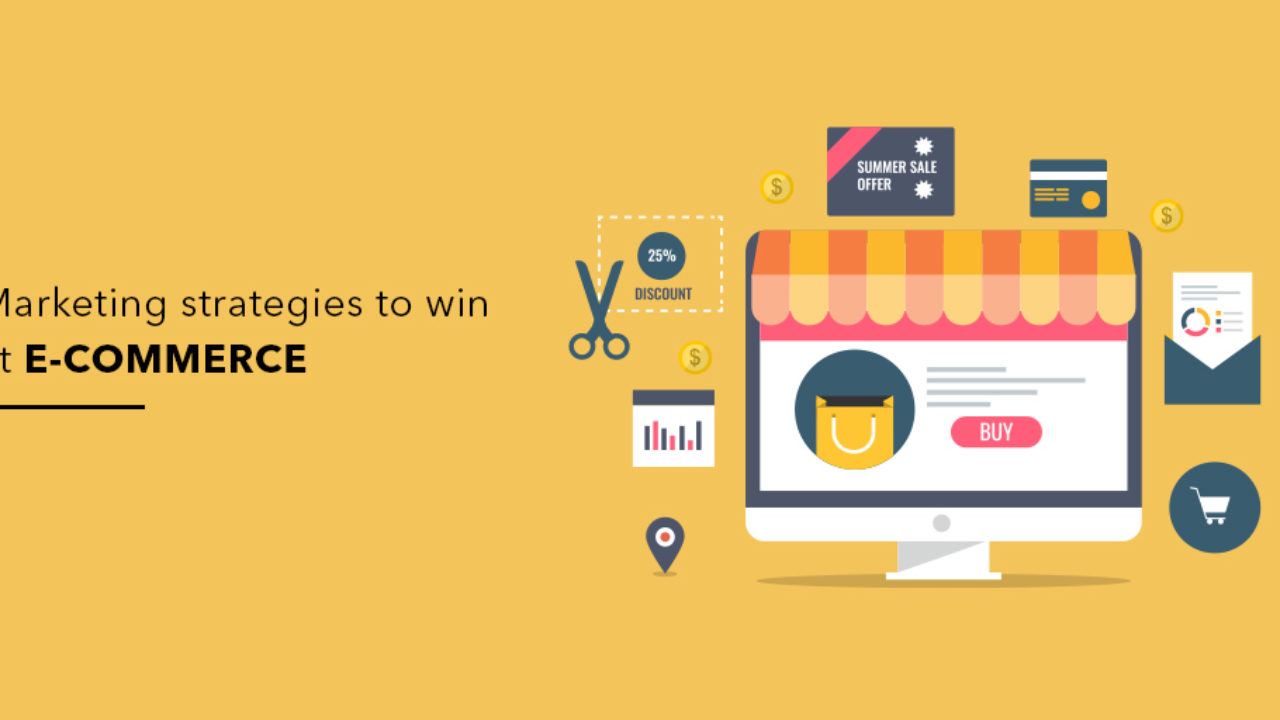
It is the undeniable truth about marketing world, that a successful sales campaign is an essential objective with the cloak of uncertainty, for even the best players in the market.So let’s proceed together into the plethora of options to choose from for a successful sales campaign.Devise a time planThe sales in e-commerce marketplaces go into a frenzy, due to their prolonged promotion on arrival of a festive season. Be it the marriage season, Diwali, Eid, or Christmas. This is the time when sales happen on a large scale, as gifts are being exchanged, new clothes are bought, furniture, appliances, home décor everything is on the table for sale with multiple buyers. Regular sales offers (like 20% off for today! Or Buy One Get One free!) can also help in encouraging customer loyalty and promoting brand image.Focus on the type of offerBuilding an appealing sales option is more cumbersome than it appears to be. Conjuring a good enough image in the minds of the prospective customers and giving it an outlook of personal benefit for him, involves a lot of work. Decide what you would like to go for-Discount with minimum order placement: Every once in a while a sales campaign involving a certain percent off on the price after crossing a given purchase limit is presented. These type of offers do not always guarantee a huge sale but if coupled with perfect timing, it can be a rewarding opportunity.Free Shipping: This goes without mentioning that often the marketplaces and online shops that offer frees shipping on a regular basis are favored by the customers. Whether its feasible option as a seller or not for a given product is your prerogative.Coupons: Coupons are omnipresent in today’s business so much as an online platform for providing coupons to customer like coupon dunia is a popular choice among many. It can be used to further the present sales.Discounts: Goes without introduction, this option is always a go to when a sales campaign is planned. For a customer it’s a sight for the sore eyes as 50% off and above is a dream come true!Social Media? Check!If there is no hype on social media platforms like Instagram, Facebook and YouTube, the words hype needs to be redefined. These platforms are a regular hangout engagement for a large customer base, and provides increased coverage. Whether it is under the targeted audience or not, it covers everything!When it comes to sales, a perfectly time product with a calculated target base, keeping in mind the stock and balancing the brand image amalgamates itself into a successful promotion technique.
More detailsPublished - Sat, 03 Jun 2023
Search
Popular categories
Ecommerce Trends
239Business
54Marketing
37Website
23Social Media
22Courses
21Latest blogs
The Power of Email Marketing in eCommerce
Fri, 15 Mar 2024
Tips for Optimizing Product Pages for Conversions
Thu, 14 Mar 2024
Mastering SEO for eCommerce Websites
Wed, 13 Mar 2024
Write a public review