Created by - Yashraj Gautam
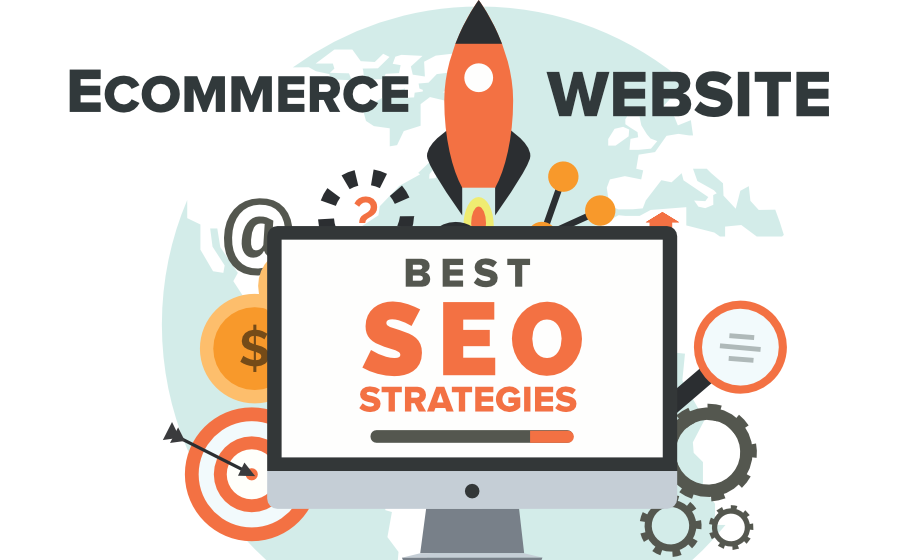
Effective Ecommerce SEO Strategies to Improve Your Website’s Visibility
If you run an online store, you know how important it is to rank well on search engines like Google.Ranking high for relevant keywords can drive more traffic, leads, and sales to your website. But how do you optimize your ecommerce site for SEO? What are the best practices and strategies to follow?In this blog post, we will share with you some effective ecommerce SEO strategies that can help you improve your website’s visibility and performance. These strategies are based on the latest SEO trends and best practices, as well as real examples from successful ecommerce sites.Find Relevant and Optimized KeywordsKeywords are the foundation of any SEO strategy. They are the words and phrases that your potential customers use to search for your products or services online. To rank well for these keywords, you need to understand what they are, how often they are searched, and how competitive they are.One of the best ways to find relevant and optimized keywords for your ecommerce site is to use keyword research tools like SEMrush or Uber suggest. These tools can help you discover new keyword ideas, analyze their search volume and difficulty, and find related keywords that you can also target.For example, if you sell headphones, you can use SEMrush to find keywords related to your product category:https://backlinko.com/wp-content/uploads/2021/10/semrush-keyword-research.pngAs you can see, SEMrush shows you various keyword metrics, such as volume, keyword difficulty, cost per click, and competitive density. You can use these metrics to prioritize the keywords that have high demand and low competition.Another way to find relevant and optimized keywords for your ecommerce site is to use Google Suggest. This is the feature that shows you autocomplete suggestions when you type something into Google’s search box:https://backlinko.com/wp-content/uploads/2021/10/google-suggest.pngThese suggestions are based on what other people are searching for, so they can give you some insights into the search intent and behavior of your target audience. You can also use these suggestions as long-tail keywords that are more specific and less competitive than short-tail keywords.For example, if you sell headphones, you can use Google Suggest finding long-tail keywords like “best headphones for gaming” or “wireless headphones with noise canceling”.Establish an Easy Site ArchitectureSite architecture is how your website’s pages are organized and interlinked. It affects both user experience and SEO, as it determines how easy it is for visitors and search engines to navigate and find your content.A good site architecture for an ecommerce site should be simple, logical, and scalable. It should follow a hierarchical structure that goes from broad to specific categories and subcategories. It should also use descriptive and keyword-rich URLs that reflect the content of each page.For example, a good site architecture for an ecommerce site that sells audio equipment may look something like this:https://solar.physics.montana.edu/YPOP/Spotlight/SunInfo/Core_files/site-architecture.pngAs you can see, this site architecture has a clear hierarchy that goes from home page to main categories (headphones, speakers, turntables) to subcategories (wired headphones, wireless headphones) to product pages (red Sony wired headphones). It also uses short and keyword-rich URLs that make sense for both users and search engines.A good site architecture can help you improve your ecommerce SEO in several ways:It makes it easier for users to find what they are looking for in just a few clicks.It helps Google crawl and index your pages more efficiently.It prevents duplicate content issues that can arise from faceted navigation or filter combinations.It distributes link authority and ranking signals across your pages.Focus on On-Page SEOOn-page SEO is the process of optimizing the content and HTML code of each page on your website for relevant keywords and user intent. It helps Google understand what your page is about and how well it matches the query of the searcher.Some of the major on-page SEO techniques for an ecommerce site are: https://gracethemes.com/9-best-effective-ecommerce-seo-strategies/:• Use optimized meta titles and descriptions. These are the snippets that appear on the search engine results pages (SERPs) and influence the click-through rate (CTR) of your pages. They should include your target keyword, a compelling value proposition, and a clear call-to-action.Implementing effective SEO strategies is crucial for any ecommerce business to improve its visibility online. It is important to conduct thorough keyword research and optimize your website accordingly to rank higher on search engine results pages. Making use of free learning platforms and free ecommerce courses can help you stay up-to-date with the latest SEO trends and techniques. Additionally, seeking guidance from ecommerce guru can provide valuable insights and advice on how to improve your overall business strategy. Conclusion:By utilizing these ecommerce business hacks, startups can ensure they are on the right path to success in the online marketplace.
More detailsPublished - Mon, 12 Jun 2023
Created by - Yashraj Gautam
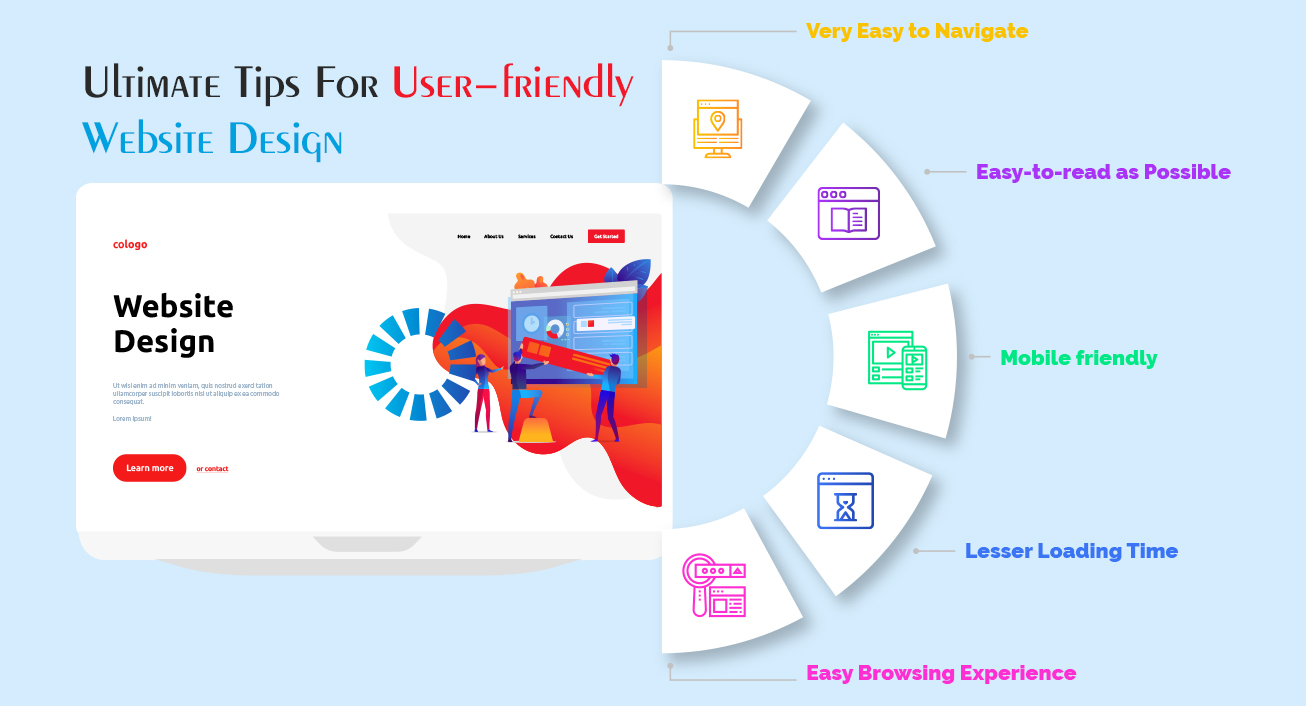
"10 Expert Tips for Designing a User-Friendly Website"
In the digital era, having a user-friendly website is crucial for the success of any online business. A well-designed website not only attracts visitors but also keeps them engaged and encourages conversions. Whether you're starting an e-commerce business or looking to improve your existing website, these 10 expert tips will help you create a user-friendly online platform. Plus, we'll highlight some valuable resources available on free learning platforms and online courses to enhance your web design skills.Plan your website's structure:Before diving into the design process, create a clear and organized structure for your website. Define your main pages, categories, and subcategories. This will ensure a logical flow and easy navigation for your visitors. Free learning platforms often offer courses on website planning and organization, helping you streamline this crucial step.Optimize website speed:Website speed is a critical factor for user experience and search engine optimization. A slow-loading website can discourage visitors and negatively impact your search rankings. Optimize your website's speed by minimizing image sizes, using caching techniques, and choosing a reliable hosting provider. Online courses on web performance and optimization can provide valuable insights and techniques.Implement responsive design:With the increasing use of mobile devices, responsive design is essential. Ensure your website is mobile-friendly and automatically adjusts its layout to different screen sizes. This improves the user experience and boosts your website's SEO rankings. Many free learning platforms offer courses on responsive web design, allowing you to learn at your own pace.Focus on intuitive navigation:Make navigation intuitive and easy to use. Use clear and descriptive menu labels, provide a search function, and include breadcrumbs to help visitors understand their current location on your website. Free online courses on user experience (UX) design can teach you effective navigation techniques.Use consistent branding:Consistency in branding helps build trust and recognition. Use a consistent color palette, typography, and logo placement throughout your website. Ensure your branding aligns with your target audience and reflects your business's personality. Free learning platforms often offer courses on branding and visual design to help you create a cohesive website.Optimize content for readability:Visitors should be able to consume your content easily. Use readable fonts, appropriate font sizes, and sufficient line spacing. Break up content with headings, subheadings, bullet points, and paragraphs to enhance readability. Free courses on content design and typography can provide you with additional knowledge and skills in this area.Prioritize clear and concise messaging:Communicate your key messages clearly and concisely. Use headlines, subheadings, and bullet points to highlight important information. Craft compelling and concise copy that conveys your value proposition and engages your audience. Free online courses on copywriting and content strategy can help you improve your messaging skills.Optimize for search engines:To increase organic traffic to your website, implement search engine optimization (SEO) strategies. Research relevant keywords and incorporate them naturally into your content, meta tags, and URLs. Free SEO courses available on online learning platforms can teach you the fundamentals of optimizing your website for search engines.Include strong calls-to-action (CTAs):Guide your visitors towards desired actions by using persuasive and visually appealing calls-to-action. Use contrasting colors, clear text, and strategic placement to make your CTAs stand out. Online courses on conversion rate optimization (CRO) can provide you with valuable insights into creating effective CTAs.Test and gather feedback:Continuously test your website's design and functionality to identify areas for improvement. Conduct usability tests, gather feedback from users, and analyze website analytics to make data-driven decisions. Online courses on user testing and website analytics can equip you with the necessary skills to evaluate and optimize your website.Conclusion:Designing a user-friendly website is a crucial aspect of any successful online business. By following these expert tips and taking advantage of the numerous resources available on free learning platforms and online courses, you can enhance your web design skills and create an engaging and intuitive website. Invest time in learning and implementing these strategies to maximize the potential of your e-commerce or startup business and provide an exceptional user experience for your visitors.
More detailsPublished - Thu, 15 Jun 2023

Created by - Yashraj Gautam
Why You Should Be Worried About The Future Of The Website
In an increasingly digital world, websites have become integral to our daily lives. They serve as gateways to information, platforms for communication, and marketplaces for businesses. However, as technology rapidly advances, the future of websites faces several concerning challenges. As an online learning platform, we know the importance of proper knowledge this is why we bring you the reasons why you should be worried about the future of websites and the potential implications for individuals and businesses alike.The Rise of Mobile ApplicationsIn recent years, mobile applications have gained significant popularity, surpassing websites in terms of user engagement. The convenience and accessibility offered by apps have led many users to rely on them instead of traditional websites. This shift poses a threat to the future of websites, as businesses may opt to invest more heavily in developing mobile applications, potentially neglecting the optimization and maintenance of their websites. Consequently, this could limit the availability and functionality of websites, leaving users with a diminished online experience. Although, ecommerce business with more mobile user customers is trying to adopt everything within their business border. Evolving User ExpectationsAs technology progresses, user expectations for website experiences continue to evolve. Visitors now demand fast loading times, intuitive navigation, and personalized content tailored to their preferences. Failure to meet these expectations can result in high bounce rates and decreased user satisfaction. With advancements in augmented reality (AR) and virtual reality (VR) technologies, users may soon anticipate immersive website experiences. The challenge for website developers is to keep up with these rising expectations, makes websites become outdated and fail to engage users effectively. To know more about AI or VR, check out our free learning platform.Increasing Cybersecurity Threats The digital landscape is fraught with cybersecurity risks, and websites are often prime targets for hackers. As technology advances, so do the techniques employed by cybercriminals, making it harder to ensure the security of websites. Data breaches, ransomware attacks, and identity theft are all significant concerns. As an online learning platform, we know the future of websites hinges on their ability to address these threats effectively as users become increasingly wary of sharing their personal information online. Without robust security measures, users may lose trust in websites, leading to a decline in their usage.Artificial Intelligence and AutomationArtificial Intelligence (AI) and automation are revolutionizing various industries, including web development. While these technologies offer numerous benefits, such as improved customer support and enhanced user experiences, they also pose challenges to the future of websites. AI-powered chatbots and voice assistants are becoming more prevalent, potentially reducing the need for traditional website interfaces. Additionally, automated content generation tools may lead to a saturation of generic, cookie-cutter websites, diminishing the uniqueness and creativity that websites can offer. Many people prefer to take online courses to get into the details of topics like automation, which benefits their business in the long run.Changing Search Engine Algorithms Search engines play a pivotal role in driving traffic to websites. However, search engine algorithms are constantly evolving to deliver more accurate and relevant search results. As a result, websites must adapt to these changes to maintain their visibility and ranking in search engine results pages (SERPs). Failure to do so can result in decreased organic traffic and limited online exposure. The dynamic nature of search engine optimization (SEO) requires continuous efforts to optimize websites, making the future of websites uncertain for those unable to keep up with ever-changing algorithms. Plus, the start-ups business is where people face the most challenges from their set audience to algorithms they have to keep an eye on everything.Conclusion While websites remain a fundamental part of our online experience, it is crucial to acknowledge the challenges they face in an ever-evolving digital landscape. The rise of mobile applications, evolving user expectations, cybersecurity threats, the impact of AI and automation, and changing search engine algorithms all contribute to the uncertainties surrounding the future of websites. By recognizing these concerns, ecommerce business, start-up, and individuals can proactively adapt, invest in innovation, and prioritize the maintenance and improvement of websites to ensure their continued relevance and effectiveness in the years to come.
More detailsPublished - Fri, 16 Jun 2023

Created by - Yashraj Gautam
Things To Consider Before Developing A Website
When it comes to well-designed websites many businesses struggle to have a perfectly functioning website for their business. A website serves as a powerful tool for attracting customers, disseminating information, and building an online presence. However, before diving into the development process, it's important to carefully consider various factors to ensure the success and effectiveness of your website. As an online learning platform, we have gathered some essential considerations you need to keep in mind before embarking on your website development journey.Define Your Goals And Objectives Before starting the development process, clearly define your goals and objectives for the website of your ecommerce business. Are you looking to sell products online, provide information about your services, or establish yourself as an industry thought leader? Understanding your purpose will guide the design and functionality choices, helping you create a website that aligns with your specific goals.Identify Your Target Audience Knowing your target audience is crucial for tailoring your website to their needs and preferences. Conduct thorough market research to understand your audience's demographics, interests, and online behaviours. This information will guide decisions regarding content, design elements, and user experience, ensuring your website resonates with your target audience and encourages engagement. To get a clear description on target audience visit our free learning platform and check out our ecommerce blog section.Plan Your Website's Structure And Navigation Carefully plan the structure and navigation of your website to ensure a smooth user experience and easy accessibility. Determine the main sections and pages required and organize them logically. Establish clear navigation menus and site hierarchy, allowing visitors to navigate your website effortlessly and find the information they seek without confusion. For start-ups business it is essential for them to be more careful with the structure and navigation, if not then there will be less chances for the business to keep up in the market for any longer.Choose The Right Content Management System Selecting the appropriate content management system (CMS) is crucial for managing and updating your website effectively. Popular CMS options like WordPress, Drupal, or Joomla offer various features and customization options. As a free learning platform we know and want you to consider factors such as ease of use, scalability, security, and available plugins or themes that align with your website's requirements.Mobile Responsiveness And Cross-Browser Compatibility In an era dominated by mobile devices, ensuring your website is mobile-responsive is no longer optional; it's a necessity. Responsive design ensures your website adapts to different screen sizes, providing an optimal user experience on smartphones, tablets, and desktops. Additionally, test your website's compatibility across multiple browsers (Chrome, Firefox, Safari, etc.) to ensure consistent performance and functionality for all users.Search Engine Optimization (SEO) ConsiderationsImplementing effective search engine optimization (SEO) techniques is vital for improving your website's visibility in search engine results. Research and incorporate relevant keywords, optimize meta tags and descriptions, and create high-quality, engaging content that appeals to both search engines and users. Pay attention to on-page SEO factors like page load speed, URL structure, and image optimization to enhance your website's search rankings and organic traffic. Plus, you can consider our free SEO course, to learn more about URL and links to make your website more effectiveIntegrate Analytics And Tracking To measure and understand the performance of your website for your ecommerce business, it's essential to integrate analytics and tracking tools. Platforms like Google Analytics provide valuable insights into visitor behavior, traffic sources, and conversion rates. By monitoring these metrics, you can make data-driven decisions, identify areas for improvement, and refine your website's performance over time.Consider Security And Data Protection In today's digital landscape, website security and data protection are paramount. Protect your website and user data by implementing security measures such as SSL certificates, strong passwords, regular backups, and security plugins. Stay informed about emerging threats and keep your CMS and plugins up-to-date to prevent vulnerabilities that can be exploited by hackers.Connect with us to have your data safe and secure or you can simply learn more about data protection on our free learning platform. Conclusion:Developing a successful website requires careful consideration of multiple factors. By defining your goals, identifying your target audience, planning the structure and navigation, and choosing the right option for your website. Remember, website development is an ongoing process. Regularly monitor your website's performance, gather user feedback, and make necessary improvements to enhance its functionality and user experience. Stay updated with the latest web design trends and technologies to keep your website fresh and relevant.
More detailsPublished - Fri, 16 Jun 2023

Created by - Yashraj Gautam
The Most Popular Website Products Today: Powering The Digital Landscape
In today's digital age, websites have become the cornerstone of businesses, organizations, and individuals. They serve as a platform for communication, information dissemination, e-commerce, entertainment, and much more. With the vast array of websites available, it's essential to explore the most popular website products that have captivated audiences and transformed the online landscape. Ecommerce Guru is here to delve into some of these products, highlighting their features, significance, and impact on users.Content Management Systems (CMS)Content Management Systems (CMS) have revolutionized website creation and management. CMS platforms such as WordPress, Drupal, and Joomla offer user-friendly interfaces, extensive customization options, and robust plugin ecosystems. They enable users to build and maintain websites for their ecommerce business without extensive coding knowledge. CMS platforms empower businesses and individuals to create dynamic websites, publish and update content, manage user accounts, and optimize their sites for search engines. Their popularity stems from their accessibility, scalability, and adaptability to various industries and purposes.E-commerce Platforms The rise of online shopping has propelled e-commerce platforms to the forefront of website products. Platforms like Shopify, WooCommerce, and Magento provide businesses with comprehensive solutions for setting up and managing online stores. These platforms offer customizable templates, secure payment gateways, inventory management, and order processing features. E-commerce platforms empower businesses to reach a global audience, streamline transactions, and provide seamless customer experiences. Their popularity is fueled by the exponential growth of online retail and the increasing consumer demand for convenient and personalized shopping experiences. Our online learning platform delivers quality ecommerce knowledge for all the ecommerce entusiast and those who want to take their business online.Social Networking Sites Social networking sites have revolutionized how people connect, communicate, and share information online. Platforms like Facebook, Twitter, and Instagram have become integral parts of people's daily lives. These sites enable users to create profiles, connect with friends and family, share updates, photos, and videos, and engage in real-time conversations. The popularity of social networking sites lies in their ability to foster social connections, facilitate community building, and serve as platforms for news, entertainment, and influencer marketing.In addition to this, we also believe in networking and communicating, this is our free learning platform have a special networking section where learners can come together to share their thoughts and ideas with each others.Video Sharing PlatformsVideo-sharing platforms have transformed the way we consume and share video content. YouTube, the undisputed leader in this category, has become a global phenomenon, with billions of users watching videos every day. These platforms provide creators with a space to upload, share, and monetize their videos. Users can access a vast array of content, ranging from educational tutorials to music videos and entertainment. The popularity of video sharing platforms can be attributed to the accessibility of video content and the ability to engage with a global community of creators and viewers.Collaboration with influencers and how influencer marketing works are some topic one should know in order to take their website to another level on video sharing platforms. Moreover, you can simple grab the influencer marketing course on Ecommerce Guru.Online Learning Platforms The digital era has witnessed the emergence of online learning platforms, which have disrupted traditional education models. Platforms like Coursera, Udemy, and Khan Academy offer a wide range of courses and educational resources. Learners can access courses from renowned institutions and industry experts, learn at their own pace, and acquire new skills. These platforms have gained immense popularity due to their flexibility, affordability, and accessibility, allowing individuals to pursue lifelong learning and professional development. The importance of an online learning platform have increased learners are completly depended on these platforms to have quality education from the comfort of their home. Conclusion: The popularity of website products today reflects the evolving needs and preferences of users in the digital landscape. Content Management Systems, e-commerce platforms, social networking sites, video sharing platforms, and online learning platforms have redefined how we interact, conduct business, share information, and learn online. As technology continues to advance, it's exciting to envision how these website products will evolve further and shape the future of the internet. Embracing these products and leveraging their potential can unlock new opportunities for businesses.To learn more about a website or to learn about the development of a website, do consider the course of website development on Ecommerce Guru.
More detailsPublished - Fri, 16 Jun 2023

Created by - Yashraj Gautam
How A Website Can Change The Dynamic Of Your Ecommerce Business
In the digital age, having a strong online presence is crucial for businesses to thrive. A well-designed and functional website serves as a virtual storefront, enabling businesses to reach a global audience, engage with customers, and drive growth. This blog explores the transformative power of a website and how it can revolutionize the dynamics of your ecommerce business.Expanding Your Reach A website acts as a 24/7 representative of your business, accessible to anyone with an internet connection. It breaks geographical barriers, allowing you to reach potential customers across the globe. With the right digital marketing strategies, you can attract visitors to your website, expanding your customer base exponentially. By optimizing your website for search engines through techniques like search engine optimization (SEO), you can increase its visibility and drive organic traffic. This increased visibility not only generates leads but also opens up opportunities for collaborations, partnerships, and customer acquisition that were previously inaccessible. As a free learning platform, we have gathered a good of insights for the topics like start-ups, ecommerce, and AI including our cost-free courses.Building Credibility And TrustA website when designed by a professional is something that showcase more accuracy and perfectionism. It provides essential information about your products, services, and expertise, establishing you as an authority in your industry. A well-structured website with testimonials, customer reviews, and case studies builds trust among potential customers. Additionally, including an "About Us" page and profiles of your team members humanizes your ecommerce business and fosters a sense of connection. By featuring certifications, awards, or affiliations, you can further solidify your credibility and differentiate yourself from competitors.Showcasing Products And Services Your website serves as a digital showroom, enabling you to showcase your products and services in a visually appealing and interactive manner. High-quality product images, detailed descriptions, and informative videos engage visitors and encourage them to explore further. By providing comprehensive information, pricing details, and convenient purchasing options, you make it easier for customers to make informed decisions. Accessibility and transparency increase customer satisfaction and reduce barriers to conversion. Moreover, you can highlight special offers, discounts, or new product launches on your website, creating a sense of urgency and driving sales.Learn more about how you can showcase your products and services on our platform– Ecommerce Guru. Enhancing Customer Engagement A website provides various avenues for customer engagement, fostering two-way communication, and building lasting relationships. Integrating features like live chat, contact forms, and interactive forums enables customers to reach out with inquiries, feedback, or support requests. By promptly responding to their queries, you demonstrate excellent customer service, further strengthening trust and loyalty. Additionally, a blog section on your website allows you to share valuable content, industry insights, and updates. Engaging and informative blog posts not only attract visitors but also position your ecommerce or start-ups business as a thought leader in your field, establishing you as a go-to resource.Analytics and InsightsA website equipped with analytics tools provides invaluable data and insights into the performance of your ecommerce business. You can track metrics such as website traffic, user behavior, conversion rates, and more. These insights help you understand customer preferences, identify trends, and optimize your marketing strategies. By leveraging data-driven decision-making, you can continuously improve your website's performance, user experience, and conversion rates.Conclusion In today's digitally connected world, a website is a powerful tool that can revolutionize the dynamics of your business. It enables you to expand your reach, build credibility, showcase products, enhance customer engagement, and gather valuable insights. By investing in a well-designed and user-friendly website, you can establish a competitive edge, improve customer satisfaction, and drive business growth. Embrace the transformative potential of a website and unlock the myriad of opportunities it offers for your business's success in the digital realm.Ecommerce Guru is not just a platform with courses and all, it is a hotspot for all the learners wanting to take a step in the world of ecommerce. So, without a doubt sign up for our platform to access free ecommerce knowledge
More detailsPublished - Fri, 16 Jun 2023

Created by - Yashraj Gautam
How A Website Can Change The Dynamic Of Your Ecommerce Business
In the digital age, having a strong online presence is crucial for businesses to thrive. A well-designed and functional website serves as a virtual storefront, enabling businesses to reach a global audience, engage with customers, and drive growth. This blog explores the transformative power of a website and how it can revolutionize the dynamics of your ecommerce business.Expanding Your Reach A website acts as a 24/7 representative of your business, accessible to anyone with an internet connection. It breaks geographical barriers, allowing you to reach potential customers across the globe. With the right digital marketing strategies, you can attract visitors to your website, expanding your customer base exponentially. By optimizing your website for search engines through techniques like search engine optimization (SEO), you can increase its visibility and drive organic traffic. This increased visibility not only generates leads but also opens up opportunities for collaborations, partnerships, and customer acquisition that were previously inaccessible. As a free learning platform, we have gathered a good of insights for the topics like start-ups, ecommerce, and AI including our cost-free courses.Building Credibility And TrustA website when designed by a professional is something that showcase more accuracy and perfectionism. It provides essential information about your products, services, and expertise, establishing you as an authority in your industry. A well-structured website with testimonials, customer reviews, and case studies builds trust among potential customers. Additionally, including an "About Us" page and profiles of your team members humanizes your ecommerce business and fosters a sense of connection. By featuring certifications, awards, or affiliations, you can further solidify your credibility and differentiate yourself from competitors.Showcasing Products And Services Your website serves as a digital showroom, enabling you to showcase your products and services in a visually appealing and interactive manner. High-quality product images, detailed descriptions, and informative videos engage visitors and encourage them to explore further. By providing comprehensive information, pricing details, and convenient purchasing options, you make it easier for customers to make informed decisions. Accessibility and transparency increase customer satisfaction and reduce barriers to conversion. Moreover, you can highlight special offers, discounts, or new product launches on your website, creating a sense of urgency and driving sales.Learn more about how you can showcase your products and services on our platform– Ecommerce Guru. Enhancing Customer Engagement A website provides various avenues for customer engagement, fostering two-way communication, and building lasting relationships. Integrating features like live chat, contact forms, and interactive forums enables customers to reach out with inquiries, feedback, or support requests. By promptly responding to their queries, you demonstrate excellent customer service, further strengthening trust and loyalty. Additionally, a blog section on your website allows you to share valuable content, industry insights, and updates. Engaging and informative blog posts not only attract visitors but also position your ecommerce or start-ups business as a thought leader in your field, establishing you as a go-to resource.Analytics and InsightsA website equipped with analytics tools provides invaluable data and insights into the performance of your ecommerce business. You can track metrics such as website traffic, user behavior, conversion rates, and more. These insights help you understand customer preferences, identify trends, and optimize your marketing strategies. By leveraging data-driven decision-making, you can continuously improve your website's performance, user experience, and conversion rates.Conclusion In today's digitally connected world, a website is a powerful tool that can revolutionize the dynamics of your business. It enables you to expand your reach, build credibility, showcase products, enhance customer engagement, and gather valuable insights. By investing in a well-designed and user-friendly website, you can establish a competitive edge, improve customer satisfaction, and drive business growth. Embrace the transformative potential of a website and unlock the myriad of opportunities it offers for your business's success in the digital realm.Ecommerce Guru is not just a platform with courses and all, it is a hotspot for all the learners wanting to take a step in the world of ecommerce. So, without a doubt sign up for our platform to access free ecommerce knowledge.
More detailsPublished - Fri, 16 Jun 2023

Created by - Yashraj Gautam
"The Importance of Mobile Optimization for Your Website"
The Significance of Mobile Optimization for Your WebsiteIn today's fast-paced digital landscape, having a mobile-optimized website is no longer a luxury but a necessity. With the growing number of smartphone users and the increasing popularity of mobile browsing, ensuring that your website is mobile-friendly is crucial for the success of your online presence. In this blog post, we will explore the importance of mobile optimization and why it should be a top priority for your business.Enhanced User ExperienceA mobile-optimized website provides a seamless and user-friendly experience to visitors accessing your site from their smartphones or tablets. By adapting your website's design, layout, and functionality to fit different screen sizes and resolutions, you can deliver a visually appealing and easy-to-navigate experience. This optimized experience leads to higher engagement, longer visit durations, and increased chances of conversions.Expanded ReachMobile devices have become the primary means of internet access for a significant portion of the population. By optimizing your website for mobile, you can reach a broader audience and tap into the growing market of mobile users. Neglecting mobile optimization means missing out on potential customers who prefer browsing and shopping on their mobile devices. Don't let your website's performance hinder your reach and growth potential.SEO BenefitsSearch engine optimization (SEO) plays a crucial role in driving organic traffic to your website. Mobile optimization is not only favored by users but also search engines like Google. In fact, Google has implemented mobile-friendliness as a ranking factor in its search algorithm. A mobile-friendly website will have better visibility in search engine results pages (SERPs), leading to increased organic traffic and improved online visibility.Competitive EdgeIn a highly competitive online landscape, standing out from the crowd is essential. By having a mobile-optimized website, you gain a competitive edge over competitors who have not yet optimized their sites for mobile devices. Users are more likely to engage with a website that offers a seamless mobile experience, and they may abandon sites that are difficult to navigate or not optimized for mobile. Don't let your competitors take away potential customers due to poor mobile optimization.Faster Page Load SpeedMobile optimization often involves optimizing the performance of your website, including its loading speed. Mobile users expect fast and responsive websites, and slow loading times can lead to frustration and abandonment. By optimizing your website for mobile, you can ensure that your pages load quickly, providing a smooth and enjoyable browsing experience. Faster page load speed not only improves user experience but also positively impacts your website's SEO performance.Adaptability to Changing Consumer BehaviorConsumer behavior is constantly evolving, and the trend towards mobile browsing and online shopping is only growing stronger. By prioritizing mobile optimization, you future-proof your website and make it adaptable to the changing needs and preferences of your target audience. Keep up with the latest trends and ensure that your website remains relevant and accessible across different devices.Conclusion:Mobile optimization is not just an option but a necessity in today's digital landscape. It enhances user experience, expands your reach, boosts your SEO efforts, gives you a competitive edge, improves page load speed, and ensures adaptability to changing consumer behavior. Don't overlook the power of mobile optimization in building a successful online presence. Invest in creating a mobile-friendly website today and reap the benefits of increased engagement, conversions, and business growth.Remember, free learning platforms, online courses, and e-commerce gurus can provide valuable insights and guidance on mobile optimization strategies. Consider taking advantage of free e-commerce courses and SEO courses available online to enhance your understanding and expertise in this crucial
More detailsPublished - Fri, 16 Jun 2023

Created by - Yashraj Gautam
"Why Website Security Should Be a Top Priority for Your Business"
In today's digital era, where online presence is crucial for businesses, building a successful e-commerce website is of utmost importance. However, amidst the excitement of launching an online venture, it is vital to remember that website security should be a top priority. In this blog post, we will explore the reasons why safeguarding your website against potential threats and vulnerabilities is essential for the growth and success of your business. Along the way, we will also touch upon the significance of free learning platforms, online courses, and valuable resources available to help you enhance your e-commerce business skills.The Evolving E-commerce Landscape:As e-commerce continues to thrive and expand, the need for robust website security becomes increasingly vital. The ever-evolving cyber threats pose significant risks to your business, including data breaches, unauthorized access, and financial loss. By prioritizing website security, you can protect sensitive customer information, maintain your reputation, and build trust among your target audience.The Role of Free Learning Platforms:In today's digital age, there is no shortage of valuable resources and learning opportunities available to aspiring e-commerce entrepreneurs. Free learning platforms and online courses offer a wealth of knowledge and insights into building and managing a successful online business. Whether you're a startup or an established brand, leveraging these resources can empower you to make informed decisions and stay updated with the latest trends and best practices.Harnessing the Power of E-commerce Guru:E-commerce gurus, with their expertise and experience, can provide invaluable guidance and mentorship for your entrepreneurial journey. Engaging with industry experts through online forums, webinars, and mentorship programs can equip you with the necessary skills and strategies to overcome challenges and optimize your e-commerce operations. By leveraging their insights, you can gain a competitive edge and accelerate your business growth.The Significance of Free SEO Courses:Search Engine Optimization (SEO) plays a pivotal role in driving organic traffic to your e-commerce website. Understanding the fundamentals of SEO and implementing effective strategies can enhance your online visibility and attract potential customers. Free SEO courses offered by reputable platforms can equip you with the knowledge and tools required to optimize your website's performance, improve rankings, and increase conversions.Unleashing the Potential of Trending Online Courses:As technology and consumer behavior continue to evolve, staying ahead of the curve is essential for e-commerce success. Trending online courses cater to the ever-changing landscape, offering insights into emerging trends, innovative marketing strategies, and advanced e-commerce techniques. By enrolling in these courses, you can broaden your skill set, adapt to market shifts, and drive continuous growth for your business.E-commerce Business Hacks for Startups:Startups often face unique challenges when establishing their e-commerce presence. However, with the right strategies and knowledge, these obstacles can be overcome. E-commerce business hacks provide actionable tips, tricks, and shortcuts to navigate the competitive landscape and achieve rapid growth. By leveraging these hacks and combining them with your unique value proposition, you can propel your startup towards success.Embracing Online Learning Platforms:Online learning platforms serve as a treasure trove of educational resources and opportunities for individuals seeking to enhance their e-commerce expertise. These platforms offer a wide range of courses, workshops, and certifications designed to address specific aspects of running an online business. By embracing these platforms, you can acquire new skills, network with industry professionals, and continuously upskill yourself to stay ahead of the game.Conclusion:In conclusion, prioritizing website security is not an option but a necessity for any business operating in the e-commerce realm. By recognizing the significance of free learning platforms, online courses, and e-commerce gurus, you can empower yourself with the knowledge and skills needed to build a successful online venture. Embrace the power of free SEO courses, trending online courses, and e-commerce business hacks to maximize your business potential. Leverage online learning platforms as a valuable resource to stay updated and continuously evolve in the dynamic e-commerce landscape. Remember, the security of your website is the foundation upon which your business thrives and succeeds.
More detailsPublished - Fri, 16 Jun 2023
Search
Popular categories
Ecommerce Trends
239Business
54Marketing
37Website
23Social Media
22Courses
21Latest blogs

The Power of Email Marketing in eCommerce
Fri, 15 Mar 2024

Tips for Optimizing Product Pages for Conversions
Thu, 14 Mar 2024
Mastering SEO for eCommerce Websites
Wed, 13 Mar 2024
Write a public review