
Created by - Yashraj Gautam
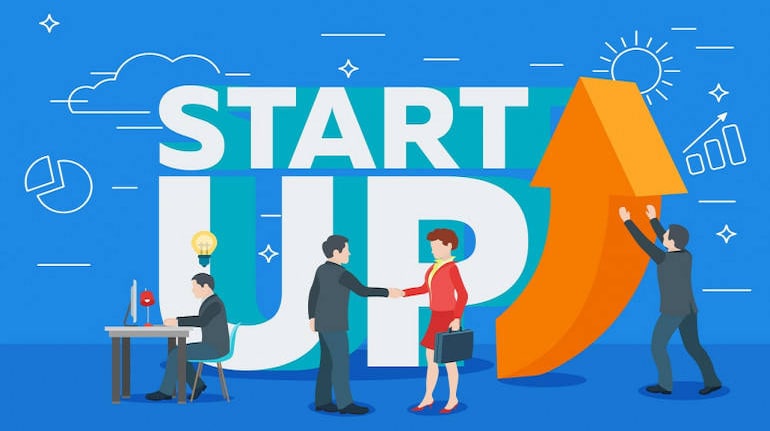
"The Pros and Cons of Bootstrapping vs. Seeking Funding for Your Startup"
Starting a new business can be an exciting and challenging venture. One of the crucial decisions entrepreneurs face is determining the best way to fund their startup. While some prefer bootstrapping, relying on personal savings and revenue generated by the business, others seek external funding through investors or loans. In this blog, we will explore the pros and cons of bootstrapping and seeking funding for your startup, weighing the advantages and disadvantages to help you make an informed decision.Bootstrapping: Learning and Growing on Your OwnBootstrapping refers to building and growing your startup with limited external resources, often relying on personal finances, revenue reinvestment, and cost-effective strategies. Here are the pros and cons of bootstrapping:Pros:Autonomy and Control: By bootstrapping your startup, you retain full control over the decision-making process, allowing you to shape your business according to your vision and values.Flexibility: Bootstrapping allows you to be agile and adaptive, as you can quickly pivot your business model or make adjustments based on market feedback, without external pressures or obligations.Lean Operations: With limited resources, you become resourceful and learn to do more with less. This promotes efficiency and helps you prioritize expenses, ensuring every dollar spent contributes directly to the growth of your business.Free Learning Platforms and Online Courses: Bootstrapping encourages self-education and continuous learning. Take advantage of free learning platforms and online courses to enhance your knowledge and skills in areas such as e-commerce, SEO, and other business essentials.Cons:Limited Capital: The main challenge of bootstrapping is the limited access to capital. This can restrict your ability to invest in technology, talent acquisition, marketing campaigns, or other growth initiatives that require significant upfront costs.Slow Growth: Without substantial funding, your startup's growth trajectory may be slower compared to funded counterparts. Limited resources can constrain your scalability and hinder your ability to seize immediate market opportunities.Increased Risk: As an entrepreneur, you bear a greater personal financial risk when bootstrapping. If your startup fails, you may face significant financial setbacks and potentially exhaust personal savings.Seeking Funding: Accelerating Growth with External SupportSeeking funding involves securing financial backing from investors, venture capitalists, or through loans. Let's explore the advantages and disadvantages of seeking funding for your startup:Pros:Access to Capital: Funding enables you to secure the necessary capital to invest in critical resources, accelerate product development, expand marketing efforts, and scale your business more rapidly.Networking and Expertise: Investors often bring valuable industry experience, networks, and mentorship to the table. Their guidance can help you navigate challenges, make strategic decisions, and open doors to new opportunities.Faster Market Penetration: With sufficient funding, you can enter the market with a strong presence, gaining a competitive edge and increasing your chances of success.Business Validation: Attracting external funding can serve as a validation of your startup's potential, boosting your credibility in the eyes of customers, partners, and other stakeholders.Cons:Loss of Control: By accepting external funding, you may relinquish a certain degree of control over decision-making and the direction of your business. Investors may have different priorities or expectations that can impact your autonomy.Dilution of Ownership: Equity-based funding often involves giving up a percentage of ownership in your company. This dilution can diminish your overall stake in the business and potentially limit your long-term financial gains.Stringent Expectations: External investors typically have profit-driven objectives and expect a return on their investment within a specific timeframe. This may result in added pressure and short-term focus
More detailsPublished - Wed, 14 Jun 2023
Created by - Yashraj Gautam
"Why Failure is Essential to the Success of Your Startup"
Launching a startup is an exhilarating journey, filled with countless challenges and potential pitfalls. As an aspiring entrepreneur, you may dream of seamless success, but it's crucial to recognize the importance of failure along the way. In fact, failure can be a valuable teacher, providing essential lessons that pave the path to success. This blog explores why failure is an essential ingredient in the recipe for startup success, and how embracing it can help you grow your ecommerce business. Additionally, we'll highlight the role of online learning platforms, such as free ecommerce courses, in enhancing your knowledge and skill set to overcome obstacles. Let's delve into the topic!Failure as a Learning Opportunity:Failure is often viewed as something negative, but in reality, it's a powerful learning tool. When you encounter setbacks, mistakes, or unanticipated challenges, it's an opportunity to assess what went wrong and gain invaluable insights. Analyzing failure helps you identify weaknesses, refine your strategies, and build resilience, ultimately leading to a stronger and more successful business.Overcoming Fear of Failure:Fear of failure can be paralyzing for entrepreneurs. However, viewing failure as a stepping stone to success can help alleviate this fear. Understand that even the most successful entrepreneurs have experienced failure multiple times before achieving greatness. Embrace failure as a natural part of the entrepreneurial journey, and use it as motivation to push forward, learn, and adapt.Adaptability and Innovation:Startups operate in a dynamic and ever-evolving landscape. Embracing failure allows you to be more adaptable and open to change. When things don't go as planned, it encourages you to pivot, explore new ideas, and innovate. This adaptability enables you to stay ahead of the competition and identify opportunities that may have otherwise been overlooked.Testing and Iteration:Failure provides the opportunity to test assumptions and hypotheses. Through trial and error, you gain a deeper understanding of your target market, customer preferences, and product-market fit. Each failure is a chance to iterate and refine your offerings, ensuring that you are constantly improving and delivering value to your customers.Leveraging Online Learning Platforms:To navigate the challenges of entrepreneurship, continuous learning is essential. Online learning platforms offer a wealth of knowledge and resources that can help you acquire new skills and stay up-to-date with industry trends. Seek out free ecommerce courses, SEO courses, and other relevant online courses to expand your expertise. By investing time in learning, you equip yourself with the tools necessary to navigate obstacles and make informed decisions.Learning from Industry Gurus:Online learning platforms often provide access to industry experts and successful entrepreneurs who share their experiences and insights. Learning from these gurus can be immensely valuable, as they offer practical advice and strategies based on their own failures and triumphs. Their expertise can guide you in making informed decisions, avoiding common pitfalls, and accelerating your startup's growth.Building a Network and Collaboration:Failure can be isolating, but it doesn't have to be. Online learning platforms foster communities of like-minded individuals, creating opportunities for collaboration, mentorship, and support. Engaging with other entrepreneurs and professionals in your industry allows you to share experiences, gain different perspectives, and build a strong support network. Learning from the failures of others can save you from making the same mistakes and provide a sense of camaraderie on your entrepreneurial journey.Conclusion:In the entrepreneurial world, failure is not an obstacle to success but an essential stepping stone. Embracing failure as a valuable learning opportunity enables you to refine your strategies, adapt to changing circumstances, and foster innovation.
More detailsPublished - Wed, 14 Jun 2023
Search
Popular categories
Ecommerce Trends
239Business
54Marketing
37Website
23Social Media
22Courses
21Latest blogs
The Power of Email Marketing in eCommerce
Fri, 15 Mar 2024

Tips for Optimizing Product Pages for Conversions
Thu, 14 Mar 2024
Mastering SEO for eCommerce Websites
Wed, 13 Mar 2024
Write a public review