Created by - Yashraj Gautam
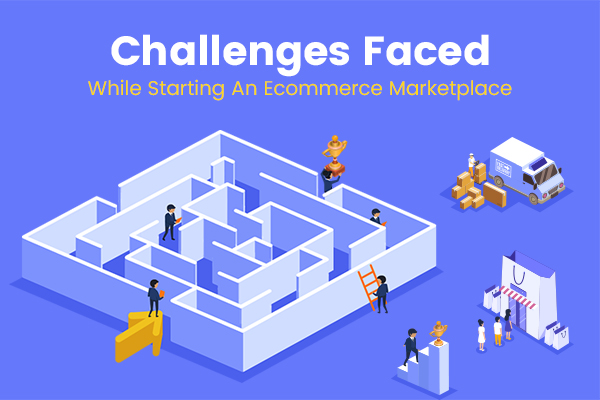
Upcoming Challenges For E-Commerce Startups In 2020
Nowadays, E-Commerce Industry is growing at a very fast pace.It’s one of the best ways so that most of the people can shop anything through the e-commerce store by sitting under one roof.If we look behind, An E-Commerce Retail Sales amounted to over $340 billion in 2015. The total sales are projected to be double that amount in this last year (2019). It means more people are getting to know about this industry and some are still trying by carve a niche for themselves by opening up online retail stores. The newcomer is bound to face some challenges in this e-commerce industry so he or she should get free assistance on e-commerce first before opening up an online retail store.There are usually four major challenges faced by a newcomer in the E-Commerce Industry.1) Direct Competition with Other Big Brands: When you enter this e-commerce industry you have to face direct competition with other big brands like Amazon, eBay, and other online retail stores. Amazon is going to establish its own identity as every year passes in both popularity and sales. Amazon, eBay, and other online retail stores are giant stores. So, the solution to this problem is to avoid direct competition with the giant stores and advised you to choose a less competitive niche and grow your business step by step.2) Manage Shipping, Delivery, and Returns: If we talk about the shipping, delivery, and Returns then it’s very difficult for a newcomer who recently comes in this industry. Many of the online shoppers also complain about the quality of the product after delivery and payment of that product so, companies will go out of their way to provide their customers with the best services to stay tuned in the business.3) Expensive Marketing and Advertisement: Digital Marketing and advertisement is getting expensive every day with the increasing competition. Most of the newcomers made a similar mistake to spend their entire budget on web development in the starting and ignore the other aspect of the marketing. All your company expenses should be documented and properly verified to ensure their requirements. To save your budget you can start with free e-commerce platforms. You should also do other activities along with digital marketing activities like rewarding customers with points that can be redeemed and use on your company and discount is also one of the best ways so that your customers coming back at your website.4) Staying Up to Date: You have to stay up to date with the new creative ideas as Amazon, eBay and other online stores do. One of the best ways to tackle this challenge is to team up with the latest technologically advance partners who share the same vision for your new start company and will work equally hard to keep you up to date.Conclusion: All of us agree with this thing that newcomers along with other giant online retail stores confront the challenges in this e-commerce industry. But how you manage to overcome these challenges, tell a lot about your competency and readiness to take on and run a business that its profit runs in millions.
More detailsPublished - Sat, 03 Jun 2023

Created by - Yashraj Gautam
Myntra Mall- India’s First Digital Mall
Myntra launches a digital mall, allowing shoppers on its app to experience the official brand stores (OBS) of different brands. It combines the offline mall experience, where buyers choose to visit the brand stores for a complete offering review, with the convenience of being online. This one-stop digital destination provides a concentrated discovery process for consumers.As e-tailers Flipkart, Myntra, Amazon, and Reliance Retail Ltd make a rush to develop as the top players, ramping up alliances with offline retailers, which continue to be disrupted by the pandemic, India’s fashion retail landscape is rapidly shifting.The Myntra Mall will bring to the fore countless possibilities for brands to acquire and engage customers efficiently and creatively, particularly now, Ramani added, when going to malls has slowed down.Myntra Mall currently has 30 brands with their personalized ‘official brand stores’, a combination of online and offline. It will have 60 brands and 1 million regular visits by the end of 2021, according to Myntra.This month, it was released ahead of the flagship’ end of reason sale’ (EORS). The Myntra-Mall’s features and widgets, conceptualized and built in-house, including those directed at customization and recommendation, smooth the user experience to create a top-to-toe look with their top products, removing the need to search multiple pages and use filters to access the goods.According to Indian media reports, shoppers will easily navigate numerous deals from their brand of choice, including new releases, latest range, best offers, bestsellers, everyday categories, and latest trends, in addition to embedded capability.Like other e-commerce sites, to create greater synergy, Myntra has also been aggressively introducing offline brands, even as shopping malls increasingly open up. Big offline distributors have also been heavily dependent on online presence to raise revenue.Myntra will expand space within the digital mall to provide an ‘official brand shop’ for interested brands, the company said.In addition to auto-refresh content from the product catalogue of a brand at regular intervals, the platform would also give them a degree of control over the design, content, and experience.E-tailers are actively introducing value-focused brands, forging strategic online-offline alliances, and boosting private labels. With approximately 50 This year, million first-time consumers anticipated shopping online, with apparel being the first touchpoint on e-commerce platforms.Like other e-commerce businesses, to build greater synergy, Myntra mall’s first offline store has also been successfully onboarding offline brands, even as shopping malls increasingly open up. Big offline distributors have also been heavily dependent on online presence to raise revenue.Conclusion:It is a major evolutionary innovation that helps brands present their products in a more organized form, to create equity with millions of people and win their loyalty. Myntra-Mall aims to provide brand-conscious consumers with the best deals from the brands directly displayed among a host of other features with the ease of shopping online. Enabled by Myntra’s deep analytics that shows that 35 percent of searches have brand words inside them, the proposal’s scale-up is expected to transform the online shopping experience of customers.
More detailsPublished - Tue, 06 Jun 2023
Created by - Yashraj Gautam
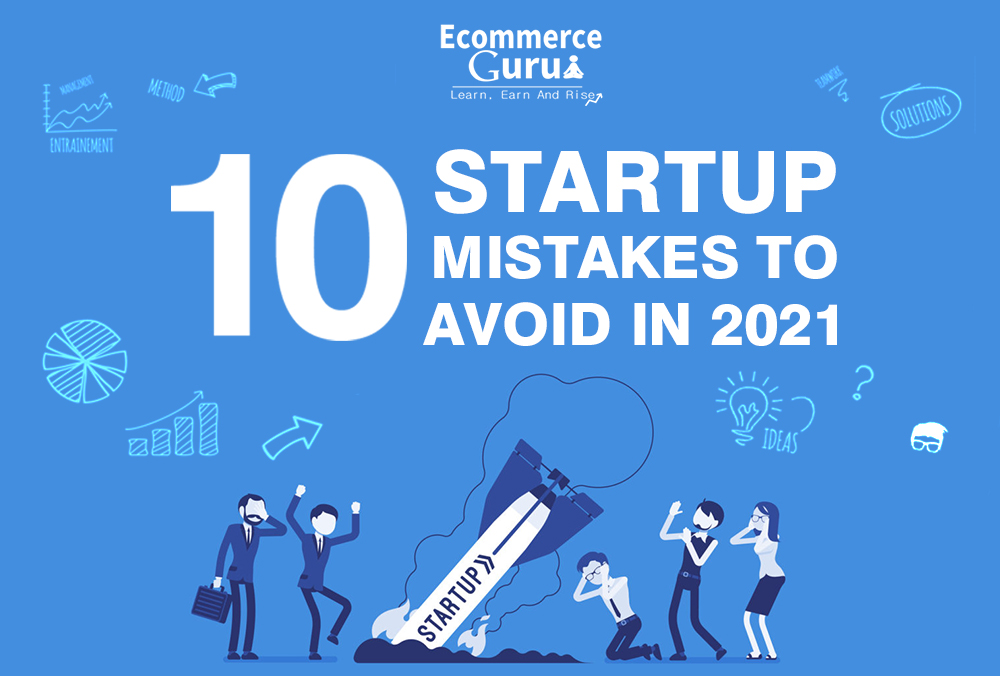
Top 10 Startup Mistakes To Avoid In 2021
Building a startup is a journey that might initially look easy but when you fall into it you will realize that it is way tougher. Entrepreneurs are not born overnight and they need to hustle, avoid mistakes and constantly pay effort to make their startup reach its destination.On your journey, you will come across myriad situations where you need to make decisions that could determine whether you will succeed or have to face failure. According to a survey, nine startups among ten face failures and they face a 20% failure rate in the year of initiation. Most of the startups indeed fail but that’s not why you should hold back on your dreams. Avoiding the mistakes that rest do can help your startup succeed with flying colors. This article talks about all these startup mistakes to avoid.List of Top 10 startup mistakes to be avoided to be successful:Poorly designed business plan:The most common thing that was found among all the startups that failed was either a no business plan or a poorly designed one. You must possess a written business plan to execute shortly. Think of your business to be a journey and all you need to do is plan it perfectly for a smooth experience and better results. Plan your business considering aspects like target audience, competitors, and products.Being not flexible to the changes:Changes are popping up everywhere and every day even in the algorithm of search engines. Hence even if you have a solid business plan it must be flexible enough to adapt to the changes going on. Many startups ignore adapting to changes and have to face failure within no time. Get a backup plan that can assist you when the original one fails.Handling everything on your own:When you build a startup you feel energetic and start doing everything on your own. You play each role all by yourself and get huge stress on your head to save a bit of money. A startup has many aspects to look after that cannot be handled by a single human. Be a two-man army and get a co-founder for your startup to avoid the stress that is one of the mistakes to avoid when starting a business getting the training before starting is a must to know more about the startup business training please check the link.The same boring stuff:Customers come to you when you offer unique services in the industry. If you serve the usual products to the customers that your competitors already do, you will surely fail. Give your potential customers an advantage so that they can buy from you. Get a thorough overview of what your rivals offer to serve better.Too high or too low value:The toughest task while you build a startup is deciding prices for your commodities and services. And this is not only an issue with startups but with reputed companies too. Get knowledge of the industry and pricing to make it easier. And have a good pricing plan so that you can get better investments.Illogical investment:While you are starting with a huge sum or with a very low amount, investing in invaluable things that aid business growth is important. Think that your startup needs a luxurious office or a better marketing strategy. Invest in useful resources rather than wasting money.Expecting rapid growth:As mentioned above, startups are journeys that lead to a destination. And journeys need time to complete, a startup needs lots of effort and valuable decisions to succeed. Just simply investing won’t do the job. You need to have patience and let the hard work pay off. You cannot expect growth overnight. Initiation at wrong time and situation:Failure of your startup might be because you have launched it too early and people are not yet educated enough to understand it. Also, it might fail because of a lack of resources to sustain in the market and you have without thinking of it initiated at the wrong time. Learnability to understand the changes and start at the right time.Not understanding customer needs:Startups avoid the most important part of their success that is customers. Understand what they desire and build your brand according to it. Also, acknowledge your customers and make them feel important to succeed. Not trying hard:With facing failure, startup owners tend to give up and not try. They give up on the fight and do not intend to learn from it. Be adaptable to change and have the courage to stand up after a failure. Conclusion:When you decide to launch a startup, do anything that takes to succeed. Have a look at both successful and failed startups to realize what you need to do. Avoid the business startup mistakes mentioned above to ensure you safely launch and maintain your dream of a startup.
More detailsPublished - Wed, 07 Jun 2023

Created by - Yashraj Gautam
Maytree Success Story: How Empowering Students (Startups) Made Maytree School
A Patna-based School of Entrepreneurship led by Rohit Kashyap, the Founder and the CEO, started in 2019, focused on providing business education and not just education; unlike most teaching institutions, Maytree offers various career options and guidance to the students post-completion of the course. As a result, thousands of students and professionals from more than 20 countries have joined the program, believing in their vision of transforming traditional education. Maytree School of Entrepreneurship is currently open in Delhi, Noida and Patna.Why And How Did The Idea Of Maytree Come Into Existence?As we all know, the pressure of Boards exams in India has grown into a do-or-die event which makes students go through a lot of stress and anxiety. When Rohit was just 18, he was approached by his friends for career-related guidance, which inspired him to step forward. And due to his great teaching and mentor skills, he got hundreds of calls within a short period of his “Call pai charcha with Rohit Kashyap” initiative, where people joined him and discussed their problems.After a few successful online programs, he decided to start giving business education to his institution, which he named Maytree School of Entrepreneurship. It mainly focuses on Entrepreneurship, Digital Marketing, Personal branding is more than 500 colleges across India.The United Nations Appreciated Rohit’s Relentless Efforts.A few months back, he was awarded by the United Nations for his zealous attitude of providing education even to those who possess the will to learn but lack the resources. As a result, he was given KARAMVEER CHAKRA, the global civilian honour given by the international confederation of NGO(iCONGO) in partnership with the United Nations. This award is a tribute to India’s former late President A.P.J. Abdul Kalam.“Before setting up Maytree, I thought of starting my own business, but due to various causes, my entire business collapsed, and I had to move forward. And here the actual entrepreneur mindset comes into the game; I didn’t step back and decided to begin with a new journey where I thought of providing a better business education and other resources to the people, who are planning to step in this field”,Rohit saidWhat Maytree Does?Since its inception, Maytree has mentored more than 1,200 students worldwide and incubated more than 50 revenue-generating startups. Maytree charges upfront Rs. 4,999 for its group mentorship one-to-one program or an additional fee if a startup requires more assistance in the future. The academy also acquires small equity in other startups that varies from company to company. Maytree’s Aspirations and Funding PlansMaytree School of Entrepreneurship is bootstrapped, around 4 million have already been invested and more to be invested by the committed partners. The major future plan of the academy is to train more than 1 million students. Rohit and his team have stressed the expansion of Maytree, as they see potential in their Idea of transformation of education. Therefore, it can be expected that Maytree might achieve its goals within a very short period.
More detailsPublished - Thu, 08 Jun 2023

Created by - Yashraj Gautam
Payoff For India’s Unicorn Revolution: How Unicorns Are Lifting The India’s Startup
India got its 100th Unicorn company in 2022 when Open, a neobanking fintech portal, secured new heights, boosting its worth to over 1 billion US dollars.As of now, India has made it the world’s fastest-growing startup ecosystem. Unicorn eCommerce startups are becoming more popular in today’s competitive world, yet, creating a unicorn startup is not easy. Climbing the unicorn ladder takes a lot of hard work, devotion, and perseverance throughout the eCommerce startup’s journey. But the way Indian startups are gaining momentum- it’s just a thrill to watch. We will review the current Indian ecosystem valuation and what future ambitions the Indian administration is looking to add. Let’s first talk about the ones who have earned the moniker of unicorns are also described in this article.Here we have the list of 100 Unicorn Companies 2022:Startup NameFounded InHeadquartersCurrent ValuationFoundersOpen2008Bengaluru1 billionAjeesh Achuthan, Anish Achuthan, Deena Jacon, Mabel ChackoLEAD School2012Mumbai1 billionSmita Deorah, Sumeet MehtaUdaan2016Bengaluru3 billionSujeet Kumar, Amod Malviya, Vaibhav GuptaLenskart2010New Delhi2 billionPeyush Bansal, Amit Chaudhary, Sumeet KapahGrofers2013Gurugram1 billionAlbinder Dhindsa, Saurabh KumarMohalla Tech2015Bengaluru2 billionAnkush Sachdeva, Farid AhsanMakeMyTrip2000Gurugram3 billionDeep KalracoinDCX2018Mumbai1 billionNeeraj Khandelwal, Sumit GuptaInMobi2007Bengaluru12 billionAbhay Singhal, Amit Gupta, Mohit Saxena, Naveen TewariFlipkart2007Bengaluru38 billionBinny Bansal, Sachin BansalBharatPe2018New Delhi3 billionAshneer Grover, Bhavik Koladiya, Shashvat NakraniPhonePe2015Mumbai6 billionBurzin Engineer, Rahul Char, Sameer NigamOLA Cabs2010Bengaluru7 billionBhavish Aggarwal, Ankit BhatiSwiggy2014Bengaluru7 billionNandan Reddy, Sriharsha Majety, Rahul JaiminiZomato2008Gurugram8 billionDeepinder Goyal, Pankaj ChaddahFreshworks2010California5 billionGirish Mathrubootham, Shan Krishnaswamy, Vijay ShankarBYJU’S2011Bengaluru17 billionByju Raveendran, Divya GokulnathOYO Rooms2013Gurugram11 billionRitesh AggarwalMoglix2015Noida2 billionRahul GargDream112008Mumbai5 billionBhavit Sheth, Harsh JainPolicybazaar2008Gurugram3 billionYashish Dahiya, Alok Bansal, Avaneesh NirjarupGrad2015Mumbai2 billionMayank Kumar, Phalgun Kompalli, Ravijot Chugh, RonniNykaa2012Mumbai3 billionFalguni NayarPine Labs1998Noida3 billionRajul Garg, Tarun UpadayOfBusiness 2015California1 billionAsish Mohapatra, Bhuvan Gupta, ShareChat2015Bengaluru3 billionAnkush Sachdeva, Bhanu Pratap SinghVerse Innovation 2007Bengaluru3 billionUmang Bedi, Virendra GuptaMyGlamm2015Mumbai1 billionDarpan Sanghvi, Priyanka GillInnovaccer2014California1 billionSandeep GuptaCRED 2018Bengaluru2 billionKunal SinghOla Electric2017Bengaluru1 billionAnkit Jain, Anand ShahFirstCry2010Pune1 billionSupam Maheshwari, Amitava Saha, Prashant Jadhav, Sanket HattimatturGlance2019Bengaluru1 billionNaveen TewariDailyhunt2007Bengaluru1 billionUmang Bedi, Umesh Kulkarni, Virendra GuptaZenoti2010Washington1 billionDheeraj Koneru, Saritha Katikaneni, Sudheer KoneruRazorPay2014Bengaluru3 billionHarshil Mathur, Shashank KumarUnacademy2015Bengaluru4 billionGaurav Munjal, Hemesh Singh, Roman Saini, Sachin GuptaCitiusTech2005New Jersey1 billionJagdish Moorjani,Rizwan KoitaRivigo2014Gurugram2 billionDeepak Garg, Gazal KalraDruva2008California2 billionJaspreet Singh, Milind Borate, Ramani KothandaramanMindtickle2011California1 billionDeepak Diwarkar, Krishna Depura, Mohit Garg, Nishant MungaliMatic Network / Polygon2018Mumbai10 billionAnurag Arjun, Jaynti Kanani, Mihailo Bjelic, Sandeep NailwalDelhivery2011Gurugram1 billionBhavesh Manglani, Kapil Bharati, Mohit Tandon, Sahil Barua, Suraj Saharan Billdesk2000Mumbai5 billionAjay KaushalMu Sigma2004Bengaluru1 billionDhiraj C RajaramApna2019Bengaluru1 billionNirmit ParikhMPL2018Bengaluru2 billionSai Srinivas Kiran G, Shubh Malhotra, Shubham MalhotraLicious2015Bengaluru1 billionAbhay Hanjura, Vivek GuptaCoinSwitch Kuber2017Bengaluru2 billionAshish Singhal, Govind Soni, Vimal Sagr TiwariVedantu2011Bengaluru1 billionVamsi Krishna, Pulkit Jain, Saurabh Saxena, Anand PrakashCarDekho2007Jaipur1 billionAmit Jain, Anurag JainMobiKwik2009Gurugram1 billionBipin Singh, Upasana Taku, Chandan JoshiAcko2016Mumbai1 billionRuchi Deepak, Varun DuaNoBroker 2014Bengaluru1 billionAkhil Gupta, Amit Kumar Aggarwal, Saurabh GargSpinny2015Gurugram2 billionMohit Gupta, Niraj Singh, Ramanshu MahaurPristyn Care 2018Gurugram1 billionHarsimarbir singh, Dr. Garima Sawhney, Vaibhav KapoorSlice2016New York1 billionDeepak Malhotra, Rajan BajajGupshup2004California1 billionBeerud ShethDarwinbox2015London1 billionChaitanya Peddi, Jayanti Paleti, Rohit ChennamaneniDealShare2018Bengaluru2 billionRajat Shikhar, Sankar Bora, Sourjyendu Medda, Vineet RaoElasticRun2015Pune1 billionSandeep Deshmukh, Saurabh Nigam, Shitiz BansalLivspace2014Bengaluru1 billionAnuj Srivastava, Ramakant Sharma, Shagufta AnuragGames 24×72006Mumbai2 billionBhavin Pandya, Trivikraman ThampyCars242015Gurugram1 billionGajendra Jangid, Mehul Agrawal, Ruchit Agrawal, Vikram ChopraEruditus2010Singapore2 billionAshwin Damera, Chaitanya KalipatnapuChargebee2011San Francisco1 billionKrish SubramanianXpressbees2015Pune1 billionAmitava Saha, Supam MaheshwariBrowserStack2011Mumbai4 billionRitesh Arora, Nakul AggarwalZetwerk2019Bengaluru1 billionAmrit Acharya, Rahul Sharma, Srinath Ramakkrushnan, Vishal ChaudharyBlackbuck2015Bengaluru1 billionChanakya Hridaya, Rajesh Yabaji, Ramasubramaniam BDroom2014Gurugram1 billionSandeep AggarwalPostman2014San Francisco6 billionAbhijit Kane, Abhinav Asthana, Ankit SobtiRebel Foods2011Mumbai2 billionJaydeep Barman, Kallol BanerjeeBig Basket2011Bengaluru1 billionHari Menon, V.S. SudhakarNoBroker2014Bengaluru1 billionAkhil Gupta, Amit Kumar Aggarwal, Saurabh GargIcertis2009Washington3 billionMonish Darda, Samir BodasMensa 2021Caythorpe1 billionAnanth Narayanan, Pawan Kumar DasarajuCure.fit2016Bengaluru2 billionAnkit Nagori, Mukesh BansalHasura2017San Francisco1 billionRajoshi Ghosh, Tanmay Uniphore2008Chennai2 billionRavi Saraogi, Umesh SachdevGlobalBees2021New Delhi2 billionNitin Aggarwal, Supam MaheshwariMeesho2015Bengaluru3 billionVidit Aatrey, Sanjeev BarnwalFive Star Business Finance1984Chennai1 billionV.K. RanganathanZerodha2010Bengaluru2 billionNithin Kamath, Nikhil KamathCommerceIQ2012California1 billionGuru HariharanAmagi2009New York1 billionBaskar Subramanian, Srinivasan KA, Srividhya SrinivasanCredAvenue2017Chennai1 billionKunal ShahOxyzo2017Gurugram1 billionAsish Mohapatra, Ruchi KalraZeta2015Mumbai1 billionBhavin Turakhia, Ramki GaddipatiGroww2017Bengaluru1 billionLalit Keshre, Harsh JainPaytm Mall2017Noida3 billionVijay Shekhar SharmaReNew Power2011Gurugram8 billionSumant SinhaUpstox2010Mumbai3 billionRaghu Kumar, Ravi Kumar, Shrinivas VishwanathMamaearth2016Gurugram1 billionVarun, Ghazal AlaghFractal Analytics2000New York2 billionRamakrshna Reddy, Pranay Aggarwal, Srikanth VelamakanniQuikr2008Bengaluru1 billionPranay ChuletHike2012New Delhi1 billionKavin Bharti MittaShopclues2011Gurugram1 billionSanjay Sethi, Radhika Aggarwal, and Sandeep AggarwalHighradius2006Houston3 billionSashi NarahariPharmeasy2015Mumbai2 billionMikhil Innani, Dharmil Sheth, Dhaval ShahUrban Company2014Gurugram2 billionAbhiraj Bhal, Varun KhaitanInfra Market2016Mumbai2 billionSouvik SenguptaDigit Insurance2017Bengaluru3 billionKamesh GoyalPaytm2010Noida16 billionVijay Shekhar SharmaUdaan 2016Bengaluru3 billionSujeet Kumar, Amad Malviya, Vaibhav GuptaNote: Please note that all figures in the table are approximations and may vary.Mr Piyush Goel, Hon’ble Commerce and Industry Minister of India, seemed highly gratified with the current performance of the Indian startup ecosystem. He tweeted, “India hits a century in style” after completing the Bengaluru-based neo banking startup “Open”. India Now Officially Grabs The Fourth Spot In Terms Of Global Unicorns After ChinaLast year in 2021, India surpassed the fourth rank by beating the United Kingdom(39) with 54 by December. It is fully motivated and appreciated by the efforts made by the government officials and certainly by the companies themselves.It was challenging to break the momentum this time, and thus we are here to read about a new high crossed by the Indian startup ecosystem. Was This Mark Achieved Overnight?“Absolutely Not”Any achievement requires strong efforts, and this shows how severe and rigorous the Government Of India has been over the years to gain this position. The Government of India launched various critical small business or eCommerce startup initiatives like the most popular ‘Startup India, Stand-up India’ campaign to help entrepreneurs build their businesses. The Government of India has recognized over 65,000 startups as of February 2022, with over 50,000 firms reporting 13 lakh job creations.But There’s A CatchAccording to a VCCircle investigation, about a fifth of them is also established overseas for business, tax, and regulatory reasons. However, this study only looks at unicorn startups that were formerly private. The majority of these so-called unicorns are now not only publicly traded, but some are also no longer unicorns.Last WordsEven though we’re still in the early stages of the unicorn revolution, it’s clear that India’s market has geared up to become an international leader with its unicorn company in 2022. Some stereotypes come about their views on Indian startups, but perhaps there are significant hurdles that the Indian startup ecosystem is likely to succeed.There are plenty of Indian companies and entrepreneurs who are still trying to prove naysayers wrong. As more investments pour into India’s startup industry, this will likely continue to be a growing trend.Not just this, but the Indian Unicorn Revolution seems to cross the China & USA ultimate mark with its expeditious startup growth rate.
More detailsPublished - Fri, 09 Jun 2023

Created by - Yashraj Gautam
10 Trending Online Courses Every Startup Business Should Take
Starting a business can be an exciting and challenging endeavor. It requires a great idea, A solid business plan, and a wide range of skills and knowledge to succeed in today’s competitive business environment.Start with a solid business plan: A business plan is a roadmap that outlines your goals, strategies, and financial projections. It’s essential to have a clear understanding of your target market, competition, and revenue model before you launch your business.Focus on your core product or service: When starting a business, it’s crucial to focus on what you do best. Trying to offer too many services or products at once can dilute your brand and confuse your customers. Instead, focus on your core product or service and build your brand around it.Identify your target market: Knowing your target market is essential for developing effective marketing strategies and creating products that meet your customers’ needs. Conduct market research to identify your ideal customer, their pain points, and their buying habits.Build a strong online presence: In today’s digital age, having a strong online presence is critical for any business. Build a website, create social media profiles, and invest in online advertising to reach your target audience.Network and build relationships: Networking is essential for startup success. Attend industry events, join networking groups, and connect with other entrepreneurs to build relationships and gain valuable insights.Seek mentorship: Finding a mentor who has experience in your industry can provide invaluable guidance and support. Look for someone who has been successful in your field and is willing to share their expertise.Focus on customer service: Excellent customer service is essential for building a loyal customer base and increasing customer retention. Make sure your team is trained to handle customer inquiries and complaints promptly and professionally.Manage your finances: Managing your finances is critical for startup success. Keep track of your expenses, maintain accurate financial records, and seek funding when necessary.Continuously innovate and adapt: The business world is constantly evolving, and startups must be prepared to adapt and innovate to stay ahead of the competition. Continuously evaluate your products, services, and strategies to ensure they meet your customers’ needs and expectations.Stay motivated and persistent: Starting a business is a challenging journey, but staying motivated and persistent can help you overcome obstacles and achieve your goals. Celebrate small victories, learn from failures, and stay committed to your vision.Fortunately, the rise of online learning has made it easier than ever for startup founders to gain the expertise they need to succeed. In this blog post, we’ll highlight 10 trending online courses that every startup business should take to master essential business skills for success.Digital Marketing: In today’s digital age, having a strong online presence is crucial for any business. This course teaches the fundamentals of digital marketing, including search engine optimization (SEO), social media, content marketing, and email marketing. With this course, you will learn how to drive traffic to your website, build brand awareness, and generate leads.Business Strategy: This course focuses on developing a solid business strategy that will guide your company’s growth and success. Topics covered include industry analysis, competitive analysis, and strategic planning. With this course, you will learn how to identify your target market, create a unique value proposition, and differentiate your business from competitors.Financial Management: Understanding financial management is critical for any business. This course covers financial statements, budgeting, forecasting, and cash flow management. With this course, you will learn how to manage your finances effectively, make informed financial decisions, and create a sustainable financial plan for your business.Leadership: Leadership skills are essential for any business owner. This course covers the basics of leadership, including communication, motivation, and team building. With this course, you will learn how to inspire and motivate your team, delegate tasks effectively, and create a positive work environment.Product Management: This course teaches entrepreneurs how to develop and manage successful products. Topics covered include market research, product development, and product launch strategies. With this course, you will learn how to identify customer needs, create a product roadmap, and bring your product to market successfully.Data Analytics: Data is becoming increasingly important for businesses of all sizes. This course covers the basics of data analytics, including data collection, analysis, and visualization. With this course, you will learn how to use data to make informed business decisions, identify trends and patterns, and gain insights into customer behavior.Project Management: As a startup founder, you’ll need to manage projects effectively to ensure your business stays on track. This course covers the principles of project management, including planning, execution, and monitoring. With this course, you will learn how to set goals, manage resources, and deliver projects on time and within budget.Sales: Every business needs sales to survive. This course covers sales techniques, customer relationship management, and sales forecasting. With this course, you will learn how to develop a sales strategy, build relationships with customers, and close deals effectively.Human Resources: Managing human resources can be a complex task. This course covers the basics of HR, including hiring, performance management, and employee relations. With this course, you will learn how to attract and retain top talent, create a positive workplace culture, and comply with employment laws and regulations.Entrepreneurship: This course covers the essentials of entrepreneurship, including developing a business plan, securing funding, and managing risk. With this course, you will learn how to validate your business idea, create a viable business plan, and secure funding to launch and grow your business.ConclusionThese top 10 online courses are essential for any startup founder who wants to master essential business skills for success. By investing in your education and taking these courses, you will gain the knowledge and skills you need to build a successful and sustainable business. With the help of these courses, you can develop a strong digital presence, create a solid business strategy.
More detailsPublished - Mon, 12 Jun 2023

Created by - Yashraj Gautam
Start A Startups Business in Just 8 Simple Steps. How to transform Your Idea into a...
Starting a startup business can be a daunting task, but it doesn’t have to be.With the right resources and guidance, anyone can turn their idea into a successful venture.In this blog, we will take you through 8 simple steps to start an eCommerce business.Step 1: Identify your nicheThe first step to starting any business is to identify your niche. Look for areas where there is a demand and you can provide a unique offering. You could look for gaps in the market, or areas where you have a particular expertise.Step 2: Research your marketOnce you have identified your niche, research the market to understand the competition, pricing, and customer needs. This will help you identify potential opportunities and gaps in the market.Step 3: Create a business planA business plan is crucial for any business. It will help you map out your strategy, understand your finances, and identify potential challenges. There are many free templates available online to help you create a business plan.Step 4: Choose your eCommerce platformThere are many eCommerce platforms available, such as Shopify, WooCommerce, and Magento. Choose a platform that suits your needs and budget.Step 5: Learn eCommerce business hacksTo succeed in eCommerce, you need to know the hacks and tricks that can help you stay ahead of the competition. Look for online courses, such as a free eCommerce course or Ecommerce Guru, who can provide you with valuable insights.Step 6: Optimize your website for SEOSearch Engine Optimization (SEO) is crucial to ensure your website is visible on search engines. Look for a free SEO course or a trending online course to learn the basics of SEO.Step 7: Set up your social media accountsSocial media is a powerful tool to promote your eCommerce business. Set up accounts on platforms such as Facebook, Instagram, and Twitter, and create a content strategy to engage with your audience.Step 8: Continuously learn and improveThe world of eCommerce is constantly evolving, and it’s essential to keep up with the latest trends and technologies. Look for an online learning platform or free learning platform that offers courses in eCommerce and related topics.How to Transform Your Idea into a Successful Startup?Transforming an idea into a successful startup requires a lot of effort, planning, and execution. Some of the key steps to make your idea a successful startup are:Conduct market research to identify gaps and opportunities in the market.Develop a business plan that outlines your business goals, strategies, and financial projections.Build a team of skilled and dedicated individuals who share your vision.Secure funding from investors, loans, and crowdfunding.Develop a Minimum Viable Product (MVP) and launch it in the market.Get feedback from customers and iterate based on their feedback.By following these steps and staying focused on your goals, you can turn your idea into a successful startup.Conclusion:Starting an eCommerce business can seem overwhelming, but with these 8 simple steps, you can turn your idea into a successful venture. Remember to continuously learn and improve, and don’t be afraid to seek guidance from experts and peers. Good luck with your startups business!
More detailsPublished - Mon, 12 Jun 2023

Created by - Yashraj Gautam
10 Tips To Keep In Mind For All Startups Business
Check out all these 10 Tips To Keep In Mind For All Startups Business. An ecommerce business owner must identify a problem, evaluate the need for a solutionAlmost everyone has considered starting a new business at some point in their lives. However, making it a thriving one or keeping the idea alive is a difficult task. You should seize every opportunity to give your new business the best possible chance of success. Before going on the journey, an ecommerce business owner must identify a problem, evaluate the need for a solution and whether it is profitable, and then offer services in the market. Simplify your business ideaIn today’s extremely competitive environment, standing out from the crowd is a difficult task. As a business owner, you must be crystal clear about your business concept, purpose, and the economic worth of the product or service you intend to market.All new entrepreneurs must conduct extensive market research and narrow down their options. Often, businesses begin well but fail within the first year because startups business attempt to diversify their brand base by taking on too many new products. This may appear to be a smart concept, but it frequently backfires due to a lack of clarity or a perception of superiority in one field.Provide A SolutionInstead of thinking about what you want to sell, consider what you want to solve. When your company is solving an issue, it is much easier to build a strong consumer base. Your startup should address a gap in a certain market or niche.Focus on why you want to start your own business. Understanding your motivations will assist you in developing a brand and marketing your organization. Understand the issues that your target clients experience and how you might help them. Moreover, you can do all these by following some ecommerce business hacks. Find A Mentor Or A PartnerWhen starting a business (and afterwards), you need a support system. A family member or acquaintance on whom you can bounce ideas and who will sympathetically listen to the current start-up business dilemma is priceless. Even better, locate a mentor or apply for a business start-up program if you qualify.Create A Business StructureAnother thing to remember when beginning a business is to be certain of the business model and have a correct structure in place.Once you have a clear vision, you must be organized in terms of the company’s structure as well as its legality. One of the first steps is to register your firm.This will aid in defining the liabilities of the co-owners, dividing the tax burden, any legal papers, and other financial and legal responsibilities.Make Prudent Hiring DecisionsWhile many business experts advise new entrepreneurs to hire based on workplace-culture fit rather than skills, others advice working with freelancers as much as possible, especially in the early stages.If you need to draft a contract but aren’t a lawyer, hire one. Trying to perform things yourself that you are not competent to accomplish will result in more wastage of time and possibly money, in the long run of your ecommerce business.Discover What Your Customers WantJust imagine, you know what your clients want might be costly. Fortunately, doing preliminary research does not have to be costly—you can search forums, ask questions on social media, or spend money polling opinions.Be Committed To Your WorkLaunching a startup’s business is not like having a conventional 9-to-5 job—if you want to prevent failure, you must be willing to schedule your life around work. Working for yourself may appear to have better hours, but in order to be successful, you’ll most certainly be working far more than the conventional 40-hour work week. On the plus side, the fruits of your labor are solely yours.Adapt Changes No one can guarantee everything—you’re a human being after all—so make sure you and your company are adaptable enough to respond quickly to surprises. Don’t follow in the path of Blockbuster, the latest corporation will go bankrupt in recent years due to their failure to roll with the blows.Create A Powerful TeamA hardworking and clever group of people working for you is required to make any enterprise a success.Bringing on like-minded people as partners, strategists, and co-founders is one of the most important phases in starting a new firm. One of the most important things to accomplish when beginning a firm is to divide duties and company shares among team members.To know more about how new business operates, sign up to Ecommerce Guru and get daily ecommerce news.Not all support teams, however, must be strategic business consultants. Hiring mentors for professional guidance and management of junior team members is also a valuable asset to a corporation because it establishes processes.Serve Your Customer Rather Than YourselfWhile you should feel deservedly proud of your startup, keep in mind that it is ultimately there to serve your customer, not you—vanity projects won’t last long. Keep the consumer in mind with every decision you take, and you’ll create a product or service that they’ll enjoy.If you want to keep your business running, you can simply get one of our online courses to advance your business.In many instances, startups do not fail; rather, the people who founded them do. What is the most effective thing you can do to ensure the success of your startup? Refuse to accept defeat. moreover, using the business tips above will make the process of beginning a new business easier and less stressful. It will help ensure that the firm you start lasts and develops.Conclusion:So, the main crux of all this is that a startup’s business has many aspects to follow. By taking some help from Ecommerce Guru and grabbing some tips, it will be easier for you to understand all those aspects in a better way.
More detailsPublished - Mon, 12 Jun 2023

Created by - Yashraj Gautam
17 Startup Blogs Every Founder Should Read
Starting a business is never easy, but staying up-to-date with the latest trends, hacks, and insights can help entrepreneurs take their eCommerce business to the next level.Whether you are a seasoned Ecommerce Guru or a start-up founder, it is important to stay informed and inspired by the latest trends in the industry.Here are 17 startup blogs every founder should read to stay up-to-date on the latest eCommerce essentials and drive startup growth.Shopify Blog – Shopify’s blog is a must-read for anyone starting an eCommerce business. It covers a wide range of topics, from eCommerce business hacks to digital marketing strategies.Moz Blog – Moz is one of the most prominent authorities on SEO and digital marketing. Its blog is an excellent resource for eCommerce business owners looking to improve their online visibility.HubSpot Blog – HubSpot’s blog is a treasure trove of eCommerce essentials, covering topics like inbound marketing, social media, and more.Inc. Magazine – Inc. Magazine is a top resource for startups, featuring articles on entrepreneurship, business growth, and more.Entrepreneur – Entrepreneur is another top resource for startups, featuring articles on business strategy, leadership, and more.Harvard Business Review – Harvard Business Review is a must-read for anyone interested in business management and leadership. Its articles offer valuable insights into eCommerce business operations.KISSmetrics – KISSmetrics is a top resource for digital marketing, offering eCommerce business owners valuable insights into customer behavior and analytics.Neil Patel – Neil Patel is one of the top digital marketing experts in the industry. His blog offers eCommerce business owners valuable insights into growth hacking, SEO, and more.A Better Lemonade Stand – A Better Lemonade Stand is an eCommerce blog that offers valuable insights into starting, growing, and running an online store.Quick Sprout – Quick Sprout is another valuable resource for eCommerce business owners, offering insights into online marketing, SEO, and more.ConversionXL – ConversionXL is a top resource for eCommerce business owners looking to improve their conversion rates and drive more sales.Buffer – Buffer is a social media management tool, and its blog offers valuable insights into social media marketing, eCommerce business hacks, and more.Kissmetrics Blog – The Kissmetrics blog is an excellent resource for eCommerce business owners, offering insights into analytics, customer behavior, and more.Crazy Egg – Crazy Egg is a heat mapping tool that offers eCommerce business owners valuable insights into how customers interact with their online store.Copyblogger – Copyblogger is a top resource for content marketing, offering eCommerce business owners valuable insights into creating compelling content that drives sales.Copyhackers – Copyhackers is another valuable resource for content marketing, offering eCommerce business owners insights into copywriting and conversion rate optimization.Growth Hackers – Growth Hackers is a community-driven resource for growth hacking, offering eCommerce business owners valuable insights into driving startup growth.ConclusionStaying up-to-date on the latest eCommerce trends, hacks, and insights is essential for eCommerce business owners. By following the blogs listed above, eCommerce business owners can stay informed and inspired, driving startup growth and success.
More detailsPublished - Mon, 12 Jun 2023
Search
Popular categories
Ecommerce Trends
239Business
54Marketing
37Website
23Social Media
22Courses
21Latest blogs

The Power of Email Marketing in eCommerce
Fri, 15 Mar 2024

Tips for Optimizing Product Pages for Conversions
Thu, 14 Mar 2024
Mastering SEO for eCommerce Websites
Wed, 13 Mar 2024
Write a public review