Created by - Jessica M.
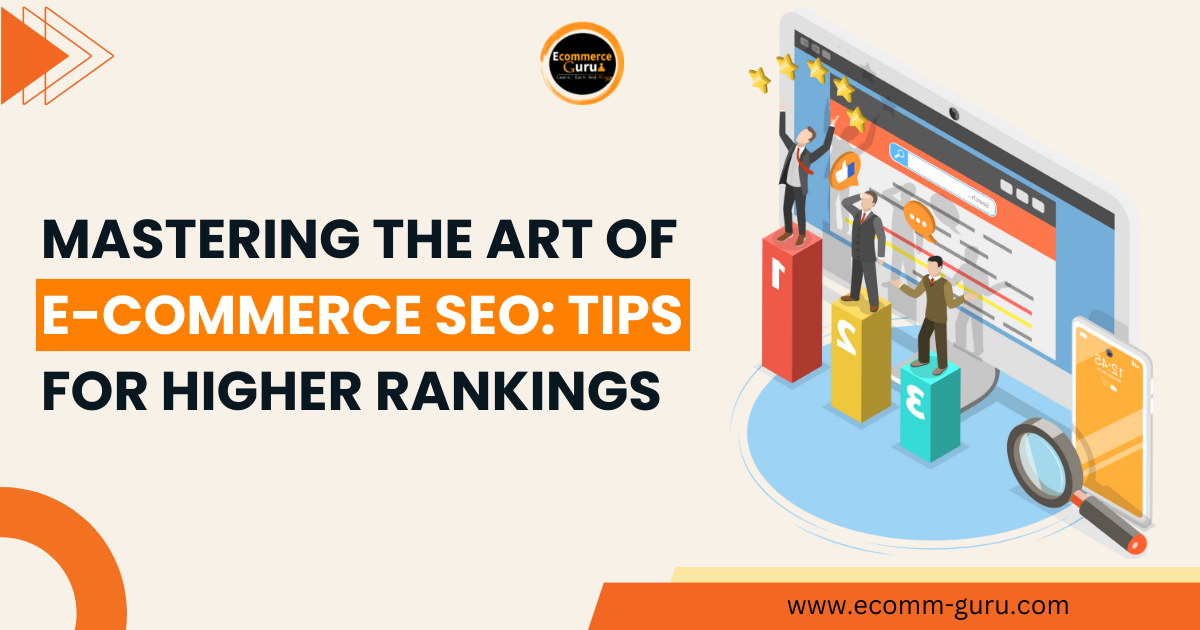
"Mastering the Art of E-commerce SEO: Tips for Higher Rankings"
Mastering the art of E-commerce SEO (Search Engine Optimization) is crucial for online businesses aiming to improve their visibility, attract more organic traffic, and ultimately increase sales. Here are some tips to achieve higher rankings in search engines:Keyword Research: Understand your audience's search intent and behavior. Use tools like Google Keyword Planner, SEMrush, or Ahrefs to find relevant keywords with high search volumes and optimize your product pages accordingly.Optimized Product Pages: Each product page should have a unique title tag, meta description, and URL containing relevant keywords. Incorporate long-tail keywords naturally into product descriptions, headings, and alt tags for images.Site Structure and Navigation: Create a clear and intuitive site structure. Use categories, subcategories, and internal linking to make it easy for both users and search engine crawlers to navigate your site. A well-organized site structure can improve indexation and ranking.Mobile Optimization: With the increasing use of mobile devices, ensure your e-commerce site is mobile-friendly. Google prioritizes mobile-first indexing, so your site should be responsive and provide a seamless experience across various devices.Page Loading Speed: Optimize your website's loading speed. Use tools like Google's PageSpeed Insights or GTmetrix to identify and fix issues that might slow down your site. Faster-loading pages tend to rank better in search results.High-Quality Content: Create informative, engaging, and unique content. Product descriptions, blog posts, how-to guides, and customer reviews can help improve SEO and provide value to your audience.Optimize for Local SEO: If you have a physical store or cater to specific regions, optimize for local search. Create local landing pages, use location-based keywords, and ensure consistency across online directories and listings.Optimize Images and Videos: Use descriptive file names and alt text for images and videos. This not only improves accessibility but also provides more context to search engines about your content.Structured Data Markup: Implement structured data (schema markup) to provide search engines with additional information about your products. This can enhance your listings in search results with rich snippets, like reviews, ratings, and product availability.Monitor and Adapt: Regularly monitor your site's performance using tools like Google Analytics and Google Search Console. Track keyword rankings, traffic patterns, and user behavior to identify areas for improvement and adapt your SEO strategy accordingly.Remember, SEO is an ongoing process that requires constant monitoring, adaptation, and experimentation. By implementing these tips and staying updated with industry best practices, you can enhance your e-commerce site's visibility and drive more organic traffic, leading to higher rankings and increased conversions.
More detailsPublished - Mon, 15 Jan 2024
Created by - Jessica M.
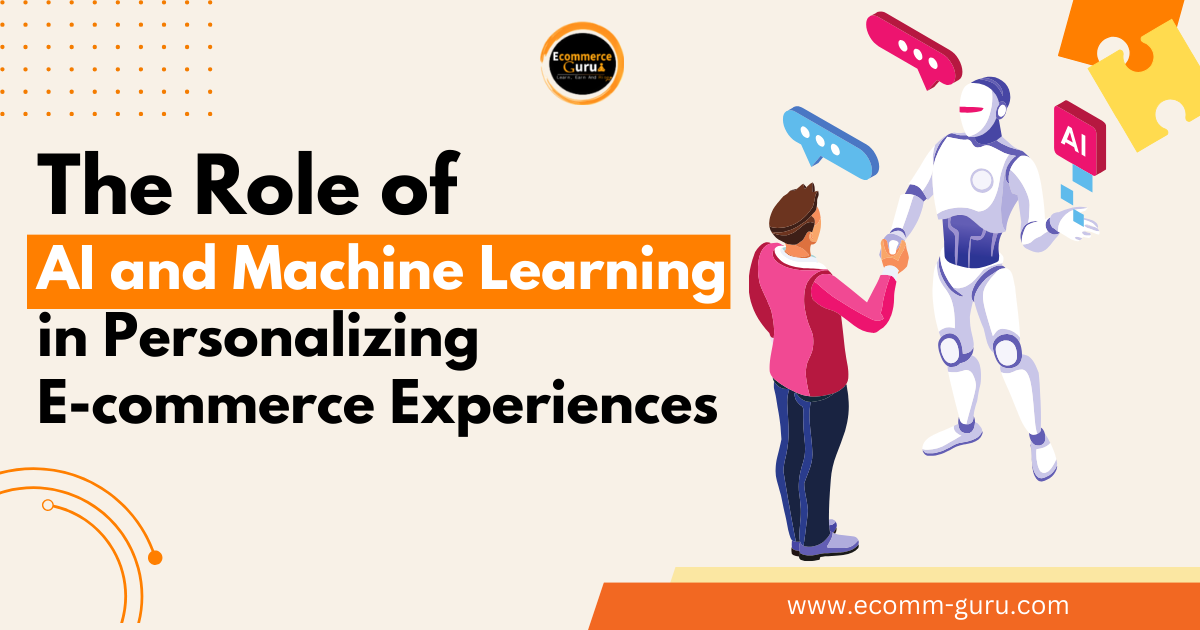
The Role of AI and Machine Learning in Personalizing E-commerce Experiences
AI and machine learning have revolutionized the e-commerce landscape by enabling highly personalized shopping experiences for consumers. These technologies play a pivotal role in enhancing customer engagement, optimizing product recommendations, and improving overall satisfaction. Here's a breakdown of their significance:Personalized Product Recommendations: AI algorithms analyze vast amounts of customer data, including browsing history, purchase patterns, demographics, and preferences. By utilizing this data, e-commerce platforms can offer tailored product recommendations to individual users, increasing the likelihood of conversion.Enhanced Customer Service: Chatbots and virtual assistants powered by AI facilitate 24/7 customer support. These AI-driven systems efficiently handle queries, provide product information, assist in purchases, and offer personalized recommendations, delivering a seamless shopping experience.Predictive Analytics for Inventory Management: Machine learning algorithms predict future demand based on historical sales data, seasonality, and market trends. This helps e-commerce businesses optimize their inventory, reducing overstocking or stockouts, ultimately improving efficiency and customer satisfaction.Dynamic Pricing Strategies: AI enables e-commerce platforms to implement dynamic pricing strategies by analyzing real-time market data, competitor pricing, and consumer behavior. This allows for flexible pricing models that can maximize revenue while remaining competitive.Behavioral Analysis and User Segmentation: AI algorithms segment customers based on their behavior, preferences, and purchasing habits. This segmentation enables targeted marketing campaigns, personalized promotions, and tailored content, creating a more relevant and engaging shopping experience.Fraud Detection and Prevention: Machine learning algorithms can detect anomalous behavior patterns, identifying potential fraudulent activities such as unauthorized transactions or account breaches. This helps e-commerce platforms bolster their security measures and protect both customers and the business.Optimized Search and Navigation: AI-powered search engines understand user intent, enabling more accurate and contextually relevant search results. This improves the overall browsing experience and helps customers find products faster, leading to increased satisfaction and conversion rates.Adaptive User Interfaces: AI-driven interfaces adapt to individual user preferences, offering a personalized interface layout, content, and recommendations based on past interactions, making the shopping experience more intuitive and user-friendly.In conclusion, AI and machine learning technologies have become integral to e-commerce, transforming how businesses engage with customers, streamline operations, and deliver personalized experiences. The continued advancement of these technologies will further refine and elevate the e-commerce landscape, emphasizing customer-centric approaches and driving innovation in the industry.
More detailsPublished - Tue, 16 Jan 2024
Created by - Jessica M.
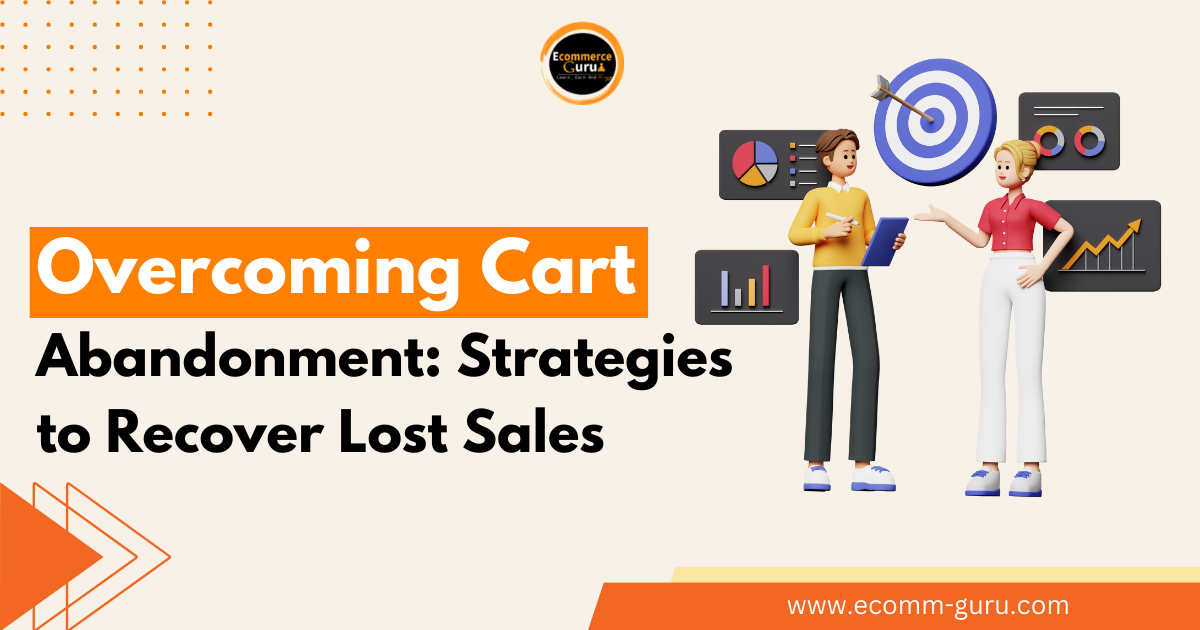
Overcoming Cart Abandonment: Strategies to Recover Lost Sales
Overcoming cart abandonment is a significant challenge for e-commerce businesses. When customers add items to their online shopping carts but leave without completing the purchase, it results in lost sales. Implementing strategies to recover these abandoned carts is crucial for maximizing revenue. Here are some effective strategies:Email Remarketing: Send personalized email reminders to customers who abandoned their carts. Include details of the items left behind, possibly with a special offer or discount to encourage them to complete the purchase.Optimize Checkout Process: Simplify and streamline the checkout process to make it quick, easy, and user-friendly. Reduce the number of steps required to complete the purchase, minimize form fields, and offer guest checkout options.Exit-Intent Pop-ups: Use pop-ups that trigger when a user is about to leave the website without making a purchase. Offer an incentive such as a discount, free shipping, or a limited-time offer to encourage them to reconsider.Abandoned Cart Recovery Tools: Utilize specialized software or plugins that automatically track and send reminders to customers who abandoned their carts. These tools often integrate with email systems and can offer personalized messages or discounts.Retargeting Ads: Display targeted ads to users who have abandoned their carts. These ads can appear on various websites and social media platforms, reminding customers about the products they showed interest in.Create a Sense of Urgency: Use scarcity tactics or limited-time offers to create a sense of urgency and prompt customers to complete their purchases sooner rather than later.Offer Multiple Payment Options: Provide various payment methods to cater to different customer preferences. Lack of preferred payment options can sometimes lead to abandoned carts.Provide Clear Return Policies: Ensure that your return and exchange policies are easily accessible and transparent. Clear policies can increase customer confidence and reduce hesitation during the checkout process.Personalization and Remarketing: Use data about the customer's browsing and purchase history to personalize their shopping experience. Recommend related or complementary products based on their interests.Mobile Optimization: Optimize your website for mobile devices as a significant portion of online shoppers use smartphones or tablets. A mobile-friendly interface can reduce friction during the checkout process.By implementing these strategies and continuously optimizing your approach, you can effectively recover abandoned carts and increase sales for your e-commerce business.
More detailsPublished - Sat, 03 Feb 2024

Created by - Jessica M.
The Psychology Behind Successful E-commerce Sales Tactics
The success of e-commerce sales tactics is intricately tied to various psychological principles that influence consumer behavior. Understanding these psychological drivers is crucial for businesses aiming to enhance their sales strategies. Here are several key psychological factors contributing to successful e-commerce sales tactics:Social Proof: Utilizing social proof through customer reviews, ratings, testimonials, and endorsements can significantly influence purchasing decisions. People tend to trust products or services that others have positively reviewed or recommended.Urgency and Scarcity: Creating a sense of urgency or scarcity through limited-time offers, flash sales, or low-stock alerts can trigger the fear of missing out (FOMO). This motivates customers to make quicker purchasing decisions.Personalization: Tailoring product recommendations, emails, and advertisements based on individual preferences and past behavior enhances engagement. Personalized experiences make customers feel understood and valued.Cognitive Biases: Understanding cognitive biases like anchoring (relying heavily on the first piece of information encountered), decoy effect (presenting an inferior option to make another seem more appealing), and loss aversion (the psychological impact of potential losses outweighing gains) helps in framing offers and pricing to influence decision-making.Emotional Triggers: Connecting with customers on an emotional level can drive sales. Emotions like happiness, fear, nostalgia, or excitement can be leveraged through storytelling, compelling visuals, or marketing messages that resonate with the audience.Simplified Decision-Making: Too many choices can overwhelm consumers, leading to decision fatigue. Streamlining options, providing clear product information, and guiding customers through the buying process simplifies decision-making.Freebies, Discounts, and Rewards: Offering freebies, discounts, loyalty programs, or rewards can create a sense of value and reciprocity, encouraging customers to make a purchase or return for future transactions.Visual Appeal and User Experience: Aesthetically pleasing website design, intuitive navigation, and compelling visuals enhance user experience, instilling trust and encouraging longer browsing sessions, which can lead to increased sales.Trust and Security: Highlighting trust signals such as secure payment gateways, customer data protection, and transparent policies builds credibility and alleviates security concerns, fostering trust among consumers.Behavioral Retargeting: Utilizing retargeting techniques based on consumer behavior (such as abandoned cart reminders) reinforces interest and encourages customers to complete their purchases.By integrating these psychological principles into their e-commerce strategies, businesses can effectively influence consumer behavior and drive successful sales in the highly competitive online marketplace.
More detailsPublished - Mon, 05 Feb 2024

Created by - Jessica M.
Cryptocurrency and E-commerce: Exploring the Future of Payments
Cryptocurrency and e-commerce have emerged as significant forces in shaping the future of payments. The fusion of these two domains represents a transformative shift in how businesses and consumers engage in online transactions.Cryptocurrencies, such as Bitcoin, Ethereum, and others, operate on decentralized networks using blockchain technology. This decentralized nature eliminates the need for intermediaries like banks, allowing for peer-to-peer transactions. This aspect aligns well with the principles of e-commerce, where direct transactions between buyers and sellers are pivotal.Several aspects contribute to the synergy between cryptocurrency and e-commerce:Global Accessibility: Cryptocurrencies transcend geographical boundaries, enabling businesses to reach a global audience without concerns about currency conversions or international transaction fees.Reduced Transaction Costs: Traditional payment methods involve intermediary fees. Cryptocurrency transactions often have lower fees, making microtransactions more feasible and cost-effective, particularly for small e-commerce businesses.Enhanced Security: Blockchain technology offers robust security measures, reducing the risk of fraud and chargebacks commonly associated with traditional payment methods. Additionally, the use of cryptographic techniques ensures transactional privacy.Faster Transactions: Cryptocurrency transactions can occur in real-time or near real-time, enhancing the speed of transactions compared to traditional banking systems, which may take several days for settlement.Innovative Payment Solutions: Integration of cryptocurrencies into e-commerce platforms enables novel payment solutions, such as smart contracts and tokenization, streamlining complex transactions like subscriptions, royalties, and conditional payments.However, challenges persist, hindering the full-scale adoption of cryptocurrencies in e-commerce:Volatility: Cryptocurrency prices are highly volatile, posing a risk for both consumers and merchants regarding the value of their holdings.Regulatory Uncertainty: The evolving regulatory landscape surrounding cryptocurrencies creates uncertainty and compliance challenges for e-commerce businesses.User Experience: Despite advancements, user interfaces for cryptocurrency payments in e-commerce platforms still need improvement to match the simplicity and familiarity of traditional payment methods.As both e-commerce and cryptocurrencies continue to evolve, collaborations and innovations are likely to address these challenges. Partnerships between payment processors, e-commerce platforms, and blockchain-based solutions aim to create more seamless, secure, and user-friendly experiences for consumers and businesses alike.In conclusion, the convergence of cryptocurrency and e-commerce holds immense potential to revolutionize the future of payments by offering enhanced security, reduced costs, global accessibility, and innovative payment solutions. However, overcoming volatility and regulatory hurdles remains essential to achieving widespread adoption and integration into mainstream e-commerce practices.
More detailsPublished - Fri, 09 Feb 2024

Created by - Jessica M.
The Power of User-Generated Content: Turning Customers into Brand Advocates
User-generated content (UGC) has become a powerful tool for brands seeking to engage their audience, build trust, and foster a community of loyal customers. It refers to any content—such as images, videos, reviews, testimonials, social media posts, and blogs—created by consumers rather than the brand itself.The influence of UGC lies in its authenticity and relatability. When customers share their experiences, opinions, or creative content related to a brand, it resonates strongly with other consumers. Here are several ways UGC can turn customers into brand advocates:1. Authenticity and Trust:UGC is perceived as more authentic and trustworthy than branded content since it comes directly from real users.Potential customers are more likely to trust recommendations or reviews from their peers than from the brand itself.2. Enhanced Engagement:Encouraging users to generate content fosters engagement and a sense of community around the brand.Contests, hashtags, or challenges can motivate users to create and share content, increasing brand visibility.3. Social Proof and Influence:UGC serves as social proof of a brand’s value and quality, influencing others’ purchasing decisions.When users share positive experiences, it encourages others to try the product or service.4. Cost-Effective Marketing:Leveraging user-created content reduces the need for expensive advertising campaigns.It allows brands to repurpose authentic content for various marketing channels.5. Building Relationships:Engaging with user-generated content allows brands to interact directly with their customers, building stronger relationships.Acknowledging and showcasing user content can make customers feel valued and appreciated.6. Diversified Content:UGC provides a diverse range of content styles and perspectives, catering to different audience segments.This variety keeps brand messaging fresh and adaptable to evolving trends.7. SEO and Visibility:UGC, when properly tagged and optimized, can boost a brand's search engine rankings and online visibility.To effectively harness the power of user-generated content, brands should:Create platforms or campaigns that encourage users to share their experiences.Establish guidelines and incentivize users to create high-quality content aligned with brand values.Regularly engage with and showcase user-generated content across various marketing channels.Respect user privacy and rights when using their content for promotional purposes.By embracing and leveraging user-generated content, brands can transform satisfied customers into passionate advocates, amplifying their reach and influence within their communities.
More detailsPublished - Thu, 15 Feb 2024
Created by - Jessica M.
Creating a Seamless Checkout Experience: Reducing Cart Abandonment
Creating a seamless checkout experience is crucial for reducing cart abandonment and maximizing conversions in e-commerce. Cart abandonment occurs when customers add items to their online shopping cart but leave the website without completing the purchase. Here are some strategies to enhance the checkout process and mitigate cart abandonment:Streamlined Checkout Process: Simplify the checkout steps to minimize the number of clicks required to complete a purchase. Avoid asking for unnecessary information and use a progress indicator to guide customers through the process.Guest Checkout Option: Offer a guest checkout option to allow customers to make purchases without creating an account. Some shoppers prefer this method as it reduces friction and saves time.Clear Call-to-Action (CTA) Buttons: Use prominent and intuitive CTA buttons such as "Add to Cart" and "Proceed to Checkout" to guide users toward the next steps in the buying process.Mobile Optimization: Ensure that the checkout process is mobile-friendly and optimized for different devices. Many customers shop on smartphones, so a responsive design is essential.Transparent Pricing and Policies: Display product prices, shipping costs, taxes, and any additional fees early in the process. Also, make return and refund policies easily accessible to build trust and confidence in the purchase.Multiple Payment Options: Provide various payment methods to accommodate different customer preferences. Options like credit/debit cards, digital wallets (e.g., PayPal, Apple Pay, Google Pay), and other alternative payment solutions can improve convenience.Security and Trust Signals: Display security badges, SSL certificates, and trust seals to reassure customers about the safety of their payment information. Highlighting secure checkout processes can alleviate concerns about data privacy and encourage the completion of purchases.Abandoned Cart Recovery: Implement strategies to reach out to customers who abandon their carts, such as personalized email reminders or notifications offering discounts or incentives to complete the purchase.User-Friendly Design and Navigation: Ensure that the checkout page is user-friendly, with clear instructions, minimal distractions, and easy navigation to prevent confusion or frustration.Testing and Optimization: Continuously test and optimize the checkout process based on user feedback, analytics, and A/B testing to identify and address any potential friction points.By focusing on these strategies, businesses can create a more seamless and user-friendly checkout experience, thereby reducing cart abandonment and increasing the likelihood of successful conversions in their e-commerce ventures.
More detailsPublished - Thu, 15 Feb 2024
Created by - Jessica M.
Cybersecurity in E-Commerce: Protecting Customer Data and Trust
Cybersecurity in e-commerce is a critical aspect of maintaining customer trust and protecting sensitive data. With the rapid growth of online transactions, ensuring the security of customer information has become a paramount concern for businesses. Here are key points to consider when it comes to safeguarding e-commerce platforms:Encryption and Secure ProtocolsImplementing robust encryption methods such as SSL (Secure Sockets Layer) or its successor TLS (Transport Layer Security) is fundamental. These protocols encrypt data transmitted between the user's browser and the server, safeguarding it from interception by malicious entities.Secure Payment GatewaysUtilize trusted and secure payment gateways that comply with industry standards for financial transactions. These gateways not only ensure secure payment processing but also instill confidence in customers regarding their sensitive financial data.Regular Security Audits and UpdatesFrequent security audits help identify vulnerabilities and weak points within the e-commerce infrastructure. Keeping software, plugins, and platforms updated with the latest security patches is crucial to prevent exploitation of known vulnerabilities.Strong Authentication MeasuresImplement multi-factor authentication (MFA) for user accounts, requiring more than just a password for access. This could involve SMS-based codes, biometric authentication, or authenticator apps, adding an extra layer of security.Data Encryption and StorageSensitive customer data, especially payment information, should be encrypted when stored in databases. Employ encryption techniques to protect this information, ensuring that even if a breach occurs, the data remains unreadable and unusable.Educating Employees and CustomersTrain employees on best security practices to prevent social engineering attacks or inadvertent disclosure of sensitive information. Additionally, educate customers about maintaining their security online, like creating strong passwords and being cautious of phishing attempts.Compliance with RegulationsAdhere to relevant data protection laws and regulations such as GDPR (General Data Protection Regulation) or CCPA (California Consumer Privacy Act). Compliance ensures that customer data is handled responsibly and ethically.Incident Response PlanDevelop a comprehensive incident response plan outlining steps to take in case of a security breach. This plan should include communication strategies, containment procedures, and steps to mitigate the impact of the breach on customers and the business.Continuous Monitoring and AdaptationCyber threats constantly evolve, so continuous monitoring of systems and staying updated on emerging threats is vital. Implementing proactive measures to adapt and strengthen security measures accordingly is key to staying ahead of potential risks.Safeguarding customer data and building trust in e-commerce platforms are ongoing efforts that require a proactive and multi-layered approach to cybersecurity. Prioritizing security not only protects customers but also upholds the reputation and credibility of the business in the digital marketplace.
More detailsPublished - Fri, 23 Feb 2024

Created by - Jessica M.
Exploring Sustainable and Eco-Friendly Products
In recent years, there has been a growing awareness and concern about the environmental impact of consumer products. From plastic pollution in our oceans to carbon emissions from manufacturing processes, the need for sustainable and eco-friendly alternatives has become increasingly urgent. Fortunately, there has also been a surge in the availability of such products, offering consumers the opportunity to make more environmentally conscious choices in their everyday lives.Sustainable and eco-friendly products are those that are designed and produced with consideration for their environmental and social impacts. This can include everything from the materials used in their construction to the energy sources powering their production facilities. By choosing these products, consumers can help reduce their carbon footprint and minimize harm to the planet.One area where sustainable products have gained traction is in the realm of fashion and apparel. Traditional clothing manufacturing processes often involve the use of harmful chemicals and excessive water consumption. However, many companies are now turning to eco-friendly materials such as organic cotton, hemp, and bamboo, which require fewer resources to grow and produce. Additionally, some brands are implementing sustainable practices like water recycling and ethical labor standards to further reduce their environmental impact.Another sector that has seen significant growth in sustainable products is the food and beverage industry. With concerns about climate change and food security on the rise, consumers are increasingly seeking out products that are produced in a more sustainable manner. This has led to the popularity of organic and locally sourced foods, as well as plant-based alternatives to meat and dairy products. By supporting these products, consumers can not only reduce their carbon footprint but also promote biodiversity and support small-scale farmers and producers.In addition to fashion and food, there are also many sustainable options available in other areas of consumer goods, such as home goods, personal care products, and electronics. For example, eco-friendly cleaning products are made with natural ingredients that are less harmful to the environment, while sustainable skincare and cosmetics brands prioritize cruelty-free and non-toxic ingredients. Similarly, electronics companies are increasingly focused on designing products that are more energy-efficient and made with recyclable materials.One of the key challenges facing consumers interested in purchasing sustainable products is navigating the greenwashing that often occurs in the marketplace. Greenwashing refers to the practice of companies making misleading or exaggerated claims about the environmental benefits of their products. To avoid falling victim to greenwashing, consumers should look for third-party certifications and labels, such as Fair Trade, USDA Organic, or Energy Star, which provide assurance that products meet certain environmental standards.Ultimately, choosing sustainable and eco-friendly products is not just about making individual purchasing decisions—it's about supporting a larger movement towards a more sustainable and equitable future. By voting with our dollars and supporting companies that prioritize environmental and social responsibility, we can help drive positive change and create a greener world for future generations.
More detailsPublished - Thu, 29 Feb 2024
Search
Popular categories
Ecommerce Trends
239Business
54Marketing
37Website
23Social Media
22Courses
21Latest blogs

The Power of Email Marketing in eCommerce
Fri, 15 Mar 2024

Tips for Optimizing Product Pages for Conversions
Thu, 14 Mar 2024

Mastering SEO for eCommerce Websites
Wed, 13 Mar 2024
Write a public review