
Created by - Yashraj Gautam
The Impact of Money Laundering on the Global Economy. can AI be useful to
Money laundering is a serious issue that affects the global frugality in a significant way. It’s the process of hiding the true origin and power of immorally attained finances by passing them through licit fiscal channels.Culprits engage in this illegal exertion to avoid discovery and execution for their lawless conditioning, similar as medicine trafficking, arms smuggling, and mortal trafficking.The impact of Money laundering on the global frugality is substantial, and it affects everyone, from governments to businesses and individualities. Then are some of the crucial impacts of Money laundering.Loss of duty profit Money laundering results in a loss of duty profit for governments. culprits hide their ill- gotten earnings from the government, which means they don’t pay levies on those finances. This loss of profit can have a significant impact on the capability of governments to give essential services to their citizens, similar as healthcare, education, and structure.Damage to fiscal institutions Money laundering can damage the character of fiscal institutions that intentionally handle lawless finances. The negative hype performing from similar conditioning can lead to a loss of client confidence and affect in the pullout of deposits, causing a fiscal extremity.Negative impact on businesses Money laundering can negatively impact businesses in several ways. Businesses that unwittingly come involved in laundering schemes can be held liable for their conduct, leading to legal penalties and reputational damage. also, Money laundering can beget increased costs for businesses as they’re forced to apply stricter due industriousness processes to help unborn incidents.Increase in systematized crime Money laundering provides a means for systematized crime groups to continue their illegal conditioning without being detected. The further Money they can censor, the further they can expand their felonious enterprises. This can lead to an increase in systematized crime conditioning, which can harm individualities and communities.Destabilization of husbandry Money laundering can destabilize husbandry by creating an uneven playing field for licit businesses. culprits can use their cleaned finances to contend unfairly, driving licit businesses out of business. This can lead to a decline in profitable growth and can have long- lasting goods on the frugality.Can AI be useful to alleviate the threat of Money Laundering?AI can be used to dissect large quantities of data and identify patterns that may indicate Money laundering conditioning. This technology can dissect data from colorful sources, including bank deals, social media, and newspapers, to descry suspicious behavior.By relating these patterns, AI can help fiscal institutions and law enforcement agencies to descry and help Money censoring more effectively.One of the crucial advantages of using AI in the fight against Money laundering is that it can dissect large volumes of data snappily and directly. This technology can dissect vast quantities of fiscal data in real time, which can help fiscal institutions to identify suspicious deals more snappily. This can help to help Money laundering conditioning from being and reduce the impact of these conditioning on the global frugality.AI can also help fiscal institutions with Anti-money laundering regulations more effectively. fiscal institutions are needed to apply effective AML programs to help Money laundering conditioning. AI can help in monitoring deals, relating suspicious exertion, and reporting it to the applicable authorities.Another advantage of AI is that it can learn and acclimatize to new patterns and ways used by Money launderers. As culprits continue to develop new styles to hide their lawless conditioning, AI can keep up with these changes and continue to descry and help these conditioning.AI has the implicit to reduce the impact of Money laundering on the global frugality. This technology can dissect large volumes of data snappily and directly, identify patterns of suspicious behavior and help fiscal institutions and law enforcement agencies to descry and help Money laundering conditioning more effectively.Conclusion:As the use of AI continues to grow, it’s likely to come an essential tool in the fight against Money laundering and other fiscal crimes, thereby contributing to a more stable and prosperous global frugality.
More detailsPublished - Mon, 12 Jun 2023

Created by - Yashraj Gautam
From Data to Dollars: How AI is Transforming Revenue Generation
Artificial intelligence (AI) is transforming the way businesses operate in various industries, and revenue generation is no exception. AI is becoming increasingly essential for companies looking to increase their revenue and gain a competitive edge in the market.From data analysis to marketing and sales strategies, AI is revolutionizing the way businesses generate revenue.Data AnalysisOne of the most significant ways that AI is transforming revenue generation strategies is through data analysis. With AI algorithms, businesses can analyze vast amounts of data in real-time, identifying patterns and trends that can help them make informed decisions. For instance, AI algorithms can analyze customer data, such as purchase history, browsing behavior, and social media activity, to predict customer behavior and preferences.This data analysis can be used to optimize pricing strategies, inventory management, and supply chain management. With AI-powered analytics, businesses can identify the most profitable products, target the right customers, and offer customized pricing that maximizes revenue.Marketing and Sales StrategiesAI is also revolutionizing marketing and sales strategies. By analyzing customer data, AI algorithms can help businesses create targeted and personalized marketing campaigns. AI-powered chatbots can also be used to engage with customers in real-time, answering questions, and providing product recommendations. These chatbots can even identify potential sales opportunities and guide customers through the sales funnel.AI algorithms can also be used to optimize sales processes, such as lead generation and lead scoring. By analyzing customer data, businesses can identify the most promising leads and focus their sales efforts on those leads. AI-powered sales forecasting can also help businesses predict future revenue and adjust their sales strategies accordingly.Customer ExperienceFinally, AI is transforming the customer experience, which is essential for generating revenue. By leveraging AI-powered chatbots, businesses can provide customers with quick and accurate answers to their questions. This can improve customer satisfaction, reduce customer churn, and increase revenue.AI can also be used to personalize the customer experience. By analyzing customer data, businesses can identify the products and services that each customer is most likely to be interested in. They can then offer personalized recommendations, increasing the likelihood of a sale.artificial intelligence (AI) has become a game-changer in revenue generation strategies for businesses across various industries. With the ability to process and analyze vast amounts of data quickly and accurately, AI has transformed the way companies approach customer engagement, sales, and marketing.One of the key benefits of AI in revenue generation is its ability to provide personalized and targeted customer experiences. By analyzing customer data, AI algorithms can identify patterns and preferences that allow businesses to create customized offerings and promotions that resonate with individual customers. This not only increases the likelihood of a sale but also strengthens customer loyalty and brand advocacy.AI can also assist with lead generation and sales prospecting. With the help of machine learning algorithms, businesses can identify potential customers based on their past behavior and preferences. This allows sales teams to focus their efforts on the most promising leads, increasing their chances of converting them into paying customers.In addition, AI-powered marketing automation tools can help businesses optimize their marketing campaigns for maximum impact. By analyzing customer behavior and engagement metrics, AI algorithms can identify the most effective marketing channels and tactics, allowing businesses to allocate their marketing budget more efficiently and achieve better results.AI is transforming revenue generation strategies by providing businesses with new tools and insights to engage customers more effectively, generate more leads, and optimize their sales and marketing efforts. As the technology continues to evolve, we can expect to see even more innovative applications of AI in revenue generation in the years to come.From data analysis to marketing and sales strategies to the customer experience. By leveraging AI algorithms, businesses can analyze vast amounts of data in real-time, create targeted and personalized marketing campaigns, optimize sales processes, and provide personalized customer experiences.Conclusion:As AI continues to evolve, it will become increasingly essential for businesses looking to increase their revenue and stay ahead of the competition.
More detailsPublished - Mon, 12 Jun 2023

Created by - Yashraj Gautam
Unlock the Secrets of Ecommerce Success with Free Courses on Online Learning...
Ecommerce has become an integral part of the business world, and it is changing the way people buy and sell products. The global ecommerce market is expected to reach 6.54 trillion US dollars by 2023, according to Statista.However, running a successful ecommerce business requires a lot of knowledge and expertise. Luckily, there are plenty of free online courses available that can help you unlock the secrets of ecommerce success.Online learning platforms such as Coursera, edX, Udacity, and Khan Academy offer a wide range of ecommerce courses, from beginner-level to advanced. These courses cover a variety of topics, including ecommerce strategy, online marketing, customer behavior, logistics, and more.One of the most popular courses on ecommerce is “Ecommerce Essentials” by Coursera. This course provides an introduction to ecommerce and teaches students how to develop a successful ecommerce strategy. It covers topics such as market research, product selection, website design, and customer service.Another great course is “Introduction to Ecommerce” by edX. This course teaches students the fundamentals of ecommerce, including online payment systems, digital marketing, and customer service. It also provides insights into the challenges and opportunities of the ecommerce industry.If you’re interested in learning about ecommerce marketing, then “Ecommerce Marketing” by Udacity is a must-try course. This course teaches students how to create and implement an effective ecommerce marketing strategy. It covers topics such as email marketing, search engine optimization (SEO), and social media marketing.For those interested in ecommerce logistics, “Ecommerce Logistics and Order Fulfillment” by edX is a great course to take. This course covers the logistics of ecommerce, including inventory management, order fulfillment, and shipping. It also teaches students how to optimize their supply chain and reduce shipping costs.Finally, if you’re interested in ecommerce analytics, “Ecommerce Analytics: From Data to Decisions” by Coursera is a great choice. This course teaches students how to analyze ecommerce data and make data-driven decisions. It covers topics such as web analytics, conversion tracking, and A/B testing.Ecommerce is a rapidly growing industry, and there are plenty of free online courses available to help you unlock the secrets of ecommerce success. Whether you’re interested in ecommerce strategy, marketing, logistics, or analytics, there’s a course out there that can help you achieve your goals. So why not take advantage of these free resources and start learning today?With the availability of free learning platforms, such as Coursera, edX, Udacity, and Khan Academy, anyone can become an ecommerce guru. These platforms offer a wide range of courses, from beginner-level to advanced, to help you gain the knowledge and skills necessary to succeed in the ecommerce industry.One of the most popular free ecommerce courses is “Ecommerce Essentials” by Coursera. This course provides an introduction to ecommerce and teaches students how to develop a successful ecommerce strategy. It covers topics such as market research, product selection, website design, and customer service.Another trending online course is “Introduction to Ecommerce” by edX. This course teaches students the fundamentals of ecommerce, including online payment systems, digital marketing, and customer service. It also provides insights into the challenges and opportunities of the ecommerce industry.If you’re interested in free SEO courses for ecommerce, “Ecommerce Marketing” by Udacity is a must-try course. This course teaches students how to create and implement an effective ecommerce marketing strategy. It covers topics such as email marketing, search engine optimization (SEO), and social media marketing.For those interested in ecommerce logistics, “Ecommerce Logistics and Order Fulfillment” by edX is an excellent course to take. This course covers the logistics of ecommerce, including inventory management, order fulfillment, and shipping. It also teaches students how to optimize their supply chain and reduce shipping costs.Finally, if you’re interested in learning ecommerce business hacks and analytics, “Ecommerce Analytics: From Data to Decisions” by Coursera is a great choice. This course teaches students how to analyze ecommerce data and make data-driven decisions. It covers topics such as web analytics, conversion tracking, and A/B testing.Online learning platforms offer a plethora of free ecommerce courses for anyone who wants to learn about the ecommerce business. These courses cover topics ranging from ecommerce strategy, marketing, logistics, analytics, and more. Conclusion:Whether you’re an aspiring ecommerce entrepreneur or a seasoned professional, taking advantage of these free resources can help you stay ahead of the curve and unlock the secrets of ecommerce success. So why not enroll in a free course today and take your ecommerce business to the next level?
More detailsPublished - Mon, 12 Jun 2023

Created by - Yashraj Gautam
The Future of Ecommerce: Trends and Strategies for Business Owners
Ecommerce has been growing at a rapid pace in recent years, and this trend is expected to continue in the future.In fact, the COVID-19 pandemic has accelerated the adoption of ecommerce as more people have shifted towards online shopping. In this blog, we will explore some of the emerging trends and strategies that business owners can adopt to stay ahead of the curve.PersonalizationPersonalization is becoming increasingly important in the world of ecommerce. Customers expect a personalized experience that caters to their unique needs and preferences. This can be achieved by using data to personalize product recommendations, offers, and communication. By collecting data on customer behavior, businesses can provide a more personalized experience that results in higher conversion rates and customer loyalty.Augmented Reality (AR)AR technology is becoming more prevalent in ecommerce as it allows customers to experience products in a more immersive way. By using AR, customers can visualize products in their homes before making a purchase, which can lead to higher customer satisfaction and lower return rates. AR technology is particularly useful for businesses that sell furniture, home décor, and clothing.Mobile CommerceMobile commerce is growing rapidly as more people use their smartphones to make purchases. In fact, mobile ecommerce is expected to account for more than half of all ecommerce sales by 2023. To capitalize on this trend, businesses must ensure that their websites are mobile-friendly and optimized for mobile devices.Social CommerceSocial media platforms like Facebook, Instagram, and Pinterest are becoming more important in ecommerce. Businesses can leverage these platforms to reach new customers and drive sales. By creating shoppable posts and ads, businesses can make it easy for customers to make a purchase without leaving the platform.Subscription-based ModelsSubscription-based models are becoming more popular in ecommerce as they provide a predictable revenue stream and encourage customer loyalty. By offering subscriptions, businesses can provide customers with a convenient and cost-effective way to receive products on a regular basis.SustainabilitySustainability is becoming an increasingly important factor for customers when making purchasing decisions. Businesses that prioritize sustainability can attract a growing market of environmentally conscious consumers. This can be achieved by using eco-friendly materials, reducing waste, and supporting ethical manufacturing practices.Voice CommerceVoice commerce is expected to grow in popularity as more people use smart speakers and voice assistants to make purchases. To capitalize on this trend, businesses must ensure that their websites and ecommerce platforms are optimized for voice search and that they provide a seamless voice commerce experience.The Rise of Personalization in EcommercePersonalization has become an essential aspect of ecommerce as customers expect a tailored shopping experience that caters to their unique needs and preferences. To achieve this, businesses can leverage the power of data and emerging technologies to provide a personalized shopping experience that drives engagement, loyalty, and revenue.One way to learn about personalization in ecommerce is through a free learning platform. Many online courses are available that offer free ecommerce courses, taught by industry experts and ecommerce guru. These courses cover a range of topics, including personalization, marketing, and SEO. One example is the free SEO course offered by Moz, which can help businesses improve their website’s search engine ranking and attract more customers.Personalization can be achieved by using data to understand customer behavior and preferences. This includes data such as browsing history, purchase history, and social media activity. By analyzing this data, businesses can provide product recommendations, offers, and communication that are personalized to each customer. This can lead to higher conversion rates, increased customer satisfaction, and repeat business.Emerging technologies such as artificial intelligence (AI) and machine learning (ML) are also playing a significant role in ecommerce personalization. These technologies can analyze large amounts of data and provide insights that can be used to create a more personalized experience for customers. For example, AI-powered chatbots can provide personalized recommendations and support to customers in real-time.Ecommerce is evolving rapidly, and it’s crucial for businesses to keep up with the latest trends and strategies. Personalization is becoming increasingly important, and businesses that don’t adapt risk losing customers to competitors who offer a more tailored experience. Conclusion:By leveraging data and emerging technologies, businesses can provide a personalized shopping experience that drives engagement, loyalty, and revenue. Free online courses and resources are available to help businesses learn more about personalization, marketing, and SEO, which can help them stay ahead of the competition in the dynamic world of ecommerce.
More detailsPublished - Mon, 12 Jun 2023

Created by - Yashraj Gautam
10 Trending Online Courses Every Startup Business Should Take
Starting a business can be an exciting and challenging endeavor. It requires a great idea, A solid business plan, and a wide range of skills and knowledge to succeed in today’s competitive business environment.Start with a solid business plan: A business plan is a roadmap that outlines your goals, strategies, and financial projections. It’s essential to have a clear understanding of your target market, competition, and revenue model before you launch your business.Focus on your core product or service: When starting a business, it’s crucial to focus on what you do best. Trying to offer too many services or products at once can dilute your brand and confuse your customers. Instead, focus on your core product or service and build your brand around it.Identify your target market: Knowing your target market is essential for developing effective marketing strategies and creating products that meet your customers’ needs. Conduct market research to identify your ideal customer, their pain points, and their buying habits.Build a strong online presence: In today’s digital age, having a strong online presence is critical for any business. Build a website, create social media profiles, and invest in online advertising to reach your target audience.Network and build relationships: Networking is essential for startup success. Attend industry events, join networking groups, and connect with other entrepreneurs to build relationships and gain valuable insights.Seek mentorship: Finding a mentor who has experience in your industry can provide invaluable guidance and support. Look for someone who has been successful in your field and is willing to share their expertise.Focus on customer service: Excellent customer service is essential for building a loyal customer base and increasing customer retention. Make sure your team is trained to handle customer inquiries and complaints promptly and professionally.Manage your finances: Managing your finances is critical for startup success. Keep track of your expenses, maintain accurate financial records, and seek funding when necessary.Continuously innovate and adapt: The business world is constantly evolving, and startups must be prepared to adapt and innovate to stay ahead of the competition. Continuously evaluate your products, services, and strategies to ensure they meet your customers’ needs and expectations.Stay motivated and persistent: Starting a business is a challenging journey, but staying motivated and persistent can help you overcome obstacles and achieve your goals. Celebrate small victories, learn from failures, and stay committed to your vision.Fortunately, the rise of online learning has made it easier than ever for startup founders to gain the expertise they need to succeed. In this blog post, we’ll highlight 10 trending online courses that every startup business should take to master essential business skills for success.Digital Marketing: In today’s digital age, having a strong online presence is crucial for any business. This course teaches the fundamentals of digital marketing, including search engine optimization (SEO), social media, content marketing, and email marketing. With this course, you will learn how to drive traffic to your website, build brand awareness, and generate leads.Business Strategy: This course focuses on developing a solid business strategy that will guide your company’s growth and success. Topics covered include industry analysis, competitive analysis, and strategic planning. With this course, you will learn how to identify your target market, create a unique value proposition, and differentiate your business from competitors.Financial Management: Understanding financial management is critical for any business. This course covers financial statements, budgeting, forecasting, and cash flow management. With this course, you will learn how to manage your finances effectively, make informed financial decisions, and create a sustainable financial plan for your business.Leadership: Leadership skills are essential for any business owner. This course covers the basics of leadership, including communication, motivation, and team building. With this course, you will learn how to inspire and motivate your team, delegate tasks effectively, and create a positive work environment.Product Management: This course teaches entrepreneurs how to develop and manage successful products. Topics covered include market research, product development, and product launch strategies. With this course, you will learn how to identify customer needs, create a product roadmap, and bring your product to market successfully.Data Analytics: Data is becoming increasingly important for businesses of all sizes. This course covers the basics of data analytics, including data collection, analysis, and visualization. With this course, you will learn how to use data to make informed business decisions, identify trends and patterns, and gain insights into customer behavior.Project Management: As a startup founder, you’ll need to manage projects effectively to ensure your business stays on track. This course covers the principles of project management, including planning, execution, and monitoring. With this course, you will learn how to set goals, manage resources, and deliver projects on time and within budget.Sales: Every business needs sales to survive. This course covers sales techniques, customer relationship management, and sales forecasting. With this course, you will learn how to develop a sales strategy, build relationships with customers, and close deals effectively.Human Resources: Managing human resources can be a complex task. This course covers the basics of HR, including hiring, performance management, and employee relations. With this course, you will learn how to attract and retain top talent, create a positive workplace culture, and comply with employment laws and regulations.Entrepreneurship: This course covers the essentials of entrepreneurship, including developing a business plan, securing funding, and managing risk. With this course, you will learn how to validate your business idea, create a viable business plan, and secure funding to launch and grow your business.ConclusionThese top 10 online courses are essential for any startup founder who wants to master essential business skills for success. By investing in your education and taking these courses, you will gain the knowledge and skills you need to build a successful and sustainable business. With the help of these courses, you can develop a strong digital presence, create a solid business strategy.
More detailsPublished - Mon, 12 Jun 2023

Created by - Yashraj Gautam
Revolutionizing Education with EdTech: A Comprehensive Guide
In recent years, the education industry has been revolutionized by the rapid advancements in technology.The introduction of EdTech has provided opportunities for learners worldwide to access a wide range of courses and learn at their own pace. EdTech has become an essential tool for learners, educators, and business owners alike. In this comprehensive guide, we will explore how EdTech is revolutionizing education, with a focus on free learning platforms, online courses, and eCommerce business.One of the most significant benefits of EdTech is the availability of free learning platforms. These platforms allow learners to access a vast range of courses, resources, and learning materials without having to pay a single penny. Some of the popular free learning platforms include Coursera, edX, and Khan Academy. Learners can access courses in various disciplines, such as coding, data science, humanities, business, and much more.If you’re interested in starting an eCommerce business or enhancing your skills in the field, there are plenty of online courses available. Many of these courses are free, and they cover topics such as eCommerce business hacks, SEO, and eCommerce marketing. Moreover, learners can access courses from Ecommerce Guru and industry experts.One of the trending online courses in eCommerce is the free eCommerce course offered by Shopify. The course covers topics such as product sourcing, store design, marketing, and customer service. The course is a comprehensive guide to starting an eCommerce business and provides learners with the tools and knowledge they need to succeed in the industry.Online learning platforms have become increasingly popular, especially for startups businesses. Startups businesses often have limited resources and need to invest in cost-effective solutions. Online learning platforms provide an affordable and flexible solution for training employees, developing skills, and enhancing the knowledge of the team. Additionally, online learning platforms provide a consistent training experience for employees, regardless of their location.Understanding the Impact of EdTech on EducationEducational technology, or EdTech, has transformed the way education is delivered and experienced. EdTech refers to the use of technology to enhance teaching and learning, making it more interactive, engaging, and accessible. The impact of EdTech on education has been profound, and it’s essential to understand its significance in today’s world.One of the primary impacts of EdTech on education is that it has made learning more accessible. With the availability of online courses, students can learn from anywhere in the world, at their own pace, and on their own time. Additionally, EdTech has provided access to educational resources that were previously unavailable, such as interactive learning tools, simulations, and educational games.EdTech has also made teaching more efficient and effective. With the help of technology, teachers can create personalized learning experiences for their students, track their progress, and provide real-time feedback. This has not only improved the learning outcomes of students but has also made teaching more engaging and enjoyable.Moreover, EdTech has facilitated collaboration and communication between teachers and students, and among students themselves. With the availability of online discussion forums, social media platforms, and virtual classrooms, students can interact with their peers and teachers, share ideas, and participate in collaborative learning.Finally, EdTech has prepared students for the modern workforce by equipping them with the necessary technological skills. In today’s world, technology is an integral part of every industry, and by integrating EdTech into education, students can develop the necessary skills to thrive in the workforce.EdTech has transformed education with free learning platforms, online courses, and eCommerce. It provides affordable solutions for businesses to train employees and automate tasks.Conclusion:EdTech has made learning accessible, efficient, and engaging, preparing students for the modern workforce. Embracing EdTech is crucial to revolutionize education.
More detailsPublished - Mon, 12 Jun 2023
Created by - Yashraj Gautam
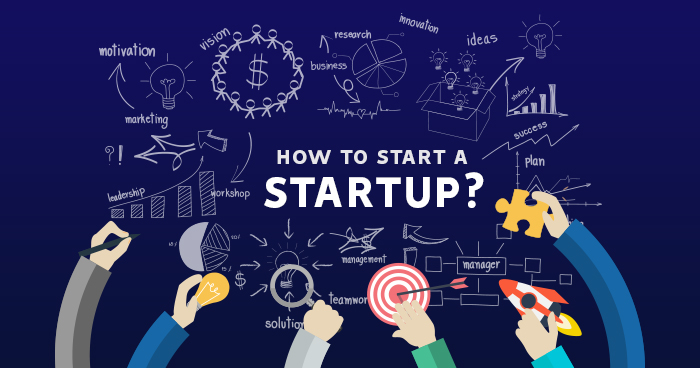
Start A Startups Business in Just 8 Simple Steps. How to transform Your Idea into a...
Starting a startup business can be a daunting task, but it doesn’t have to be.With the right resources and guidance, anyone can turn their idea into a successful venture.In this blog, we will take you through 8 simple steps to start an eCommerce business.Step 1: Identify your nicheThe first step to starting any business is to identify your niche. Look for areas where there is a demand and you can provide a unique offering. You could look for gaps in the market, or areas where you have a particular expertise.Step 2: Research your marketOnce you have identified your niche, research the market to understand the competition, pricing, and customer needs. This will help you identify potential opportunities and gaps in the market.Step 3: Create a business planA business plan is crucial for any business. It will help you map out your strategy, understand your finances, and identify potential challenges. There are many free templates available online to help you create a business plan.Step 4: Choose your eCommerce platformThere are many eCommerce platforms available, such as Shopify, WooCommerce, and Magento. Choose a platform that suits your needs and budget.Step 5: Learn eCommerce business hacksTo succeed in eCommerce, you need to know the hacks and tricks that can help you stay ahead of the competition. Look for online courses, such as a free eCommerce course or Ecommerce Guru, who can provide you with valuable insights.Step 6: Optimize your website for SEOSearch Engine Optimization (SEO) is crucial to ensure your website is visible on search engines. Look for a free SEO course or a trending online course to learn the basics of SEO.Step 7: Set up your social media accountsSocial media is a powerful tool to promote your eCommerce business. Set up accounts on platforms such as Facebook, Instagram, and Twitter, and create a content strategy to engage with your audience.Step 8: Continuously learn and improveThe world of eCommerce is constantly evolving, and it’s essential to keep up with the latest trends and technologies. Look for an online learning platform or free learning platform that offers courses in eCommerce and related topics.How to Transform Your Idea into a Successful Startup?Transforming an idea into a successful startup requires a lot of effort, planning, and execution. Some of the key steps to make your idea a successful startup are:Conduct market research to identify gaps and opportunities in the market.Develop a business plan that outlines your business goals, strategies, and financial projections.Build a team of skilled and dedicated individuals who share your vision.Secure funding from investors, loans, and crowdfunding.Develop a Minimum Viable Product (MVP) and launch it in the market.Get feedback from customers and iterate based on their feedback.By following these steps and staying focused on your goals, you can turn your idea into a successful startup.Conclusion:Starting an eCommerce business can seem overwhelming, but with these 8 simple steps, you can turn your idea into a successful venture. Remember to continuously learn and improve, and don’t be afraid to seek guidance from experts and peers. Good luck with your startups business!
More detailsPublished - Mon, 12 Jun 2023

Created by - Yashraj Gautam
All You Need to know about Ecommerce Business Hacks to increase ROI.
Ecommerce is a rapidly growing industry, with more and more businesses launching their online stores every day.While this presents a great opportunity for startups and established businesses alike, it also means that competition is fierce. To succeed in ecommerce, you need to have a solid strategy in place, and be willing to continually improve and adapt. In this blog, we’ll take a look at some of the best ecommerce business hacks to increase ROI, and how you can take advantage of free learning platforms and online courses to help you succeed.Free Learning Platforms and Online CoursesOne of the best things about the internet is the wealth of information that is available at our fingertips. There are countless free learning platforms and online courses that can help you learn new skills, improve your knowledge, and stay up-to-date with the latest trends and best practices in ecommerce. Here are some of the best free resources available:Free Ecommerce Course by Ecommerce Guru: This comprehensive course covers everything from setting up your online store to marketing and conversion optimization. It’s a great place to start if you’re new to ecommerce or looking to brush up on your skills.Google Analytics Academy: Understanding how to analyze and interpret data is crucial in ecommerce. Google Analytics Academy offers free courses on Google Analytics and data analysis, which can help you optimize your marketing campaigns and improve your overall ROI.HubSpot Academy: HubSpot Academy offers a range of free courses on topics such as content marketing, email marketing, and social media marketing. These courses can help you develop a holistic marketing strategy that drives sales and increases ROI.Free SEO Course by Moz: Search engine optimization (SEO) is a crucial component of ecommerce success. This free course by Moz covers the basics of SEO, including keyword research, on-page optimization, and link building.Trending Online Courses: Online learning platforms like Udemy and Coursera offer a wealth of courses on ecommerce and related topics. You can search for courses based on your specific needs and take them at your own pace.Ecommerce Business HacksNow that you know where to find free learning resources, let’s take a look at some of the best ecommerce business hacks to increase ROI:Focus on Customer Experience: Providing an exceptional customer experience is one of the best ways to increase customer loyalty and drive sales. This includes everything from fast and easy checkout processes to personalized product recommendations and exceptional customer service.Optimize Your Website: Your website is the heart of your ecommerce business, and it needs to be optimized for maximum conversion. This includes things like fast page load times, easy navigation, and clear calls-to-action.Leverage Social Media: Social media is a powerful tool for driving traffic and increasing sales. Make sure you have a strong presence on the platforms where your target audience is active, and use social media to engage with your customers and promote your products.Use Email Marketing: Email marketing is one of the most effective ways to reach your customers and drive sales. Use email to keep your customers informed about new products, sales, and promotions, and segment your email list to ensure you’re sending targeted messages to the right people.Continuously Measure and Improve: Finally, it’s important to continuously measure and improve your ecommerce strategy. Use analytics tools to track your performance, identify areas for improvement, and experiment with new tactics to see what works best for your business.Ways to increase ROI through ecommerce business hacks.Increasing ROI in ecommerce requires a solid strategy and continual improvement. Free learning platforms and online courses can help you stay up-to-date with the latest trends and best practices in ecommerce. Business hacks such as focusing on customer experience, optimizing your website, leveraging social media, using email marketing, and continuously measuring and improving your ecommerce strategy can all help increase ROI. It’s important to continuously adapt and experiment to find what works best for your business.Conclusion:Ecommerce is a highly competitive industry, but with the right strategy and knowledge, you can increase your ROI and succeed. Take advantage of free learning platforms and online courses to improve your skills and knowledge, and use these ecommerce business hacks to optimize your strategy and drive sales.
More detailsPublished - Mon, 12 Jun 2023
Created by - Yashraj Gautam
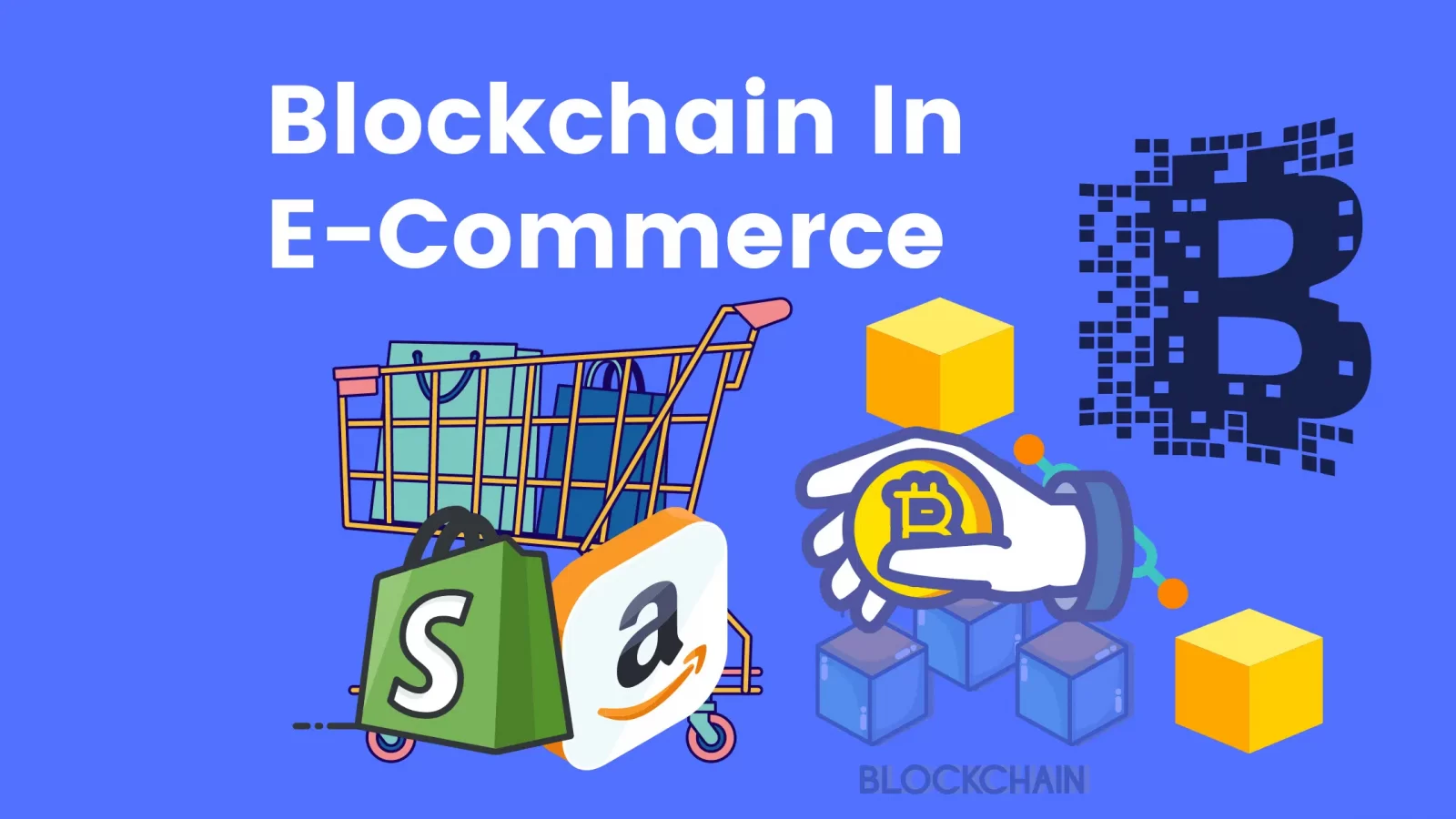
The Future of Ecommerce Integration: Leveraging Blockchain Mining
Ecommerce has become a vital aspect of modern-day business operations. The rise of online transactions and the proliferation of mobile devices have transformed the way businesses interact with their customers.As a result, ecommerce businesses are increasingly looking for innovative ways to stay ahead of the competition. One such innovation is blockchain technology, which is poised to revolutionize ecommerce integration.Blockchain technology is essentially a decentralized, distributed ledger that can be used to store and manage transactions securely. It offers a transparent and tamper-proof record of all transactions, making it ideal for ecommerce businesses looking to enhance the security and transparency of their operations.One of the key advantages of blockchain technology is its ability to facilitate mining. Mining involves solving complex mathematical equations to validate transactions on the blockchain network. This process helps to ensure the integrity of the blockchain and prevent fraud or other malicious activities.For ecommerce businesses, blockchain mining can be leveraged to improve their operations in a number of ways. First, it can help to improve the speed and efficiency of transactions. By using blockchain technology, transactions can be processed faster and more securely than traditional payment methods.Secondly, blockchain mining can help to reduce the cost of transactions. Because blockchain technology eliminates the need for intermediaries, such as banks or payment processors, the cost of transactions can be significantly reduced. This can be a significant advantage for ecommerce businesses, particularly startups that are looking to minimize their overheads.Thirdly, blockchain mining can help to enhance the security and transparency of ecommerce transactions. Because blockchain technology offers a tamper-proof record of all transactions, it can help to prevent fraud or other malicious activities. This can be particularly important for ecommerce businesses that are dealing with sensitive customer data, such as credit card information.To take advantage of these benefits, ecommerce businesses need to start thinking about how they can integrate blockchain technology into their operations. One way to do this is by leveraging free learning platforms and online courses that provide insights into blockchain technology and its applications.For example, Ecommerce Guru can access free ecommerce courses that cover the basics of blockchain technology and its potential applications. They can also explore free SEO courses that help to improve the visibility and ranking of their ecommerce businesses. Trending online courses that cover blockchain mining and its integration into ecommerce operations are also available, which can help to stay ahead of the competition.Revolutionizing Ecommerce Transactions: The Advantages of Blockchain Mining IntegrationThe future of ecommerce integration lies in the utilization of blockchain technology and its potential to revolutionize the way transactions are processed. Blockchain mining, which involves solving complex mathematical equations to validate transactions on the blockchain network, offers several benefits to ecommerce businesses. It can improve the speed and efficiency of transactions, reduce the cost of transactions, and enhance the security and transparency of ecommerce operations. By leveraging blockchain mining, ecommerce businesses can stay ahead of the competition and provide a better customer experience.Online learning platforms are ideal for startups and established ecommerce businesses that are looking to enhance their knowledge of blockchain technology and its potential applications. These platforms offer a flexible and convenient way to learn at your own pace and on your own schedule.The future of ecommerce integration is likely to be heavily influenced by blockchain technology and its potential applications. By leveraging blockchain mining, ecommerce businesses can improve the speed, efficiency, and security of their operations, while also reducing the cost of transactions. Conclusion:To take advantage of these benefits, ecommerce gurus should consider exploring free learning platforms and online courses that cover blockchain technology and its integration into ecommerce operations.
More detailsPublished - Mon, 12 Jun 2023
Search
Popular categories
Ecommerce Trends
239Business
54Marketing
37Website
23Social Media
22Courses
21Latest blogs
The Power of Email Marketing in eCommerce
Fri, 15 Mar 2024

Tips for Optimizing Product Pages for Conversions
Thu, 14 Mar 2024
Mastering SEO for eCommerce Websites
Wed, 13 Mar 2024
Write a public review