
Created by - Yashraj Gautam
Transform yourself into a professional: How to balance work and study without...
The world we live in is not just fast but also transforming. Taking care of your studies while not missing work seems tough to manage at the same time.With time ticking away and responsibilities piling up, it’s easy to lose sight of our goals and become overwhelmed. However, fear not! With the right mindset and a few clever strategies, you can transform yourself into a professional capable of seamlessly balancing work and study without losing your grip on either. So, let’s get into this transformative journey together and let us introduce you to an online learning platform that will make your study effortless.Define Your Goals: The Blueprint Of SuccessBefore diving headfirst into the chaos of work and study, take a step back and define your goals. Without a goal, you will be hopeless. Millions of questions will trap your mind and leave you without an answer. But having a clear view in mind will help you go ahead in your career and build your ecommerce business.Master The Art Of Time Management: Slay The Time DragonTime management is the key to taming the unruly beast of balancing work and study. Create a detailed schedule that allocates specific time slots for work, study, and personal life. Stick to your schedule religiously, ensuring you set realistic deadlines for tasks. Utilize productivity tools and techniques, such as the Pomodoro Technique, to maintain focus and maximize your efficiency.Fun facts: do you know Ecommerce Guru provide free courses with daily ecommerce boost?Create A Dedicated Study Space: The Court Of FocusTo establish a productive study routine, carve out a dedicated study space. Find a quiet corner or room where you can immerse yourself in your studies without distractions. Personalize the space with motivational quotes, comfortable seating, and adequate lighting. This sacred fortress will become your sanctuary, fueling your concentration and fostering a professional atmosphere.At our free learning platform, you can study according to your time management. We have developed each of our courses with ease, so they can suit your clock. Establish Priorities: The Art Of Balancing ActBalancing work and study is a delicate dance. Prioritize your tasks by importance and deadline. Identify tasks of your startups business that require your immediate attention and those that can be delegated or postponed. Embrace the art of saying “no” to non-essential commitments that may hinder your progress. Remember, a true professional knows how to prioritize effectively.Develop Efficient Study Techniques: Study Smart, Not HardStudying smart is the secret ingredient for success. Optimize your study time by employing effective techniques. Use mnemonic devices, mind maps, and flashcards to enhance your memory retention. Form study groups or join online forums to exchange ideas and gain new perspectives.Fun fact: our online platform do offer trending online courses, so you can learn the latest and trendiest courses of the present time. Communicate With Your Employer: Forge A Synergistic RelationshipOpen communication with your employer is crucial when balancing work and study. Explain your educational goals and discuss how they align with your professional growth. Seek their support and explore flexible work arrangements, such as flexible hours or remote work options. Plus, you can have all these at our free learning platform. A supportive employer can be a valuable ally in your quest for professional transformation.Leverage Technology: The Modern Professional’s ToolboxHarness the power of technology to streamline your work and study processes. Utilize productivity apps and software to manage tasks, deadlines, and schedules. Explore our online learning platform that offer flexible and self-paced courses. Engage in virtual meetings and webinars to stay connected with industry experts and expand your network.Set Realistic Goals: Success Is Not A One Day TaskWhile ambition is commendable, it’s important to set realistic goals. Break the goal in smaller and workable tasks. Celebrate your accomplishments along the way, as this will keep you motivated and help you maintain a positive mindset.Online courses and webinars can be tyring, if you want to keep up with both then try to focus on one thing at a particular time. Develop Strong Organizational Skills: Taming The ChaosCreate a system to organize your study materials, assignments, and work-related documents. Utilize digital tools like calendar apps and project management software to stay on top of deadlines and commitments. Adopting efficient organizational habits will save you precious time and reduce stress.While focusing on your studies and your startups business, you’ll definitely feel change in yourself. Seek Support From Peers: The Power Of CollaborationWhen you are surrounded by aspirants, you’ll feel more motivated. Seek support from classmates, colleagues, or mentors who can provide guidance and encouragement along the way. Collaborating with others can open doors to new opportunities, enhance your learning experience, and alleviate the feeling of being on this journey alone.At Ecommerce Guru, you’ll have a chance to connect with many startups and entrepreneurs. Take Breaks: Rest Is A Prerequisite For ProductivityWhile continuity keeps you concentrated, it’s important to take breaks as well. Allow yourself short breaks between study sessions or during work hours to rejuvenate your mind. Use this time to stretch, go for a walk, or engage in activities that refresh your perspective. When you return to your tasks, you’ll find yourself more focused and energized.For example: if you have completed a one of your online courses, then try to relax and have some fun so you will be more focused on your next learnings. Balancing work and study is undoubtedly a challenging endeavor, but with the right mindset and strategies, you can become a master of this delicate art. Embrace the journey, stay determined, and witness the transformation as you unleash your full potential. Remember, you have the power to achieve greatness in both realms.Conclusion: Now, if you want to achieve a position in the ecommerce world by balancing your ecommerce business and study then sign up for our online platform now!
More detailsPublished - Mon, 12 Jun 2023
Created by - Yashraj Gautam
How to Make Money with Your Startups Business: A Comprehensive Guide
Starting a business is an exciting and challenging venture, but one of the ultimate goals of any startup is to generate revenue and turn a profit.In this blog, we will explore various strategies and practical tips that can help you make money with your startups business. Whether you’re just getting started or looking to boost your existing revenue streams, these insights will provide valuable guidance to maximize your earning potential.We all look for shortcuts to make money, and the same happens with our startups businesses. In the rush of high revenue, we forget that our business has its own identity and reputation. If we don’t focus on this part, it is hard to even cover the costs and expenses. Startups Business = Money?Can we say that your startup business is a money plant, that can make you rich in a night? Definitely not! But, if done properly, you can at least have a good financial position and a distinct personality to stand out from the crowd. In addition, many people think that starting a ecommerce business will make them rich, but they obviously forget the real struggle that one has to face in order to make their business ideas work. There are several steps to initiating a business; to learn about these steps, check out What Is A Startups Business And How To Build One?Define A Clear Business ModelThe first step towards making money with your startup is to establish a clear and viable business model. Identify your target market, understand their needs, and develop a unique value proposition. Determine how your product or service will generate revenue, whether it’s through direct sales, subscriptions, advertising, or other monetization strategies. Having a well-defined business model is crucial for attracting customers and investors.Learn more about business startup and how it works at our free learning platform. Conduct Market ResearchThorough market research is essential to identify and understand your target audience, competitors, and industry trends. It allows you to tailor your products or services to meet customer demands and stay ahead of the competition. By analyzing market data, customer feedback, and industry reports, you can make informed decisions and optimize your revenue generation strategies.If you are passionate about your business and want to learn every tactics and techniques, then don’t forget to enroll in our live classes and online courses. Build A Strong Online PresenceIn today’s digital age, a strong online presence is vital for business success. Create a professional website that showcases your offerings, provides relevant information, and enables online transactions. Leverage social media platforms to engage with your target audience, build brand awareness, and drive traffic to your website. Utilize search engine optimization techniques to improve your visibility in search engine results, increasing your chances of attracting potential customers. In addition to utilizing SEO techniques, you can grab our free SEO course. Everything Should Be NegotiatedNever accept the first offer you receive. Always bargain with suppliers, property managers, and everyone else with whom you do business. You’d be shocked at how much money you can save simply by negotiating a better bargain.Offer Exceptional Customer ExperienceCustomer satisfaction is key to long-term success. Focus on providing exceptional customer experiences to encourage repeat business and positive word-of-mouth referrals. Invest in customer service training, respond promptly to enquiries and feedback, and address any issues or concerns proactively. Moreover you can use some ecommerce business hacks because happy customers are more likely to become brand advocates and generate new leads, ultimately boosting your revenue.Implement Effective Pricing StrategiesDetermining the right pricing strategy is crucial for maximizing your revenue. Conduct a thorough analysis of your costs, including production, marketing, and overhead expenses. Consider market demand, competitor pricing, and perceived value when setting your prices. Experiment with different pricing models, such as value-based pricing, tiered pricing, or subscription-based models, to find the approach that works best for your target market and ecommerce business goals.Explore Diversified Revenue StreamsRelying solely on one revenue stream can be risky for startups business. Explore opportunities to diversify your income sources. For example, if you offer a software product, consider additional revenue streams such as consulting services, training programs, or premium features. This helps mitigate risks and ensure a steady flow of revenue even during market fluctuations.Forge Strategic PartnershipsCollaborating with complementary businesses or established industry players can open up new avenues for revenue generation. At our online learning platform, you can connect with multiple startups and entrepreneur and become partners too. For partnerships that can provide access to a larger customer base, distribution channels, or additional resources. Joint marketing initiatives, cross-promotions, or bundling products/services can create win-win situations and boost your bottom line.Continuously Innovate and AdaptTo thrive in today’s rapidly changing business landscape, you need to stay agile and constantly innovate. Keep an eye on emerging trends, technological advancements, and evolving customer needs. Understanding this need, we have developed our online courses with accuracy to provide you with the latest methods and strategies. Regularly evaluate your business strategy and make the necessary adjustments to remain competitive. By staying ahead of the curve, you can seize opportunities and unlock new revenue streams.Making money with your startups business requires a combination of careful planning, market research, effective marketing, and continuous adaptation. By focusing on building a strong business model, delivering exceptional customer experiences, and exploring diversified revenue streams, you can increase your chances of earning more money.ConclusionBringing you the ultimate solution to learn more about ecommerce and its businesses, our online learning platform is specially made to bring you all the solutions to ecommerce problems. From starting a business to growing and increasing sales, you’ll have access to every aspect of ecommerce and business knowledge.
More detailsPublished - Mon, 12 Jun 2023
Created by - Yashraj Gautam
From Idea to Launch: A Step-by-Step Guide to Starting an E-Commerce Business
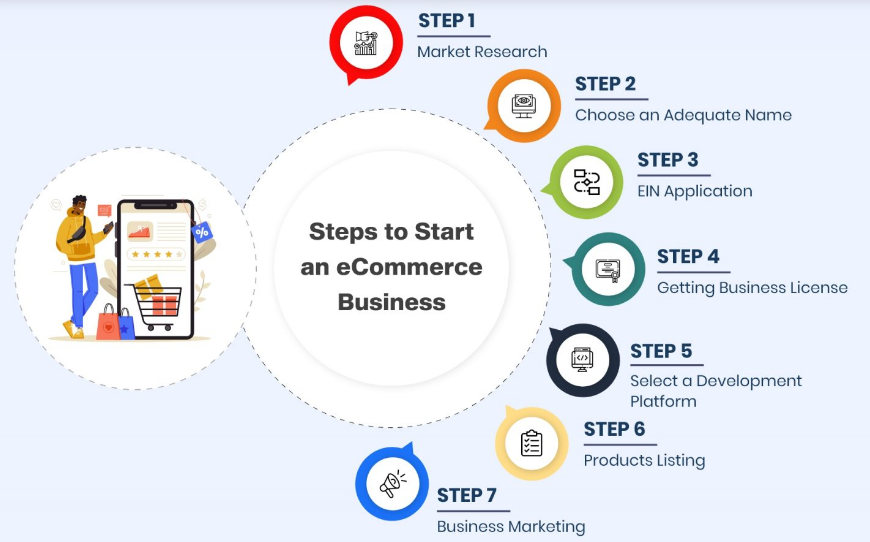
Starting an e-commerce business can be an exciting and rewarding venture.With the increasing popularity of online shopping, establishing your presence in the digital marketplace can open doors to a global customer base. However, navigating the journey from idea to launch requires careful planning and execution. In this comprehensive guide, we will walk you through the step-by-step process of starting an e-commerce business.Understanding the E-Commerce LandscapeBefore diving into the world of e-commerce, it’s essential to understand the current landscape. E-commerce refers to the buying and selling of goods and services online. With the growth of internet penetration and advancements in technology, the e-commerce industry has witnessed tremendous growth. Familiarize yourself with different business models, popular online marketplaces, and emerging trends to gain a competitive edge.Researching and Validating Your Business IdeaA successful e-commerce business starts with a solid business idea. Conduct thorough market research to identify a niche or target audience for your products or services. Analyze market demand, competition, and consumer preferences. Validate your business idea by gathering feedback, conducting surveys, and analyzing potential profitability. This step is crucial in determining the viability of your venture.Creating a Business PlanTo ensure a smooth journey, develop a comprehensive business plan. Outline your goals, target market, pricing strategy, marketing approach, and financial projections. A well-structured business plan will serve as a roadmap and help you stay focused on your objectives. It will also be crucial if you plan to seek funding or investment for your e-commerce business.Choosing the Right E-Commerce PlatformSelecting the right e-commerce platform is a critical decision. Consider factors such as ease of use, customization options, scalability, payment integrations, and support. Popular platforms like Shopify, Woocommerce, and Magento offer a range of features tailored to different business needs. Choose a platform that aligns with your requirements and budget.Setting Up Your Online StoreOnce you have chosen your e-commerce platform, it’s time to set up your online store. Register a domain name that reflects your brand identity and choose an appealing website theme or template. Customize your store’s appearance, including branding elements, colors, and logo. Configure essential settings, such as shipping options, tax rates, and email notifications.Designing a User-Friendly WebsiteDesigning a user-friendly website is vital to provide a seamless shopping experience. Optimize your website’s layout, navigation, and product categorization. Ensure easy access to search functionality and prominent product images with detailed descriptions. Implement responsive design to cater to mobile users, as a significant portion of online traffic comes from smartphones and tablets.Adding Products and Setting PricesWith your online store ready, it’s time to add products and set prices. Organize your products into relevant categories and create compelling product descriptions that highlight their features and benefits. Use high-quality images to showcase your products from different angles. Determine competitive yet profitable pricing strategies to attract customers while maintaining profitability.Establishing Secure Payment MethodsBuilding customer trust is essential for the success of your e-commerce business. Choose secure payment gateways that protect customer data and offer a seamless checkout process. Popular options include PayPal, Stripe, and Authorize.net. Implement SSL certificates to encrypt data transmission and display trust symbols to assure customers of the security of their transactions.Implementing Effective Marketing StrategiesMarketing plays a crucial role in driving traffic and sales to your e-commerce store. Develop a marketing strategy encompassing various channels such as social media marketing, email marketing, content marketing, influencer collaborations, and search engine optimization (SEO). Leverage social media platforms, create engaging content, and optimize your website for search engines to increase visibility and attract customers.Optimizing Your Website for Search EnginesImproving your website’s visibility in search engine results is vital for organic traffic and long-term success. Conduct keyword research to identify relevant search terms for your products or services. Optimize your website’s meta tags, headings, URLs, and content with targeted keywords. Focus on providing valuable and informative content that aligns with your target audience’s search intent.Building Customer Trust and Providing SupportBuilding trust is crucial to establish long-term relationships with your customers. Display customer reviews and testimonials to showcase positive experiences. Offer excellent customer support through various channels such as live chat, email, or phone. Respond promptly to inquiries and address any concerns or issues. Building a strong reputation for quality products and exceptional customer service will help you gain a loyal customer base.Managing Inventory and FulfillmentEfficient inventory management is crucial to avoid stock outs or overstocking. Implement an inventory management system to track stock levels, automate reorder processes, and synchronize inventory across multiple sales channels. Choose reliable fulfillment partners or explore options like dropshipping to handle order fulfillment seamlessly.Monitoring Analytics and Making Data-Driven DecisionsRegularly monitor website analytics to gain insights into your e-commerce business’s performance. Track key metrics such as website traffic, conversion rates, average order value, and customer acquisition cost. Use analytics tools like Google Analytics or platform-specific analytics to identify areas for improvement and make data-driven decisions to optimize your business operations.Scaling Your E-Commerce BusinessAs your e-commerce business grows, it’s essential to scale effectively. Evaluate expansion opportunities such as launching new product lines, targeting new customer segments, or exploring international markets. Invest in automation tools, outsourcing, and strategic partnerships to streamline operations and handle increased order volumes. Continuously adapt and innovate to stay ahead in the competitive e-commerce landscape.Starting an e-commerce business requires careful planning and execution. By following the step-by-step guide outlined in this article, you can navigate the journey from idea to launch successfully. Remember to conduct thorough research, create a comprehensive business plan, choose the right e-commerce platform, design a user-friendly website, implement effective marketing strategies, and prioritize customer trust and support. Conclusion:With dedication, perseverance, and continuous improvement, your e-commerce business can thrive in the dynamic digital marketplace.
More detailsPublished - Mon, 12 Jun 2023
Created by - Yashraj Gautam
What is an Online Learning Platform? How Ecommerce Guru fit into this Category?
In today’s digital era, online learning platforms have revolutionized the way we acquire knowledge and skills.With the advent of technology and the internet, learning is no longer confined to traditional classrooms. Online learning platforms offer a convenient and flexible approach to education, allowing learners to access a vast array of courses, tutorials, and resources from anywhere in the world. Among the numerous players in this field, Ecommerce Guru have emerged as significant contributors, offering specialized knowledge and expertise to aspiring entrepreneurs seeking success in the realm of online business. This blog post aims to delve into the concept of online learning platforms, their benefits, and how e-commerce gurus fit into this thriving educational landscape.What Are Online Learning Platforms?Online learning platforms, also known as e-learning platforms or virtual learning environments, refer to digital platforms that facilitate the delivery of educational content, online courses, and resources via the internet. These platforms act as intermediaries between instructors, subject-matter experts, and learners, creating a virtual space where knowledge can be shared and accessed at one’s convenience.Online Learning Platform: Core Features And Nature The core features of online learning platforms include course creation and management tools, multimedia resources, interactive assessments, and communication tools to facilitate collaboration between learners and instructors. They provide a flexible learning experience, enabling individuals to learn at their own pace and according to their own schedule. Furthermore, online learning platforms often offer a diverse range of trending online courses covering various subjects and skill sets, catering to learners with different interests and goals.Advantages Of Online Learning Platforms The rise of online learning platforms has led to several notable advantages for learners, ecommerce business owners, and instructors:AccessibilityOnline learning platforms break down geographical barriers, enabling learners from across the globe to access educational content. It eliminates the need for physical attendance, making education accessible to those who may face limitations due to distance, disability, or time constraints.FlexibilityLearners have the freedom to choose when and where they want to study. Online courses can be accessed 24/7, allowing individuals to fit learning into their busy schedules, whether they are working professionals, students, or homemakers.CustomizationOnline learning platforms offer a personalized learning experience. Learners can choose courses that align with their specific interests and goals, allowing them to focus on acquiring relevant knowledge and skills.Cost-Effective Courses including ecommerce and free SEO course, often have lower costs compared to traditional education. Learners can save on commuting expenses, accommodation, and learning materials. Additionally, online learning platforms may offer free courses or scholarships, further reducing financial barriers to education.Interactivity And EngagementOnline learning platforms employ various interactive tools and multimedia resources, enhancing learner engagement. These platforms often incorporate discussion forums, live chat sessions, and virtual classrooms to facilitate collaboration between startups business and student, knowledge sharing, and networking among learners.Self-Paced LearningOnline learning platforms allow students to learn at their own speed. This self-paced approach allows learners to spend more time on challenging topics and breeze through familiar ones. It promotes a personalized learning experience for different learning styles.Skill DevelopmentIt happens that many online platforms focus on practical skills and offer online courses that are directly applicable to real-world situations. Learners can acquire new skills or enhance existing ones, which can be valuable for personal growth, career advancement, or starting a new profession. The Role of E-Commerce GuruAn expert in the field of online platforms, specializing in areas such as ecommerce strategies, digital marketing, dropshipping, affiliate marketing, and more– this is Ecommerce Guru. We have gained substantial expertise through our personal experiences and successes in the world of online commerce. Our online platform, plays a vital role in online learning platforms by sharing its knowledge, insights, and best practices with aspiring entrepreneurs.We create and deliver courses and tutorials that provide valuable guidance on establishing and scaling online businesses. Our expertise helps learners navigate the complexities of e-commerce, teaching them the fundamentals of market research, product selection, branding, effective marketing strategies, customer acquisition, and conversion optimization.Ecommerce Guru often shares their success stories and case studies, inspiring learners and instilling confidence in their entrepreneurial endeavors. Through our courses, learners gain access to proven methodologies, practical tips, and industry insights. ConclusionWe all know that online learning platforms are already hype, but it is important to know which platform is suitable for you. For this, you have to look at all the platforms and their benefits. So to make it easy for you, our free learning platform is brimming with all the ecommerce and business information and courses you need.
More detailsPublished - Mon, 12 Jun 2023
Created by - Yashraj Gautam
What are the different types of Startups Business; A Complete Guide for full insight
When you start a business, what is the main thing that comes to mind? Business type it is.It’s easy to get the idea of doing something new, but there are plenty of businesses to choose from. Due to this, it might be difficult to pick one, so to make it facile for you, we are here with some of those startups business types. In the next lines, you’ll have a clear view of some businesses and how they work.8 Different Types Of Startups BusinessesStarting a business is a daunting task. There are numerous factors to consider, including the type of business you want to start. There are several types of startups businesses, and it is important to choose the one that is right for you. Here, we will discuss the different types of startups and ecommerce business to help you make an informed decision.Lifestyle BusinessA lifestyle business is one that is built around your lifestyle. It is a business that allows you to do what you love while making a living. This type of business is typically small, and the focus is on achieving work-life balance. Examples of lifestyle businesses include freelance writing, photography, or consulting.Fun fact: do you know that Ecommerce Guru has free online courses?Small BusinessIf there are less than 5oo employees in a business it is surely a small business. It is typically a locally owned and operated business that serves the community. Small businesses are the backbone of many economies, and they provide jobs and services to their communities. Examples of small businesses include coffee shops, hair salons, and local retail stores. Fun fact: As an online learning platform we provide free ecommerce information.Scalable StartupA business that has the potential to grow rapidly is a scalable startup. The focus of this type of business is on developing a product or service that can be sold to a large number of customers. Scalable startups business often require a significant amount of investment to get started, but they have the potential for significant returns. Examples of scalable startups include tech startups, such as Uber, Airbnb, and Dropbox.Social EnterpriseA business that is formed with a social and environmental mission is called a social enterprise. The goal of this type of business is to make a positive impact on society while generating revenue. Social enterprises often reinvest their profits back into their mission rather than distributing them to shareholders. Examples of social enterprises include TOMS shoes and Warby Parker.Fun fact: Do you know that Ecommerce Guru has a special section for startup business success stories?FranchiseA franchise is a business that is licensed by a franchisor to operate under their brand. An amount is paid to the franchisor for the right to use their business model and brand by the franchises. Franchises provide a proven business model and established brand recognition, making them an attractive option for entrepreneurs. Examples of franchises include McDonald’s, Dominos, and Burger King. For more blogs like this, you can check our free learning platform. Online BusinessAre you scrolling through your phone to order a dress? This is the online business we are talking about. This type of business can be started with minimal investment and has the potential to reach a global audience. Online businesses can take many forms, including e-commerce stores, blogs, and digital marketing agencies.Fun fact: we offer a free ecommerce course for all age groups. High-Growth StartupA high-growth startup is a business that has the potential to grow rapidly and generate significant returns for its investors. The focus of this type of business is on developing a disruptive technology or business model that can create a new market or disrupt an existing one. High-growth startups business often require a significant amount of investment to get started but have the potential for significant returns. Examples of high-growth startups include SpaceX, Tesla, and Amazon.Non-profit OrganizationSometimes, in a business, profit is not the only objective but also society and the environment. Nonprofits often rely on donations and grants to fund their operations, and they typically reinvest any profits back into their mission. Examples of nonprofits include the American Red Cross, the World Wildlife Fund, and the Bill and Melinda Gates Foundation.Creating a startup company is only the first step. Having a company that succeeds, on the other hand, involves hard work, determination, wise decisions, and some ecommerce business hacks.Ecommerce Guru: The Helping Hand In The Business WorldEcommerce Guru is an e-learning platform filled with tons of ecommerce information for every age group. We want to provide quality education free of cost so that you can learn something every day. When it comes to startups businesses we have unlimited information that you can use in your business before and after establishment. While you have a variety of starting possibilities, make sure to choose one that is a good fit for your business idea. Whatever form of venture you pursue, the most important ingredient to success in the modern day is innovation. All startups begin with a concept, and how that idea may transform the present market is critical to your startup’s success.Choosing the right type of business is essential to your success as an entrepreneur. Consider your passions, skills, and resources to determine which type of startups business is right for you. Conclusion:Whether you choose to start a lifestyle business, a small business, a scalable startup, a social enterprise, a franchise, an online business, a high-growth startup, or a nonprofit organization, do remember that any business needs effort and time to make it successful.
More detailsPublished - Mon, 12 Jun 2023

Created by - Yashraj Gautam
Get Your Daily E-Commerce Dose At Ecommerce Guru
Step into the extraordinary world of e-commerce, where dreams turn into sales and clicks transform into cash.Are you ready to embark on an exhilarating journey where knowledge is power and success is just a click away? Look no further than Ecommerce Guru—the ultimate learning platform that will electrify your e-commerce endeavors like never before. In the following paragraphs, we’ll take you on a thrilling ride through the remarkable features and mind-blowing benefits of Ecommerce Guru. Get ready to unlock your e-commerce superpowers and conquer the online business realm like a true guru!Unmasking E-Commerce Secrets With Superhero ExpertsPicture this: a secret gathering of e-commerce superheroes, each armed with their own arsenal of proven strategies and success stories. At our free learning platform, these industry leaders reveal their superpowers and clarify the secrets of online business triumph. From web design wizards to marketing masterminds, these extraordinary individuals have battled through the e-commerce trenches and emerged victorious.With Ecommerce Guru as your sidekick, you’ll have exclusive access to their wisdom, empowering you to soar above the competition and achieve unparalleled success.Daily Adventures In The E-Commerce UniverseEvery day in the e-commerce universe is an adventure filled with cosmic discoveries and electrifying trends. With our online learning platform as your interstellar guide, you’ll embark on thrilling quests through the ever-changing e-commerce landscape. From exploring new galaxies of social media marketing to harnessing the power of futuristic technologies, you’ll receive daily updates that will send shockwaves through your business strategies. Brace yourself for a pulse-pounding journey as you stay one step ahead of the pack, always ready for the next cosmic opportunity.Supercharged Learning: Your Personal E-Commerce LaboratoryImagine stepping into a high-tech laboratory equipped with cutting-edge tools and experiments designed to unleash your e-commerce potential. Ecommerce Guru is your personal laboratory, where you can conduct electrifying experiments and unlock the secrets of online success. Dive into a world of immersive learning resources, from interactive video tutorials that ignite your senses to explosive webinars that illuminate your path. With our supercharged learning techniques, you’ll acquire powers you never thought possible, leaving your competitors in awe of your newfound abilities.Assemble Your League Of Extraordinary E-Commerce HeroesEvery superhero needs a league of like-minded allies to conquer the most formidable challenges. At Ecommerce Guru, you’ll join forces with a community of e-commerce superheroes from across the globe. Engage in epic battles of knowledge in vibrant discussion forums, where you’ll forge powerful connections and form alliances with industry experts, ecommerce business owners, and seasoned professionals. Together, you’ll overcome obstacles, share triumphs, and celebrate your victories, transforming the e-commerce universe into a playground for your collective genius.Personalized Adventures Tailored To Your JourneyNo two superheroes are alike, and neither are their journeys. Ecommerce Guru understands this, which is why it offers personalized quests tailored to your specific path. Whether you’re a rookie superhero seeking to master the basics or a seasoned warrior aiming to conquer advanced techniques, we have a tailor-made adventure waiting for you. Embark on your epic quest, guided by the platform’s adaptive learning system, and witness your skills and knowledge grow exponentially. Your journey to e-commerce greatness begins here!Unlock Your E-Commerce SuperpowersWe empower you to unlock your e-commerce superpowers like never before. With expert insights, daily updates, supercharged learning resources, a thriving community, and personalized quests, our online learning platform equips you with the tools and knowledge to thrive in the dynamic world of e-commerce.Accelerated Growth With Actionable Case StudiesOne of the most effective ways to learn and grow is by studying real-world examples. We understand this and offer a treasure trove of actionable case studies from successful e-commerce businesses. Delve into the stories of entrepreneurs who have conquered the e-commerce realm, analyzing our strategies, overcoming challenges, and achieving remarkable growth. Our case studies provide invaluable insights and inspiration, allowing you to apply proven techniques to your own startups business.Continuous Support And MentorshipIn the ever-evolving world of e-commerce, having a support system and mentorship can be invaluable. We recognize the importance of guidance and offer continuous support to its learners. From experienced mentors who provide personalized advice to dedicated support staff who are ready to assist with any online learning platform-related queries, you’ll never feel alone on your e-commerce journey.What’s More?If you think this is the end, then you are wrong, because Ecommerce Guru provides more than just a daily e-commerce dose. With our multiple courses, community forum, and startup success stories, you will clearly feel the change in your career. We just hope that every student, business owner, entrepreneur, and startup business has access to a free and cost-effective learning experience with no hassle to handle.ConclusionEcommerce Guru’s daily e-commerce dose is a great space to get free and highly informative knowledge about e-commerce and businesses. For this, all you have to do is sign up on our free learning platform and explore our platform, which is brimming with so many useful insights. In the end, it does not matter if you love Batman or Spiderman as superheroes, because at the end of all these, the one who will save your future and career with proper e-commerce knowledge.
More detailsPublished - Mon, 12 Jun 2023

Created by - Yashraj Gautam
How Can Online Courses Help You Achieve Your Future Goal?
Online platforms and e-courses are becoming immensely popular. The main reason for their popularity is covid, we all know how covid situations have impacted our lives, even after 3 years.We have seen both negative and positive impact of covid and online courses come under positive impact. Additionally, students and entrepreneurs are looking for online courses to achieve their future goal. This is why we are here to tell you more about this. So stay tuned till the end. Benefits Of Signing Up For Online CoursesDiverse Courses And Different SubjectsOne of the most significant advantages is the wide range of subjects and disciplines they cover. Whether you’re interested in technology, business, arts, or any other field, you can find a plethora of e-courses tailored to your interests. These courses often cater to various skill levels, from beginners to advanced learners, allowing you to start from scratch or deepen your existing knowledge. Well, with our diverse range of courses, we will give you a choice to choose between our trending online courses. Flexible Learning Environment E-courses provide the flexibility to learn at your own pace and according to your schedule. Unlike traditional classroom settings, you can access course materials and lectures from anywhere at any time, allowing you to balance your studies with other commitments such as work or family. This flexibility is particularly beneficial for those who want to pursue education while maintaining their current job, startups business, or other responsibilities.Cost-Effectiveness Traditional education can often come with a hefty price tag, making it a barrier for many individuals. However, e-courses tend to be more cost-effective, offering high-quality education at a fraction of the cost. Moreover, you can save money on commuting, accommodation, and other expenses associated with on-campus learning. This affordability ensures that education remains accessible to a broader range of people, irrespective of their financial backgrounds. One of the key features of our online learning platform is that we provide free of cost courses including SEO, Marketing and Ecommerce.Industry-Relevant Skills Online courses are designed to equip learners with practical, up-to-date skills that are in demand in the job market. Whether you’re seeking a promotion, switching careers, or starting your own business, these courses can provide you with the necessary knowledge and expertise. Many online courses are created in collaboration with industry professionals and experts, ensuring that the content remains relevant and aligned with industry standards.Networking Opportunities E-courses often foster vibrant learning communities and provide opportunities for networking. Through discussion forums, virtual meetups, and collaborative projects, you can connect with like-minded individuals, share ideas, and build valuable professional relationships. We know that networking within your field of interest can open doors to job opportunities, startups business ideas, mentorship, and collaborations, enhancing your chances of achieving your future goals.Personal Growth And Self-DisciplineEmbarking on an online learning journey requires self-discipline, time management, and motivation. By enrolling in online courses, you develop crucial skills such as self-motivation, goal-setting, and perseverance. These qualities not only benefit your educational pursuits but also contribute to your personal growth and success in other areas of life.Learning Environment One of the most apparent differences between e-courses and traditional learning is the learning environment. Traditional learning takes place in physical classrooms, where students attend lectures, participate in discussions, and interact face-to-face with instructors and peers. On the other hand, just like other online platforms, our free learning platform is excited to tell you that e-courses provide a virtual learning environment, accessible from anywhere with an internet connection. Flexibility And Convenience Flexibility and convenience are significant advantages of online courses. With online learning, students have the freedom to create their schedules and learn at their own pace. They can access course materials and lectures at any time, allowing them to balance their studies with work, family, or other commitments. Traditional learning, on the other hand, follows a set schedule, often requiring students to attend classes at specific times, which may not be feasible for everyone.Interaction And Collaboration Traditional learning fosters direct interaction and collaboration among students and instructors. In a physical classroom, students can engage in discussions, ask questions, and receive immediate feedback. They can also form study groups, work on group projects, and participate in extracurricular activities together. Online courses, although they offer communication tools such as discussion forums and virtual meetups, may lack the same level of real-time interaction and face-to-face collaboration.Ecommerce Guru also provides you a special space to interact with other learners so you can meet with their creativity and innovative ideas from your own home. Course Material And Resources The nature of course materials and resources differs between e-courses and traditional learning. In traditional learning, textbooks, printed handouts, and physical resources are commonly used. In contrast, e-courses leverage digital resources such as e-books, interactive multimedia, videos, and online libraries. This digital format enables quick updates and access to a wide range of resources, enhancing the learning experience. Moreover, you can easily enroll in one of our trending online courses and get the benefit of videos and other education resources. Individualized LearningE-courses often offer a more personalized learning experience. With the ability to learn at your own pace, you can spend more time on challenging concepts and move quickly through familiar material. Additionally, online courses may provide adaptive learning technologies that tailor the content and pace to your individual needs. Traditional learning, while it can offer individual attention from instructors, generally follows a standardized curriculum and pace for the entire class.ConclusionWith courses or without courses, one should be dedicated and determined to achieve their future goal and this why Ecommerce Guru is here as a brimming learning platform for one and all. With us you won’t just get your hands on our courses but free ecommerce learning every day. So, are you ready to connect with us and work on your future goal?
More detailsPublished - Mon, 12 Jun 2023
Created by - Yashraj Gautam
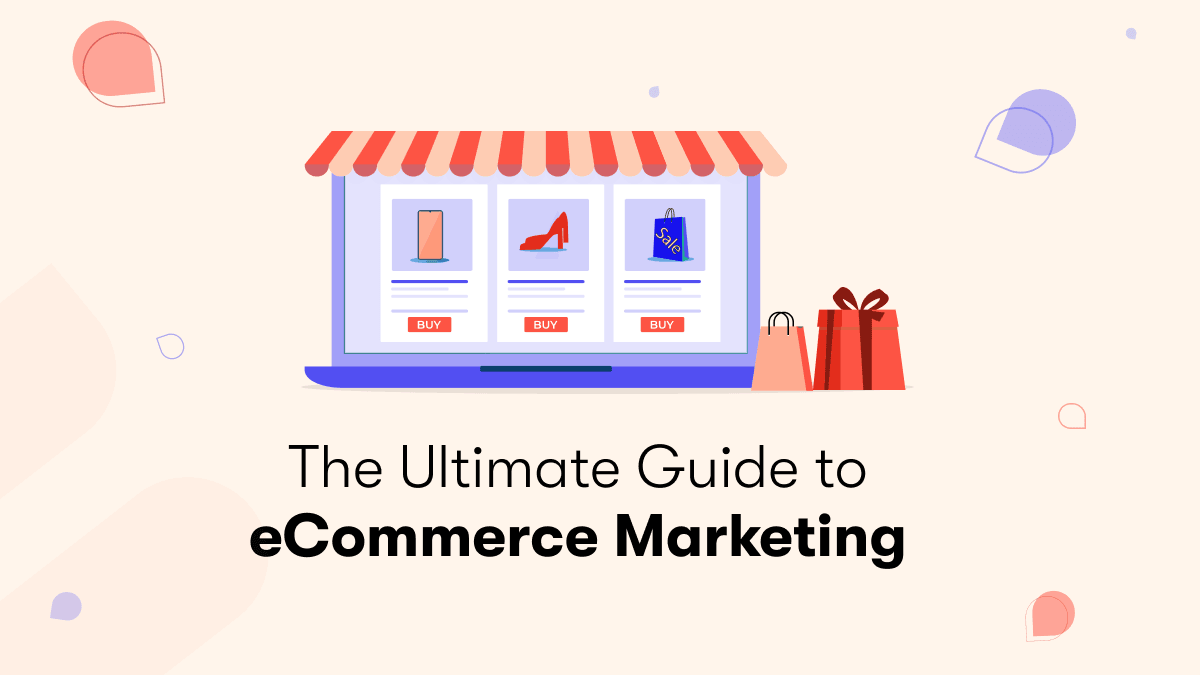
The Ultimate Guide To Product Marketing: Tips And Tricks From Ecommerce Guru
Product marketing is a crucial discipline that drives the success of a product in the market.It encompasses a wide range of activities aimed at understanding customers, positioning products effectively, and creating impactful marketing campaigns. In this ultimate guide to product marketing, we will explore the key concepts, strategies, and responsibilities that empower product marketers to excel in their roles. Join Ecommerce Guru on this exciting journey as we delve into the world of product marketing, where the customer takes center stage.A Dive Into The Abyss Of Product And Its MarketingWhat Is Product Marketing?At its core, product marketing is the process of promoting and positioning a product to a target audience of your ecommerce business, maximizing its appeal, and driving its adoption. It involves understanding customer needs, conducting market research, and creating compelling messaging and positioning to differentiate the product from competitors.Product marketing plays a pivotal role in bridging the gap between product development and sales, ensuring that the right product reaches the right customers at the right time.The Difference Between Product Marketing And Product ManagementWhile product marketing and product management share a close relationship, they have distinct roles within an organization. Product management focuses on the development, design, and improvement of products, whereas product marketing concentrates on the promotion and positioning of those products in the market.Product managers of your startups business or any other business are responsible for understanding customer needs, defining product features, and guiding the product development process. On the other hand, product marketers collaborate closely with product managers to gather insights, develop marketing strategies, create compelling messaging, and drive product awareness and adoption.What A Customer Means In Product Marketing; The Truth Of The Best Product MarketingA customer-centric approach is the foundation of successful product marketing. By understanding the needs, pain points, and aspirations of your target audience, you can develop products and marketing strategies that genuinely resonate with them. Ecommerce Guru knows that Gathering customer feedback, conducting user research, and analyzing market trends are essential steps in creating customer-centric products.What Is A Product Marketing Strategy?A product marketing strategy serves as a roadmap for effectively bringing a product to market. It outlines the key steps and activities required to reach target customers and generate demand. A well-crafted product marketing strategy aligns with the overall business objectives and considers factors such as the competitive landscape, target market segmentation, pricing, distribution channels, and promotional tactics.As a free learning platform, we offer lots of marketing strategies, tips, methods, techniques, and tactics for various ecommerce topics. The strategy should emphasize differentiation, showcase the unique value proposition of the product, and address customer pain points. It should also incorporate a deep understanding of the target audience and their purchasing behaviors, enabling product marketers to tailor their messaging and positioning accordingly.What Are The Responsibilities Of A Product Marketer Or Manager?The role of a product marketer is dynamic and multifaceted. Here are some key responsibilities that define the domain:Market ResearchProduct marketers of your ecommerce business conduct comprehensive market research to understand customer needs, analyze industry trends, and identify opportunities. This insight helps shape product positioning and informs decision-making throughout the product lifecycle.Messaging and PositioningCrafting compelling messaging and positioning is a core responsibility of product marketers of startups business or any business. They distill complex product features into simple, customer-centric language that resonates with the target audience. Effective messaging communicates the value proposition and sets the product apart from competitors.Go-To-Market StrategyProduct marketers collaborate with cross-functional teams to develop a comprehensive go-to-market strategy. This includes planning product launches, determining pricing strategies, identifying distribution channels, and creating marketing campaigns that drive awareness, engagement, and adoption.If you want to learn more about marketing then sign up to our online learning platform.Sales EnablementProduct marketers work closely with sales teams, providing them with the necessary tools, resources, and training to effectively sell the product. This may involve developing sales collateral, conducting product training sessions, and creating competitive analyses to equip sales representatives with the information they need to succeed.Ecommerce Guru do provide training sessions and live sessions, interested learners can take this benefit on our platform. Product marketers must continuously listen to customers, seek feedback, and monitor market dynamics to identify emerging trends and evolving needs. But what’s more important here is that every point and every aspect is as relevant as the others, so all you can do is make sure you have good relationships with your customers, business partners, clients, and store managers in order to see your product at the top of the list.Conclusion:We are presenting you with an online learning platform to solve all your tangled theories and questions. We are one of the best and most brimming learning platforms that is not for a specific age group but for all. So, this is when we leave you to explore and learn more.
More detailsPublished - Mon, 12 Jun 2023

Created by - Yashraj Gautam
The Top 10 Mistakes Startups Make and How to Avoid Them
Starting a startup can be an exhilarating experience. It's a journey filled with ambition, passion, and the potential for great success. However, it's also a journey fraught with challenges and pitfalls that can derail even the most promising ventures. In this article, we will explore the top 10 mistakes that startups often make and provide valuable insights on how to avoid them. So whether you're an aspiring entrepreneur or already running a startup, read on to ensure you stay on the path to success.IntroductionStartups are known for their innovative ideas, disruptive technologies, and entrepreneurial spirit. However, despite these positive attributes, they often make critical mistakes that hinder their growth and sustainability. By understanding these common pitfalls and learning how to navigate around them, you can increase your chances of building a successful startup.1. Lack of Market ResearchOne of the biggest mistakes startups make is not conducting thorough market research before launching their products or services. Market research provides valuable insights into customer needs, preferences, and market trends. It helps you understand your target audience, identify competitors, and validate your business idea. Failing to invest time and effort in market research can lead to building a product or service that has no market demand, resulting in wasted resources and missed opportunities.2. Poor Financial PlanningAnother common mistake startups make is neglecting proper financial planning. Many entrepreneurs focus on developing their product or service but fail to create a comprehensive financial plan. This can lead to cash flow problems, inadequate funding, and ultimately, the failure of the startup. It's crucial to create a realistic budget, forecast expenses and revenues, and secure sufficient funding to support your business operations.3. Inadequate Team BuildingBuilding the right team is essential for startup success. However, startups often make the mistake of not prioritizing team building. Hiring the wrong people or failing to build a diverse and complementary team can hinder growth and productivity. It's important to invest time in recruiting, selecting, and retaining talented individuals who share your vision and have the skills and expertise necessary to contribute to your startup's success.4. Ignoring Customer FeedbackCustomer feedback is invaluable for startups, yet many entrepreneurs overlook its significance. Ignoring or dismissing customer feedback can result in missed opportunities for improvement and innovation. By actively seeking and listening to customer feedback, you can gain valuable insights into their needs, identify areas for improvement, and build stronger customer relationships.5. Weak Online PresenceIn today's digital age, having a strong online presence is crucial for startups. However, many startups underestimate the power of digital marketing and neglect to build a robust online presence. Investing in search engine optimization (SEO), social media marketing, content creation, and a user-friendly website can significantly enhance your visibility, attract customers, and drive growth.6. Scaling Too QuicklyWhile rapid growth is often seen as a measure of success, scaling too quickly can be detrimental to startups. Premature scaling can strain resources, lead to operational inefficiencies, and compromise the quality of your product or service. It's important to carefully evaluate the scalability of your business, ensure you have the necessary infrastructure and resources in place, and scale at a pace that aligns with your capacity to deliver value.7. Lack of FocusStartups are often filled with ambitious ideas and grand visions. However, chasing too many opportunities simultaneously can dilute your focus and hinder progress. It's crucial to define a clear vision, set strategic goals, and prioritize initiatives that align with your core objectives. Maintaining focus and avoiding distractions will enable you to make better decisions, allocate resources effectively, and stay on track towards achieving your startup's mission.8. Failure to AdaptThe business landscape is constantly evolving, and startups need to be adaptable to survive and thrive. Failing to adapt to changing market conditions, emerging technologies, and customer preferences can lead to obsolescence. Embracing a culture of innovation, staying abreast of industry trends, and being open to change will position your startup for long-term success.9. Ignoring Legal and Compliance IssuesLegal and compliance matters may not be the most exciting aspects of running a startup, but neglecting them can have severe consequences. Startups often make the mistake of ignoring legal requirements, intellectual property protection, and data privacy regulations. Failing to address these issues can result in costly lawsuits, reputational damage, and even the shutdown of your business. It's essential to consult with legal professionals and ensure your startup operates within the bounds of the law.10. ConclusionStarting a startup is a thrilling endeavor, but it comes with its fair share of challenges. By being aware of the top 10 mistakes that startups make and taking proactive measures to avoid them, you can significantly increase your chances of success. Remember to conduct thorough market research, develop a solid financial plan, build a talented team, listen to customer feedback, establish a strong online presence, scale at the right pace, stay focused, embrace adaptability, and prioritize legal compliance. By avoiding these mistakes, you'll be well-positioned to navigate the competitive startup landscape and build a thriving business.
More detailsPublished - Wed, 14 Jun 2023
Search
Popular categories
Ecommerce Trends
239Business
54Marketing
37Website
23Social Media
22Courses
21Latest blogs
The Power of Email Marketing in eCommerce
Fri, 15 Mar 2024

Tips for Optimizing Product Pages for Conversions
Thu, 14 Mar 2024
Mastering SEO for eCommerce Websites
Wed, 13 Mar 2024
Write a public review