
Created by - Yashraj Gautam
"5 Lessons Learned from Launching My Own Startup"
Starting your own business can be an exhilarating and challenging journey. As an aspiring entrepreneur, I took the plunge and launched my own startup in the ever-evolving world of e-commerce. Throughout this exciting experience, I've learned valuable lessons that have shaped my entrepreneurial mindset and helped me navigate the complexities of running a business. In this blog post, I will share the top five lessons I've learned from launching my own startup, highlighting the importance of free learning platforms, e-commerce courses, online gurus, and leveraging online learning to maximize success.Embrace the Power of Free Learning Platforms:One of the most significant advantages of the digital age is the accessibility to knowledge. Aspiring entrepreneurs can now tap into a vast array of free learning platforms to acquire essential skills and knowledge. Whether it's learning the fundamentals of e-commerce or mastering advanced business strategies, free online courses offer a wealth of resources at no cost. Platforms like [Online Learning Platform] provide a diverse range of courses, including free e-commerce courses, SEO tutorials, and more. By leveraging these resources, I was able to enhance my understanding of the e-commerce landscape without burning a hole in my pocket.Invest in E-commerce Courses:While free learning platforms are excellent starting points, investing in specialized e-commerce courses can provide you with a deeper understanding of the industry. These courses, often created by industry experts, offer comprehensive insights and practical strategies for running a successful e-commerce business. Look for renowned online gurus or experts who offer paid courses tailored to your specific needs. The knowledge gained from these courses can significantly impact your decision-making process, marketing strategies, and overall business growth.Learn from Online Gurus:Online gurus are individuals who have achieved remarkable success in the e-commerce industry and are willing to share their insights and experiences. Following influential figures and thought leaders in the e-commerce space can expose you to innovative ideas, industry trends, and proven strategies. By observing their journeys, you can gain inspiration and valuable advice to apply to your own startup. Take advantage of their online presence through social media, blogs, podcasts, and webinars. Learning from those who have walked the path before you can be immensely valuable as you navigate the challenges of entrepreneurship.Leverage Trending Online Courses:As technology continues to evolve, new trends and techniques emerge within the e-commerce landscape. It's crucial to stay up-to-date with the latest industry practices to remain competitive. By enrolling in trending online courses, you can gain insights into emerging technologies, marketing strategies, and customer preferences. For example, courses on artificial intelligence (AI) in e-commerce, influencer marketing, and data analytics can provide you with a competitive edge. Investing in continuous learning and staying abreast of industry trends will help your startup adapt and thrive in a rapidly changing environment.Implement E-commerce Business Hacks:Running an e-commerce business requires creativity, adaptability, and the ability to find efficient solutions. E-commerce business hacks are practical tips and tricks that can save you time, effort, and resources. These hacks can include automating repetitive tasks, streamlining inventory management, optimizing website performance, and implementing effective customer service strategies. Engaging with online communities, forums, and blogs dedicated to e-commerce can provide valuable insights into these hacks. By implementing these strategies, you can optimize your business operations and drive growth.Conclusion:Launching your own startup can be an exhilarating yet challenging endeavor. However, by embracing the power of free learning platforms, investing in specialized e-commerce courses, learning from online gurus, leveraging trending online courses, and implementing e-commerce business hacks, you can pave the way for success. Remember, the e-commerce industry is ever-evolving.
More detailsPublished - Wed, 14 Jun 2023
Created by - Yashraj Gautam
"The Importance of Networking for Startup Success"
In today's fast-paced and competitive business world, startups face numerous challenges when trying to establish themselves and achieve long-term success. While having a great idea and a solid business plan are crucial, one often overlooked factor that can significantly impact the trajectory of a startup is networking. Building a strong network of contacts and connections can be the key to unlocking opportunities, gaining valuable insights, and ultimately propelling your startup towards success.Networking provides entrepreneurs with a platform to exchange knowledge, share experiences, and connect with like-minded individuals who can offer guidance and support. In the digital age, networking has become easier than ever, thanks to online platforms and communities that bring entrepreneurs together. One such platform is the free learning platform, which offers a plethora of resources to help startups thrive.One of the fundamental aspects of running a successful startup is understanding the world of ecommerce. With the rising popularity of online shopping and the ever-growing number of online consumers, having a solid grasp of ecommerce is essential. Fortunately, there are many online courses available that can provide valuable insights into the intricacies of running an ecommerce business.Whether you're a beginner or an experienced entrepreneur, taking advantage of a free ecommerce course can offer you a competitive edge. These courses cover topics ranging from setting up an online store to implementing effective marketing strategies and managing inventory. By equipping yourself with the knowledge and skills taught by ecommerce gurus, you can make informed decisions and avoid common pitfalls in the industry.In addition to ecommerce-specific courses, there are other trending online courses that can benefit startups across various industries. For example, a free SEO course can help you optimize your website and improve your online visibility, leading to increased organic traffic and potential customers. Learning the fundamentals of search engine optimization is crucial in today's digital landscape, where appearing on the first page of search results can make a significant difference.Entrepreneurs often face unique challenges when starting a new venture, and having access to business-related courses can provide valuable insights and strategies. "From understanding the fundamentals of finance to learning about effective marketing tactics, these courses can help startups navigate the complexities of the business world. Online learning platforms offer a wide range of business courses, many of which are available for free, making them accessible to startups with limited resources."Networking goes beyond attending conferences or industry events. It also includes actively engaging with professionals in your field through online communities and social media platforms. By participating in relevant discussions, sharing your expertise, and seeking advice, you can build meaningful connections and establish yourself as a credible figure within your industry. These connections can lead to partnerships, collaborations, and even potential investors for your startup.Furthermore, networking provides opportunities for mentorship. Connecting with experienced entrepreneurs who have successfully built their own businesses can offer invaluable guidance and advice. Mentors can share their insights, help you avoid common pitfalls, and provide the motivation needed to persevere during challenging times. Building relationships with mentors can be a game-changer for startups, as they bring a wealth of knowledge and experience to the table.Conclusion:Networking is an essential ingredient for startup success. By actively engaging with professionals, taking advantage of online learning platforms, and participating in industry-specific courses, entrepreneurs can gain the knowledge, skills, and connections necessary to navigate the challenging startup landscape. Networking provides access to valuable resources, mentorship opportunities, and potential collaborations, all of which can significantly impact the growth and success of a startup. So, embrace the power of networking and watch your startup thrive.
More detailsPublished - Wed, 14 Jun 2023

Created by - Yashraj Gautam
"From Idea to Execution: A Step-by-Step Guide for Starting Your Own Business"
IntroductionStarting your own business can be an exciting and rewarding endeavor, but it requires careful planning and execution. In today's digital age, the online world offers numerous opportunities for aspiring entrepreneurs to bring their ideas to life. Whether you're looking to venture into the world of e-commerce or explore other business sectors, this step-by-step guide will provide you with the essential insights to turn your idea into a successful reality. In this article, we will discuss how free online learning platforms and courses can play a crucial role in your entrepreneurial journey.Define Your Idea and Market ResearchThe first step towards starting a successful business is to define your idea. Identify a product or service that solves a problem or fulfills a need in the market. Once you have a clear concept, conduct thorough market research to understand your target audience, competitors, and industry trends. This will help you validate your idea and determine its viability.Acquire Knowledge with Free Online Learning PlatformsIn today's digital landscape, there is a wealth of knowledge available at your fingertips. Utilize free online learning platforms that offer a wide range of courses to enhance your business skills. Look for courses specifically tailored to entrepreneurship, e-commerce, and digital marketing. These courses can provide you with valuable insights and equip you with the tools needed to run a successful business.Explore Free E-commerce CoursesE-commerce has become a booming industry, and understanding its nuances is essential for any aspiring entrepreneur. Look for free e-commerce courses that cover topics such as product sourcing, inventory management, payment gateways, and customer acquisition. These courses will give you a solid foundation in the fundamentals of running an online business.Learn from E-commerce GuruThere are countless successful e-commerce entrepreneurs who are willing to share their knowledge and experiences. Follow influential e-commerce gurus through their blogs, podcasts, and social media channels. Their insights can provide you with invaluable advice, tips, and tricks for running a thriving e-commerce business. Engage with their content, participate in forums, and network with like-minded individuals to expand your knowledge further.Embrace Online Courses for Business DevelopmentTo succeed in today's competitive business landscape, it's crucial to continuously upgrade your skills and knowledge. Look for trending online courses that cover topics such as digital marketing, SEO, social media advertising, and business development. These courses will enable you to stay ahead of the curve and implement effective strategies to grow your business.Tap into E-commerce Business HacksEntrepreneurship is a continuous learning process, and you should always be open to discovering new business hacks and strategies. Explore online forums, blogs, and communities where entrepreneurs share their insights and experiences. Learn from their mistakes and successes to refine your own business strategies. Remember, staying adaptable and willing to learn from others is key to long-term success.Leverage the Power of Online Learning PlatformsOnline learning platforms have revolutionized education by providing convenient access to a vast array of courses and resources. Take advantage of these platforms to access free courses, webinars, and tutorials on various business topics. Some platforms even offer certifications that can add credibility to your business profile and attract potential investors or customers.ConclusionStarting your own business requires careful planning, continuous learning, and a strong commitment to your goals. By following this step-by-step guide, utilizing free online learning platforms, and embracing the wealth of knowledge available, you can take your idea from conception to execution. Remember, entrepreneurship is a journey of constant growth and adaptation. Stay determined, leverage the power of online learning, and never stop pursuing your dreams. Success awaits those who are willing to seize the opportunities presented by the ever-expanding digital world.
More detailsPublished - Wed, 14 Jun 2023

Created by - Yashraj Gautam
"The Pros and Cons of Bootstrapping vs. Seeking Funding for Your Startup"
Starting a new business can be an exciting and challenging venture. One of the crucial decisions entrepreneurs face is determining the best way to fund their startup. While some prefer bootstrapping, relying on personal savings and revenue generated by the business, others seek external funding through investors or loans. In this blog, we will explore the pros and cons of bootstrapping and seeking funding for your startup, weighing the advantages and disadvantages to help you make an informed decision.Bootstrapping: Learning and Growing on Your OwnBootstrapping refers to building and growing your startup with limited external resources, often relying on personal finances, revenue reinvestment, and cost-effective strategies. Here are the pros and cons of bootstrapping:Pros:Autonomy and Control: By bootstrapping your startup, you retain full control over the decision-making process, allowing you to shape your business according to your vision and values.Flexibility: Bootstrapping allows you to be agile and adaptive, as you can quickly pivot your business model or make adjustments based on market feedback, without external pressures or obligations.Lean Operations: With limited resources, you become resourceful and learn to do more with less. This promotes efficiency and helps you prioritize expenses, ensuring every dollar spent contributes directly to the growth of your business.Free Learning Platforms and Online Courses: Bootstrapping encourages self-education and continuous learning. Take advantage of free learning platforms and online courses to enhance your knowledge and skills in areas such as e-commerce, SEO, and other business essentials.Cons:Limited Capital: The main challenge of bootstrapping is the limited access to capital. This can restrict your ability to invest in technology, talent acquisition, marketing campaigns, or other growth initiatives that require significant upfront costs.Slow Growth: Without substantial funding, your startup's growth trajectory may be slower compared to funded counterparts. Limited resources can constrain your scalability and hinder your ability to seize immediate market opportunities.Increased Risk: As an entrepreneur, you bear a greater personal financial risk when bootstrapping. If your startup fails, you may face significant financial setbacks and potentially exhaust personal savings.Seeking Funding: Accelerating Growth with External SupportSeeking funding involves securing financial backing from investors, venture capitalists, or through loans. Let's explore the advantages and disadvantages of seeking funding for your startup:Pros:Access to Capital: Funding enables you to secure the necessary capital to invest in critical resources, accelerate product development, expand marketing efforts, and scale your business more rapidly.Networking and Expertise: Investors often bring valuable industry experience, networks, and mentorship to the table. Their guidance can help you navigate challenges, make strategic decisions, and open doors to new opportunities.Faster Market Penetration: With sufficient funding, you can enter the market with a strong presence, gaining a competitive edge and increasing your chances of success.Business Validation: Attracting external funding can serve as a validation of your startup's potential, boosting your credibility in the eyes of customers, partners, and other stakeholders.Cons:Loss of Control: By accepting external funding, you may relinquish a certain degree of control over decision-making and the direction of your business. Investors may have different priorities or expectations that can impact your autonomy.Dilution of Ownership: Equity-based funding often involves giving up a percentage of ownership in your company. This dilution can diminish your overall stake in the business and potentially limit your long-term financial gains.Stringent Expectations: External investors typically have profit-driven objectives and expect a return on their investment within a specific timeframe. This may result in added pressure and short-term focus
More detailsPublished - Wed, 14 Jun 2023

Created by - Yashraj Gautam
"Why Failure is Essential to the Success of Your Startup"
Launching a startup is an exhilarating journey, filled with countless challenges and potential pitfalls. As an aspiring entrepreneur, you may dream of seamless success, but it's crucial to recognize the importance of failure along the way. In fact, failure can be a valuable teacher, providing essential lessons that pave the path to success. This blog explores why failure is an essential ingredient in the recipe for startup success, and how embracing it can help you grow your ecommerce business. Additionally, we'll highlight the role of online learning platforms, such as free ecommerce courses, in enhancing your knowledge and skill set to overcome obstacles. Let's delve into the topic!Failure as a Learning Opportunity:Failure is often viewed as something negative, but in reality, it's a powerful learning tool. When you encounter setbacks, mistakes, or unanticipated challenges, it's an opportunity to assess what went wrong and gain invaluable insights. Analyzing failure helps you identify weaknesses, refine your strategies, and build resilience, ultimately leading to a stronger and more successful business.Overcoming Fear of Failure:Fear of failure can be paralyzing for entrepreneurs. However, viewing failure as a stepping stone to success can help alleviate this fear. Understand that even the most successful entrepreneurs have experienced failure multiple times before achieving greatness. Embrace failure as a natural part of the entrepreneurial journey, and use it as motivation to push forward, learn, and adapt.Adaptability and Innovation:Startups operate in a dynamic and ever-evolving landscape. Embracing failure allows you to be more adaptable and open to change. When things don't go as planned, it encourages you to pivot, explore new ideas, and innovate. This adaptability enables you to stay ahead of the competition and identify opportunities that may have otherwise been overlooked.Testing and Iteration:Failure provides the opportunity to test assumptions and hypotheses. Through trial and error, you gain a deeper understanding of your target market, customer preferences, and product-market fit. Each failure is a chance to iterate and refine your offerings, ensuring that you are constantly improving and delivering value to your customers.Leveraging Online Learning Platforms:To navigate the challenges of entrepreneurship, continuous learning is essential. Online learning platforms offer a wealth of knowledge and resources that can help you acquire new skills and stay up-to-date with industry trends. Seek out free ecommerce courses, SEO courses, and other relevant online courses to expand your expertise. By investing time in learning, you equip yourself with the tools necessary to navigate obstacles and make informed decisions.Learning from Industry Gurus:Online learning platforms often provide access to industry experts and successful entrepreneurs who share their experiences and insights. Learning from these gurus can be immensely valuable, as they offer practical advice and strategies based on their own failures and triumphs. Their expertise can guide you in making informed decisions, avoiding common pitfalls, and accelerating your startup's growth.Building a Network and Collaboration:Failure can be isolating, but it doesn't have to be. Online learning platforms foster communities of like-minded individuals, creating opportunities for collaboration, mentorship, and support. Engaging with other entrepreneurs and professionals in your industry allows you to share experiences, gain different perspectives, and build a strong support network. Learning from the failures of others can save you from making the same mistakes and provide a sense of camaraderie on your entrepreneurial journey.Conclusion:In the entrepreneurial world, failure is not an obstacle to success but an essential stepping stone. Embracing failure as a valuable learning opportunity enables you to refine your strategies, adapt to changing circumstances, and foster innovation.
More detailsPublished - Wed, 14 Jun 2023
Created by - Yashraj Gautam
"10 Expert Tips for Designing a User-Friendly Website"
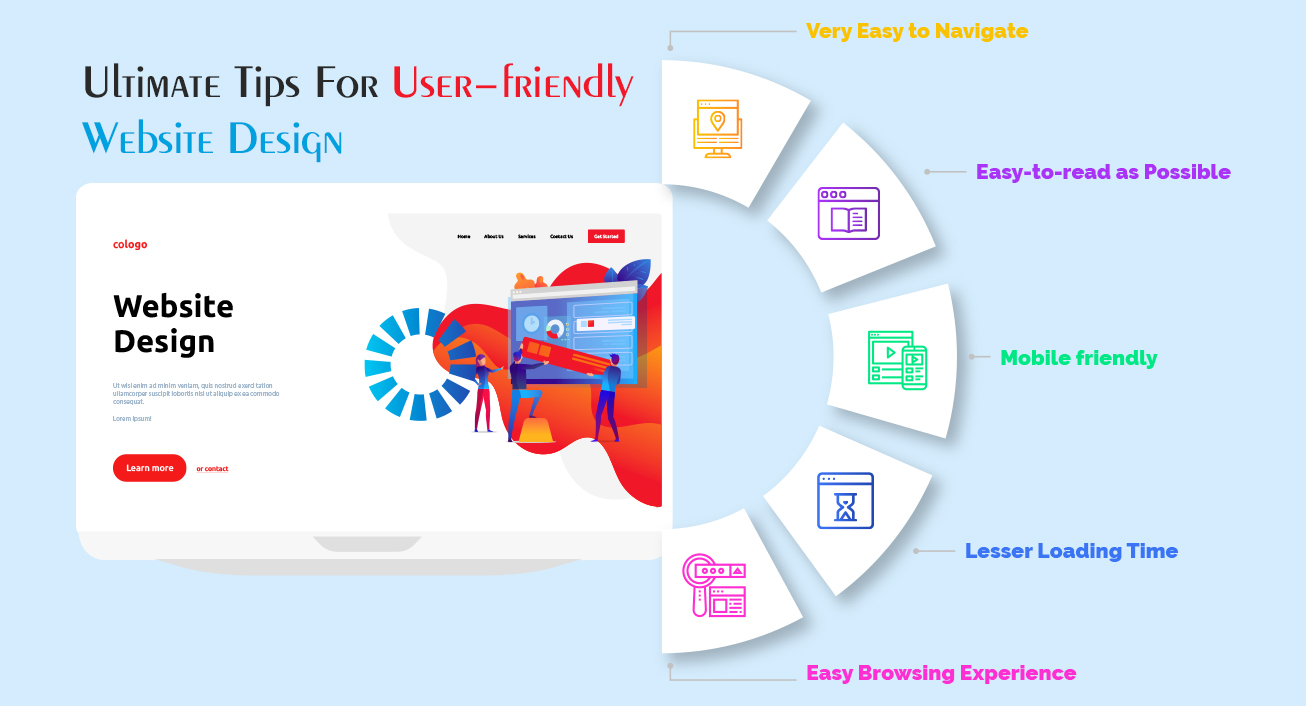
In the digital era, having a user-friendly website is crucial for the success of any online business. A well-designed website not only attracts visitors but also keeps them engaged and encourages conversions. Whether you're starting an e-commerce business or looking to improve your existing website, these 10 expert tips will help you create a user-friendly online platform. Plus, we'll highlight some valuable resources available on free learning platforms and online courses to enhance your web design skills.Plan your website's structure:Before diving into the design process, create a clear and organized structure for your website. Define your main pages, categories, and subcategories. This will ensure a logical flow and easy navigation for your visitors. Free learning platforms often offer courses on website planning and organization, helping you streamline this crucial step.Optimize website speed:Website speed is a critical factor for user experience and search engine optimization. A slow-loading website can discourage visitors and negatively impact your search rankings. Optimize your website's speed by minimizing image sizes, using caching techniques, and choosing a reliable hosting provider. Online courses on web performance and optimization can provide valuable insights and techniques.Implement responsive design:With the increasing use of mobile devices, responsive design is essential. Ensure your website is mobile-friendly and automatically adjusts its layout to different screen sizes. This improves the user experience and boosts your website's SEO rankings. Many free learning platforms offer courses on responsive web design, allowing you to learn at your own pace.Focus on intuitive navigation:Make navigation intuitive and easy to use. Use clear and descriptive menu labels, provide a search function, and include breadcrumbs to help visitors understand their current location on your website. Free online courses on user experience (UX) design can teach you effective navigation techniques.Use consistent branding:Consistency in branding helps build trust and recognition. Use a consistent color palette, typography, and logo placement throughout your website. Ensure your branding aligns with your target audience and reflects your business's personality. Free learning platforms often offer courses on branding and visual design to help you create a cohesive website.Optimize content for readability:Visitors should be able to consume your content easily. Use readable fonts, appropriate font sizes, and sufficient line spacing. Break up content with headings, subheadings, bullet points, and paragraphs to enhance readability. Free courses on content design and typography can provide you with additional knowledge and skills in this area.Prioritize clear and concise messaging:Communicate your key messages clearly and concisely. Use headlines, subheadings, and bullet points to highlight important information. Craft compelling and concise copy that conveys your value proposition and engages your audience. Free online courses on copywriting and content strategy can help you improve your messaging skills.Optimize for search engines:To increase organic traffic to your website, implement search engine optimization (SEO) strategies. Research relevant keywords and incorporate them naturally into your content, meta tags, and URLs. Free SEO courses available on online learning platforms can teach you the fundamentals of optimizing your website for search engines.Include strong calls-to-action (CTAs):Guide your visitors towards desired actions by using persuasive and visually appealing calls-to-action. Use contrasting colors, clear text, and strategic placement to make your CTAs stand out. Online courses on conversion rate optimization (CRO) can provide you with valuable insights into creating effective CTAs.Test and gather feedback:Continuously test your website's design and functionality to identify areas for improvement. Conduct usability tests, gather feedback from users, and analyze website analytics to make data-driven decisions. Online courses on user testing and website analytics can equip you with the necessary skills to evaluate and optimize your website.Conclusion:Designing a user-friendly website is a crucial aspect of any successful online business. By following these expert tips and taking advantage of the numerous resources available on free learning platforms and online courses, you can enhance your web design skills and create an engaging and intuitive website. Invest time in learning and implementing these strategies to maximize the potential of your e-commerce or startup business and provide an exceptional user experience for your visitors.
More detailsPublished - Thu, 15 Jun 2023
Created by - Yashraj Gautam
"10 Essential Skills to Master for a Successful Career in Digital Marketing"
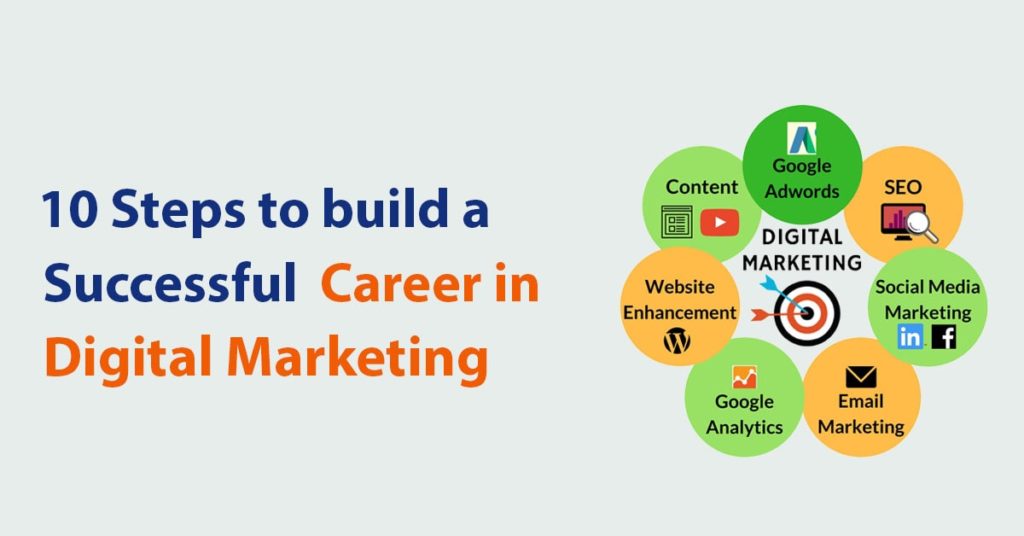
In today's digital age, the field of marketing has witnessed a significant shift towards online platforms. Digital marketing has become an indispensable tool for businesses, including eCommerce ventures and startups, to reach their target audience effectively. To thrive in this ever-evolving industry, it is crucial to acquire and master a range of essential skills. Thankfully, there are numerous free learning platforms and online courses available to help you develop these skills. In this blog, we will explore the ten essential skills you need to master for a successful career in digital marketing.Understanding the Basics of Digital Marketing:Begin by gaining a solid foundation in digital marketing concepts. Familiarize yourself with terms such as SEO, PPC, content marketing, social media marketing, email marketing, and analytics. Free online courses on platforms like Coursera, Udemy, and HubSpot Academy can help you grasp the fundamentals.Content Creation and Copywriting:The ability to create compelling and engaging content is a crucial skill in digital marketing. Learn to write persuasive copy, create engaging blog posts, craft effective emails, and produce engaging social media content. Websites like Copy blogger and Content Marketing Institute offer valuable resources to enhance your writing skills.Search Engine Optimization (SEO):A free SEO course can significantly boost your career prospects. Understand the principles of on-page and off-page SEO, keyword research, link building, and website optimization techniques. Stay up-to-date with the latest SEO trends and algorithm updates to ensure maximum visibility for websites and online content.Data Analytics and Interpretation:Digital marketers need to be comfortable working with data. Learn to interpret analytics tools like Google Analytics to track website performance, analyze user behavior, and measure campaign success. Platforms like Google Analytics Academy provide free online courses to help you develop these skills.Social Media Marketing:Harness the power of social media platforms to connect with your target audience. Familiarize yourself with various social media channels, understand their algorithms, and learn to create effective social media strategies. Free resources like Hootsuite's Social Media Marketing Certification course can provide valuable insights.Pay-Per-Click (PPC) Advertising:Master the art of PPC advertising, which involves creating and managing online advertising campaigns. Platforms like Google Ads and Facebook Ads provide free resources and certifications to help you become proficient in this field. Gain expertise in keyword research, ad targeting, bid management, and conversion tracking.Email Marketing:Learn to craft compelling email campaigns to engage customers and drive conversions. Understand email marketing automation, segmentation, A/B testing, and performance tracking. Platforms like MailChimp and HubSpot offer free resources to enhance your email marketing skills.Conversion Rate Optimization (CRO):Optimizing conversion rates is essential for eCommerce businesses. Learn the principles of CRO, including A/B testing, user experience (UX) design, landing page optimization, and persuasive copywriting. Websites like Conversion XL and Optimize provide valuable insights and resources on CRO techniques.Mobile Marketing:With the rise of smartphones, mobile marketing has become a vital component of digital strategies. Understand mobile advertising, responsive web design, app marketing, and location-based marketing. Keep up with industry trends and leverage platforms like Google Mobile Ads to stay ahead.Continuous Learning and Adaptability:The digital marketing landscape is constantly evolving. Develop a growth mindset, embrace change, and remain open to learning new skills and techniques. Stay updated with industry news, follow influential digital marketers, and participate in online communities to stay ahead of the curve.Conclusion:Mastering these ten essential skills will pave the way for a successful career in digital marketing. The availability of free learning platforms and online courses makes it easier than ever to acquire these skills.
More detailsPublished - Thu, 15 Jun 2023

Created by - Yashraj Gautam
"The Benefits of Learning a Second Language and How to Get Started"
In today's interconnected world, the ability to speak multiple languages is a valuable skill that offers numerous benefits. Not only does learning a second language enhance communication abilities, but it also provides cognitive advantages, expands cultural understanding, and opens up new opportunities. In this blog post, we will explore the benefits of learning a second language and provide you with guidance on how to get started. Additionally, we will introduce some free online learning platforms that offer courses on various topics, including e-commerce and SEO.Cognitive AdvantagesNumerous studies have shown that learning a second language improves cognitive function and enhances brain development. It stimulates areas of the brain associated with memory, problem-solving, and multitasking. Bilingual individuals tend to have better attention spans, improved decision-making skills, and enhanced creativity. These cognitive benefits extend beyond language-related tasks and can positively impact various aspects of life.Improved Communication SkillsOne of the most obvious advantages of learning a second language is the ability to communicate with a wider range of people. Whether you're traveling to a foreign country or interacting with multicultural communities in your own city, being able to speak their language fosters deeper connections and understanding. Learning a second language also hones your listening skills, making you a more attentive and effective communicator in your native language as well.Cultural Understanding and EmpathyLanguage and culture are deeply intertwined. Learning a second language provides insights into different cultures, traditions, and perspectives. It allows you to appreciate diverse cultural nuances and communicate with people from various backgrounds on a deeper level. This increased cultural understanding fosters empathy, tolerance, and the ability to adapt to new situations—a crucial skill in our globalized society.Professional OpportunitiesIn an increasingly competitive job market, having proficiency in a second language can give you a significant advantage. Many international companies seek employees who can communicate with clients and colleagues from different countries. Learning a second language makes you a valuable asset in sectors such as tourism, hospitality, international business, diplomacy, and translation services. It broadens your professional network and can open doors to exciting career prospects.Getting Started with Learning a Second LanguageNow that we've explored the benefits of learning a second language, let's discuss how to embark on this enriching journey.Set Clear Goals: Determine why you want to learn a second language. Are you motivated by personal interest, career opportunities, or travel plans? Setting specific goals will help you stay focused and motivated throughout the learning process.Choose the Right Language: Select a language that aligns with your interests and goals. Consider the language's relevance to your personal or professional life, the availability of learning resources, and the cultural exposure it offers.Find a Free Online Learning Platform: There are numerous online platforms that offer free language courses for beginners. Some popular options include Duolingo, Babbel, and Memrise. These platforms provide interactive lessons, quizzes, and gamified learning experiences to make the process enjoyable and engaging.Immerse Yourself in the Language: Seek opportunities to practice the language outside of the learning platform. Watch movies or TV shows in the target language, listen to podcasts, engage with native speakers through language exchange platforms, or join local language meetups.Stay Consistent and Practice Regularly: Learning a language requires regular practice. Dedicate a specific time each day or week to study and reinforce what you've learned. Consistency is key to making progress and retaining knowledge.Conclusion:Learning a second language offers a wide range of benefits, from cognitive advantages to enhanced communication skills and cultural understanding. It expands your horizons and opens up new personal and professional opportunities. With the availability of free online learning platforms, getting started on your language
More detailsPublished - Thu, 15 Jun 2023

Created by - Yashraj Gautam
Why You Should Be Worried About The Future Of The Website
In an increasingly digital world, websites have become integral to our daily lives. They serve as gateways to information, platforms for communication, and marketplaces for businesses. However, as technology rapidly advances, the future of websites faces several concerning challenges. As an online learning platform, we know the importance of proper knowledge this is why we bring you the reasons why you should be worried about the future of websites and the potential implications for individuals and businesses alike.The Rise of Mobile ApplicationsIn recent years, mobile applications have gained significant popularity, surpassing websites in terms of user engagement. The convenience and accessibility offered by apps have led many users to rely on them instead of traditional websites. This shift poses a threat to the future of websites, as businesses may opt to invest more heavily in developing mobile applications, potentially neglecting the optimization and maintenance of their websites. Consequently, this could limit the availability and functionality of websites, leaving users with a diminished online experience. Although, ecommerce business with more mobile user customers is trying to adopt everything within their business border. Evolving User ExpectationsAs technology progresses, user expectations for website experiences continue to evolve. Visitors now demand fast loading times, intuitive navigation, and personalized content tailored to their preferences. Failure to meet these expectations can result in high bounce rates and decreased user satisfaction. With advancements in augmented reality (AR) and virtual reality (VR) technologies, users may soon anticipate immersive website experiences. The challenge for website developers is to keep up with these rising expectations, makes websites become outdated and fail to engage users effectively. To know more about AI or VR, check out our free learning platform.Increasing Cybersecurity Threats The digital landscape is fraught with cybersecurity risks, and websites are often prime targets for hackers. As technology advances, so do the techniques employed by cybercriminals, making it harder to ensure the security of websites. Data breaches, ransomware attacks, and identity theft are all significant concerns. As an online learning platform, we know the future of websites hinges on their ability to address these threats effectively as users become increasingly wary of sharing their personal information online. Without robust security measures, users may lose trust in websites, leading to a decline in their usage.Artificial Intelligence and AutomationArtificial Intelligence (AI) and automation are revolutionizing various industries, including web development. While these technologies offer numerous benefits, such as improved customer support and enhanced user experiences, they also pose challenges to the future of websites. AI-powered chatbots and voice assistants are becoming more prevalent, potentially reducing the need for traditional website interfaces. Additionally, automated content generation tools may lead to a saturation of generic, cookie-cutter websites, diminishing the uniqueness and creativity that websites can offer. Many people prefer to take online courses to get into the details of topics like automation, which benefits their business in the long run.Changing Search Engine Algorithms Search engines play a pivotal role in driving traffic to websites. However, search engine algorithms are constantly evolving to deliver more accurate and relevant search results. As a result, websites must adapt to these changes to maintain their visibility and ranking in search engine results pages (SERPs). Failure to do so can result in decreased organic traffic and limited online exposure. The dynamic nature of search engine optimization (SEO) requires continuous efforts to optimize websites, making the future of websites uncertain for those unable to keep up with ever-changing algorithms. Plus, the start-ups business is where people face the most challenges from their set audience to algorithms they have to keep an eye on everything.Conclusion While websites remain a fundamental part of our online experience, it is crucial to acknowledge the challenges they face in an ever-evolving digital landscape. The rise of mobile applications, evolving user expectations, cybersecurity threats, the impact of AI and automation, and changing search engine algorithms all contribute to the uncertainties surrounding the future of websites. By recognizing these concerns, ecommerce business, start-up, and individuals can proactively adapt, invest in innovation, and prioritize the maintenance and improvement of websites to ensure their continued relevance and effectiveness in the years to come.
More detailsPublished - Fri, 16 Jun 2023
Search
Popular categories
Ecommerce Trends
239Business
54Marketing
37Website
23Social Media
22Courses
21Latest blogs
The Power of Email Marketing in eCommerce
Fri, 15 Mar 2024

Tips for Optimizing Product Pages for Conversions
Thu, 14 Mar 2024
Mastering SEO for eCommerce Websites
Wed, 13 Mar 2024
Write a public review