Created by - Yashraj Gautam
How to Start an Online Clothing Boutique in 2022?
Launching an e-commerce business through very little investment from any location is straightforward.If you are thinking about how to sell online in India, then continue reading the article.Recommended: Get an Amazon Training at just Rs.99Things to consider before creating an online boutiquePassionIf you have passion in any business category, you can start a boutique with that particular category. If you think of long term business, you need love and patience.NetworkingThe most important asset to lead any business is to build a network.Find people who would love to know your values and products. Through social media like LinkedIn, Facebook, Instagram or Twitter, you can start a small business and get some ideas.Digital MarketingIt is essential to know everything about your clothing store to run a boutique. While posting anything on social media, you need to be familiar with search engine optimization, paid campaigns, social media marketing, email marketing and poster designing.How to start an online boutique?Choose a nicheKnow the things which you are passionate about. Be it gardening, arts, craft, skincare or fashion; you can start a business along with complete knowledge of a particular niche.Understand the marketTo start and lead a successful boutique, it is imperative to know the benefits and product range in the present market. You need to understand the product launch by considering the customer’s needs.Have a business modelA business model will make your journey easy by taking practical steps at the correct time and creating more value for customers. The business model should be filled with your Idea and how your customer thinks.Write down a possible business idea, required investment value and resources you need to launch your business.Develop and design your productsIf you have a transparent business model set in your mind, you can easily make products and sell them in the market.Some ways on how to sell products online in India are as follows:Dropshipping: You can sell products by taking them from a third party through dropshipping.Manufacturing business: you can ultimately build your product and supplied to the wholesalers and retailers at a low cost.Reselling: buying products from a wholesaler and selling it at your Store.Print on demand: you can design t-shirts by building the customers’ preferred design.Build a brand name and logo: start building a brand name that would suit your niche and design a simple logo through which you can create a public profile on any app.Label the products with price and discounts: before launching a product, including cash flow, profit margin, sales tax and other expenses like shipping.Create your online eCommerce website: Building an e-commerce store is is quite an easy task. You can make your eCommerce Store from Shopify, WordPress, Amazon and Instagram.Figure out the payment method and shipping: Make sure you add a payment method through which every customer can pay without much effort. Please calculate the shipping charges and make sure your customer is aware of them.Make your product ready to launch in the market: After completing all the steps, you can now market your online boutique through Instagram, search engine marketing, Facebook ads, email marketing and LinkedIn.How to become a seller on amazonTo become a seller on Amazon, make sure you have a GST number, Aadhar card, PAN card, house rent bill or electricity bill.You can sign up for a form in your Amazon seller account and add your products to start selling.
More detailsPublished - Thu, 08 Jun 2023
Created by - Yashraj Gautam
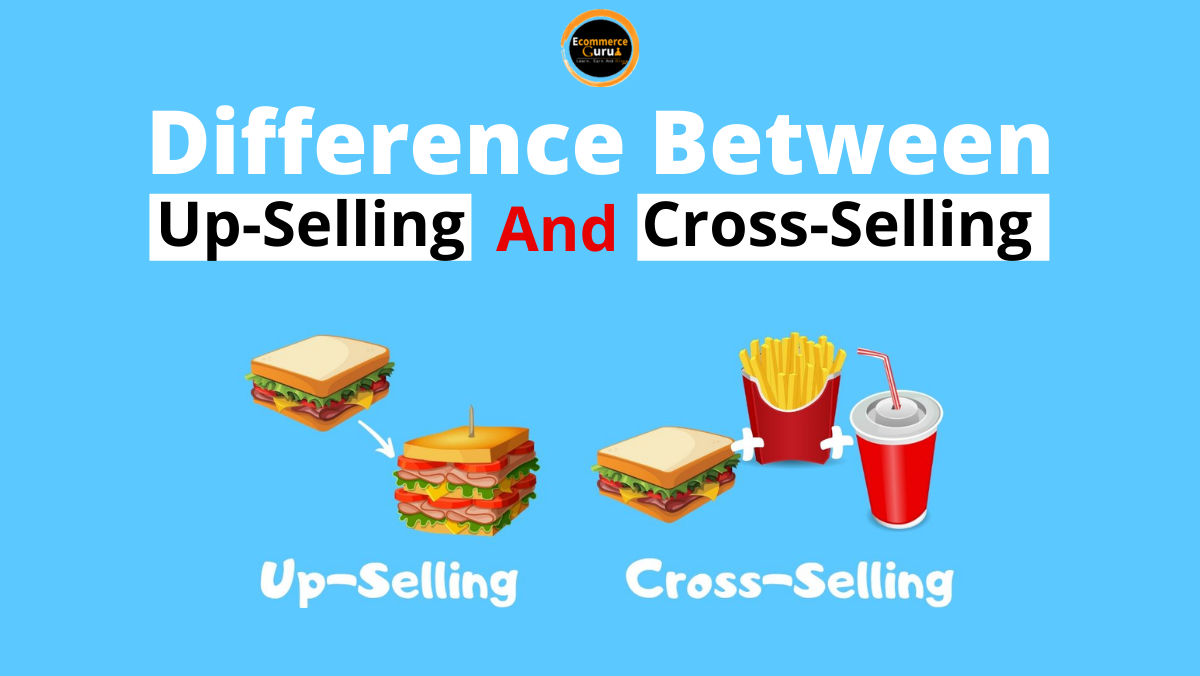
Difference Between Up-Selling & Cross-Selling | Which is best strategy?
What is Up-Selling?Upselling is to sell similar products but of higher quality and more price. It involves the process of convincing the buyer to buy a better version of a similar product which will add more value to their purchase.Up-selling Examples:When you go to any shop, suppose you ask for a certain laptop. The seller would suggest you another one with more features and attractive qualities which are not in the one you have decided to buy. By persuading you about the newer features, the seller would make you buy the expensive one with more features. This is what upselling is.What is Cross-Selling?Cross-selling is a process where the seller tries to convince the buyer to purchase some additional products which are complementary or related to the previous one. In this case, the seller tries to show the customers the extra value they are getting and hence earn the maximum revenue from them while creating a better shopping experience for them as well. They make the customers buy more than what they have decided.Cross-selling Example:Suppose you go to a clothes store and ask for a Shirt of a certain colour. The seller would suggest you buy matching pants, shoes or jackets etc. This is what cross-selling is. You will probably create a perfect outfit in your mind adding those pants, jackets or shoes to the shirt you wanted to buy and end up purchasing all of those.Difference Between Up-Selling and Cross-Selling:● Upselling helps in increasing the sales revenue. It makes the buyer spend an extra amount of money for the same kind of product but with better quality. Whereas cross-selling, not only increases the sales revenue but also increases the number of items sold that come from different categories.So Upselling increases the actual revenue whereas cross-selling increases the overall revenue of a shop.● In upselling, the seller understands the needs of the customer and accordingly shows some better quality products. But in cross-selling, the seller suggests some related products from his side to make the customer purchase those for a better experience.● In upselling, the seller persuades the customer to spend extra money on the products he wants to buy in the first place. But in cross-selling, the product that the seller wants the customer to purchase may not be his need at all. So both require a different skill set to convince the customer.● Upselling aims at increasing the average purchase of the shop. It helps in incrementing the total amount of money a particular customer spends for shopping. Whereas cross-selling ensures the increment of average sales per customer. It means they buy more products and also spend more than what they have decided.● In upselling, the sale of a particular product goes higher and the profit is mostly due to that one product. But in cross-selling, the overall sale of the shop increases and the profit amount gets dispersed through different products.● Looking at both upselling and cross-selling from a different perspective, upselling is to sell additional features of similar products whereas cross-selling is to sell additional products by making them related to the existing product which the customers want.Bottom line:Both Of those are great tools to market your products or services without any extra effort. They are great if you want to increase your customer base. Also, they both aim at the ultimate same goal which is to increase the revenue of the business. But both require different approaches with which the sellers should convince the buyers. To upsell and cross-sell products, the seller should have the knowledge and skills to undertake what the customer needs and how she can be convinced to spend that extra amount of money either for a high-quality product or for some other products.
More detailsPublished - Thu, 08 Jun 2023
Created by - Yashraj Gautam
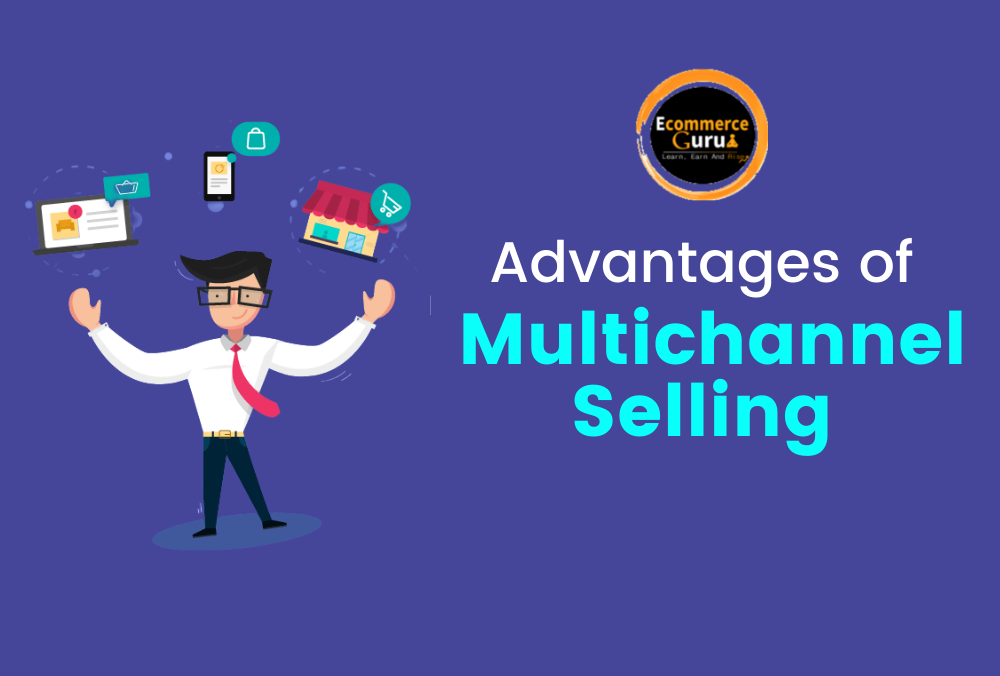
The Primary Advantages of Multichannel Selling | Ecommerce-Guru
Each seller begins by selling on a single platform, with the ultimate objective of growing their business through the benefits of multichannel selling.As a result, the multichannel eCommerce platform assists vendors in reaching this aim and guides them about how to sell products online.Although 73 percent of merchants believe that selling across various channels is important, just 38 percent believe that selling on a single platform is. If you’re still undecided about using a multi-channel eCommerce platform, consider the following benefits of doing so.Click to get Amazon Training at just Rs.99Customer Perception in an improved mannerConsumer loyalty is high for brands that provide a frictionless purchasing experience. They are, nevertheless, seen as being responsive to client demands, buying patterns, and internet savvy. Multichannel distribution allows brands to stand out in selling marketplace not just because of reduced pricing, but also because it is more convenient.Conversion rate is improvedA multi-channel eCommerce network provides you additional selling options, which means that, in addition to the ability to target a wide range of market segments, your brand’s recognition will skyrocket. It will assist in attracting more potential buyers and, as a consequence, enhance revenues. It also provides you with a variety of upselling incentives, ranging from ordinary transactions to incentive transactions to personalised reviews, all of which benefit your bottom line.Customer loyalty is increased.Consumers want to be able to make purchases while doing other things and on the go in today’s chaotic world. Online selling sites India software enables you to provide a more streamlined and seamless customer experience across many sales channels. increase client retentionThis also allows you to provide a variety of customer support channels, such as social media and live chat, as well as email and telephone, all of which will reward you with increased client satisfaction in the form of greater feedback and future purchases.Risk is lessA multi-channel eCommerce network eliminates the risk of depending on a single-channel sales system. A multi-channel product listing programme helps you sustain by diversifying the risk on the other networks in the event that one of your accounts is suspended or one selling route loses traction.Presence Expands It guides you with how to sell product on amazon. The customer scope is considerably greater when you increase your market presence using a multichannel order management system. As a result, you will be able to increase your mass market penetration. Even if you’re a small business, you can use Amazon’s massive reach to get your product and/or service in front of a much larger audience of potential customers. Increased visibility will eventually lead to greater money thanks to multi-channel sales software’s straightforward fulfilment and checkout processes.Improves inventory A multichannel inventory management application may aggregate data from all networks, processes, and divisions. It guarantees that you can trace the inventory of a given product across all of its storage sites. It has two major benefits. To begin, if you see that a default shipment location isn’t perfect, you may choose the next lowest shipping position to save money on shipping charges. Furthermore, if you make an order for an out-of-stock item, you may check with each distributor to see if it can be supplied from a different location, thus saving you a sale that would otherwise be lost.Collect useful information They assist you in gathering a wide range of information on your clients. Because you have so many selling channels, you can create a detailed profile of your target market as a whole. A multichannel listing app may help you obtain and analyse key data such as their purchase history, demographics, time zone, location, devices they use to shop, preferences, and so on. All of this information will immensely aid you in properly structuring your sales plan and marketing techniques in order to increase your conversion rate.Concentrate on your target marketsMerchants may generate customised promotions based on the shopping platform that their B2B clients use. Retailers who sell across many channels of distribution have more information about their consumers and may use that knowledge to enhance sales. The possibility for businesses to include tailored marketing and so improve brand recognition is typically provided by tracking customer transactions.So that was all there was to it when it came to the benefits of multichannel selling. Now tell us about the greatest selling e-commerce platforms.
More detailsPublished - Thu, 08 Jun 2023

Created by - Yashraj Gautam
How to Run an ABC Analysis to Find Best & Worst Performing Inventory
ABC analysis is an inventory categorization method that determines the most and least valuable product in one’s inventory.Followed on the lines of the Pareto principle, it says that 20% of the most useful products in your inventory is accountable for 80% of the total revenue a company or store makes.The inventory management system is not only complex but also quite expensive. A study reveals that nearly $1.35 is required behind inventory for every dollar of sales made.Coming back to ABC analysis, let us dig deep and learn more about it.Click to get Amazon Training at just Rs.99What is ABC Analysis?As discussed earlier, ABC analysis is a method to determine the best and worst-performing products within your inventory. While it follows the Pareto principle or the 80/20 rule, here is a deeper classification of this methodA Grade- This class is for the best performing product. This product is responsible for bringing the maximum revenue. Since it is the most valuable product, it should be safe and prioritized.B Grade- This product class fluctuates between best and worst and accounts for nearly 15% of the total revenue.C Grade- This class of products is the worst-performing inventory and accounts for almost 5% of the total revenue. These products are also referred to as dead stock.Benefits of ABC AnalysisFree business consulting sessions tell you that there are many added benefits of running an ABC analysis regularly. Some of them are listed here.Better Inventory ManagementThe best and worst-performing items are clearly highlighted when you run an ABC analysis on your inventory. Pick the A-grade products and put the maximum budget selling them for entire revenue generation. Deprioritize the C grade products since they bring minimum value with the help of an inventory management tool.Better Customer SatisfactionFree e-commerce training and ABC analysis help you determine the grade-A products; you can work on them more closely and ensure that they are always available at the disposal of your customers. Make sure that you never miss the opportunity to sell your best-selling product.Improved Pricing DecisionsWhen you have your worst performing products listed, you can spend less on them and save some revenue. Thereby, you can use that revenue to increase the sale of the Grade A products for maximum return.How to Run an ABC Analysis?To run a proper ABC analysis, you need a simple formula to calculate the best and worst-performing products. Firstly, you need to calculate the revenue generated by a particular product. Next, divide the number by the total revenue generated after selling all the available products at your store. Repeat the process every time, and you will get a fair idea of the best and worst-performing items.The top 80% of revenue-generating products are A-grade products. Falling in the middle of the rack are B grade products. Apart from that, the least performing or 5% revenue-generating products are the C grade products. ABC analysis is a required method every business should perform.
More detailsPublished - Thu, 08 Jun 2023

Created by - Yashraj Gautam
How to Start a Subscription Business: A Brief Guide- Find an Idea (2022)
Since people are more inclined towards convenient services these days, they have turned to e-commerce sites. Their subscription plans are suitable and save a lot of bucks for customers. While the overall subscription e-commerce market is expected to reach a mammoth economic mark of $473 billion by the end of 2025, it is already a people’s favourite while it was only $15 billion in 2019. A great majority of the consumers have already signed up for some subscription services to get items of daily use. Teens these days are never short of business ideas to start from home, and hence the popularity and opportunities within this market are immense. If you are willing to create one of these subscription businesses, you need to know the specifications behind the model.What is Subscription Business?The subscription business model is an up and coming business model where consumers pay a certain recurring fee to access a specific product or service.Here are the benefits of this business model.Anticipated RevenueWhen you set a separate subscription fee, you will have an idea of the anticipated income at the end of every month. All you need is to determine the exact number of consumers who have signed up for the plan.Efficient Cash FlowAs most businesses pay for the total amount in advance, even if it is at a discounted price, the cash flow remains steady. Hence the subscription revenue model in e-commerce is so popular among teens and business giants.Customer Acquisition is CheapThe best part about a subscription business model is customer acquisition is relatively inexpensive compared to a pay-per-product business model. Since there is a steady flow of revenue as the consumers regularly pay, drawing new customers on board is never a worry.Customers are LoyalWhen customers purchase your product or service at a regular interval, you are more likely to study their behaviour better and closer. The frequent intervention helps to constantly improve the quality of your services, and hence the loyalty chain is maintained. As per a study, nearly 67% of the old customers tend to make more purchases than new customers.How to Build a Subscription ModelAs the small business ideas for teens is growing every passing day, different platforms are coming up with ideas to help teens reach their goals. They provide the basis for people to implement their ideas and build an entire business. Platforms like Shopify have helped create subscription businesses for people. They have methods to optimize your business and provide better solutions.All you need to do to launch your business is sign up for these platforms, design your business and subscription model, and start working to collect customers. With the help of some other third-party applications, you can boost your sales, manage your business and facilitate the existing relationships better with your customers. These third-party apps are linked to the parent app and help you smoothen your work.
More detailsPublished - Thu, 08 Jun 2023

Created by - Yashraj Gautam
Ruma: The Craft of India – A Brand That Empowers Women
A woman’s journey to becoming a household name begins with her own.As a small group of women artisans contributed INR 100 to buy cloth, threads, and plastic wrappers for making cushions and bags, Ruma Devi’s grit turned into “Ruma – The Craft of India.”It’s more than just her name that people refer to Rumaji Devi these days. It is an artisan-created platform that connects rural India directly to urban India. The saga of Ruma Devi exemplifies how trade is now the key to success. If you’ve been putting off starting a business based on a hobby or a passion of yours, now is the moment to sign up for a free Shopify trial and take the plunge. By knowing her story you can know how to start an ecommerce business.How Ruma Devi rose from ghoonghat to glorificationRuma Devi, a symbol of women’s empowerment in rural India, enables rural Indian artisans to earn a living with dignity.With only a needle and thread at hand, a single person began a journey to create village art that the fashion industry has recognized worldwide.The President of India has given her the Nari Shakti Award for her outstanding work in the sector. In India, the Ministry of Women and Child Development awards the Nari Shakti Puraskar or Award to women and institutions actively empowering women.Despite being raised in the barrens of Barmer’sRawatsar village, Ruma Devi was forced to drop out of school in the eighth grade before receiving an honorary doctorate from Harvard University for her pioneering work in the field of women’s empowerment through traditional craft practice innovation.On International Women’s Day 2019, she was honored in the House of Lords of the British Parliament for her exceptional leadership.Today, she has transformed the lives of more than 25,000 rural women artisans who reside in the Thar desert’s most populous towns.It all began when she lost her mother at the tender age of four and wed at the tender age of 17 years old, a shift from ghoonghat to grandeur. As a result of the chaotic family situation, Ruma Devi’s first child died within 48 hours since she couldn’t access primary medical care.A woman’s existence was confined to the confines of her own house, veiled and confined to her family’s social constraints. Back then, like many other women in the villages, she had little choice but to work as a domestic to help support her family.In 2007, she took a massive step toward making her grandmother’s traditional craft, which she learned as a youngster, her primary focus. To begin with, she opted to sell her wares at local fairs and trade exhibits, enlisting the assistance of other women craftsmen in the area to help her expand her operation.As time went on, she discarded the veil, broke free of the constraints of her upbringing, and transformed her trade into a life-saving and life-altering passion project. As a result of her bravery and faith, more than 22,000 rural women artisans have improved their lives.It became known as “Ruma – The Craft of India” due to this.With the help of Shopify, they began their online journey.The Edelgive Foundation stepped up to support Ruma Devi’s online efforts. However, the initial storefront was built on an eCommerce business platform that had its difficulties and could not scale readily due to a lack of support for the system. She follow an excellent ecommerce marketing strategy.Shopify was introduced to Ruma Devi and her colleagues around this time. “When we started constructing our website on Shopify store, we were initially afraid, but it proved to be a blessing for all of our craftsmen,” they say. When we learned that Shopify had accepted us, we were ecstatic.Ruma Devi built up an online store using Shopify’s eCommerce platform to showcase the products made by artisans and connect them with buyers more quickly, allowing them to sell their products worldwide. We’re delighted to be a part of a storefront, www.rumadevi.com, which sells handcrafted goods to customers throughout India.
More detailsPublished - Fri, 09 Jun 2023
Created by - Yashraj Gautam
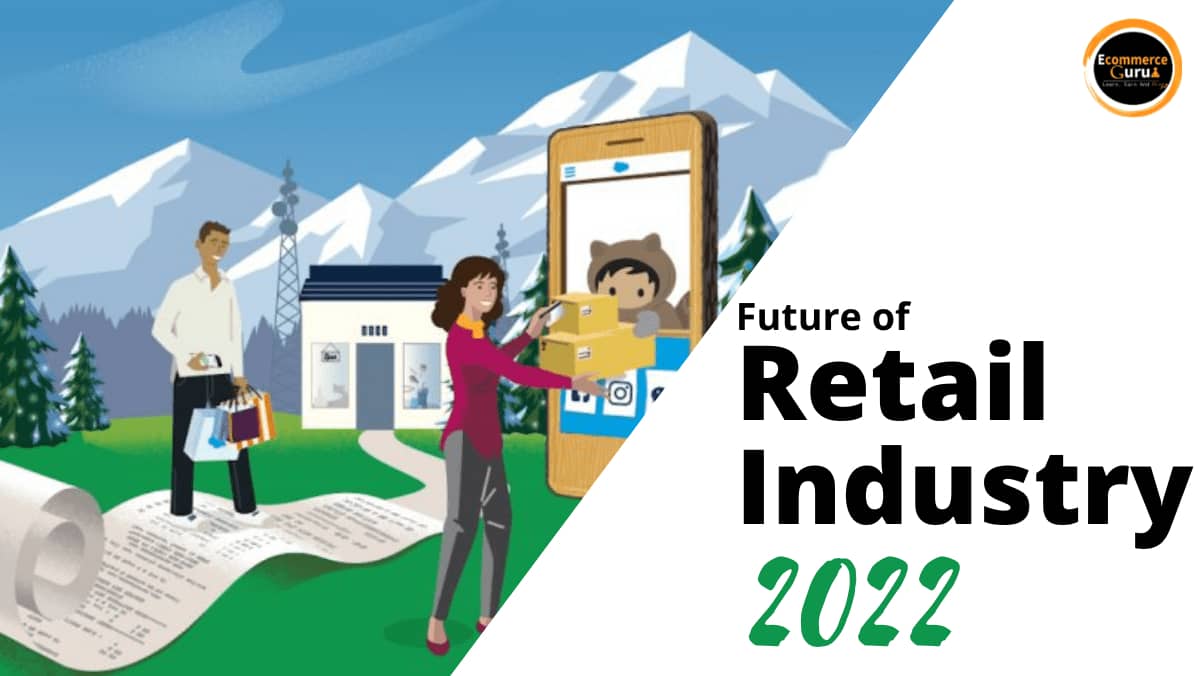
What is the Future of Retail Industry in 2022?
The retail industry is in the midst of a significant change when the exponential growth of e-commerce, new technology, and ubiquitous shopping opportunities is on the rise. Yes, the retail industry is changing rapidly with unprecedented advances, and when something grows big, it requires a considerable amount of focus; similar to the retail industry in India.“But as we all know that the COVID pandemic has undoubtedly affected almost every industry, the retail industry is the worst hit. Being restricted from physically opening all stores, the volume of investment in the retail businesses has also reduced.”Is the retail industry falling towards the dark future, or will it overcome and grow even further than before?Well, it is a vast and unpredictable thing to do. But we have made our efforts to give you a precise overview of the retail industry’s future. In this article, a few points will be kept in consideration for you, even if you are a seller or a shopper. Evolution Of Retail Industry The growth of the retail sector has been the changing way of shopping over the years. The retail industry is undergoing massive changes across the globe, with new consumers’ shopping habits and technology developments having a significant impact on physical stores. But this is just a current facade of the recent retail industry, which is certainly not enough to understand the future challenges or opportunities of the retail industry in India.Let’s dive deep into the topic.How Was The Retail Sector Previously Used To Be?Buying and selling is not a new thing; this process has been going on since the existence of humankind. To trace the entire history of retail trade, or as it was earlier called the sell-buy process, we should know when buyer and seller had to use barter systems (exchange of goods to buy desired goods). It sometimes led to the indivisibility of certain goods, difficulty in storing value, or lack of a standard measure of value.Present & Future With Some Interesting FiguresThe retail industry shares a global market value of approximately $23,000 billion in 2022, rising with an annual compound rate of 2.4% since 2015. Moreover, it is expected to grow at a sustainable growth rate of 7.7% and might reach $30,000 billion in 2021-2026. With the current growth of the ecommerce industry, the pioneers are expecting the retail industry in India and global collectively to pass the target of $40,000 billion in 2030 with a collective growth rate of 6.4%. But Will These Figures Remain The Same?We should not overshadow the volatility of the market according to future scenarios, and especially we must be a little cautious after living in this ongoing pandemic. Everyone talks about the impact of the pandemic on the retail industry. How exactly is it affecting? This is not the first time the world has been going through adversity like the covid pandemic. We have faced many pandemics or epidemics in the past like “The Black Death” or “The Bubonic Plague,” Cholera, Spanish Flu, Smallpox, Polio, and so on. But the scale of the blow for the retail sector we are experiencing this time is entirely incomparable. Is Pandemic Responsible For Shifting The Retail Industry’s Future With A Modern-Day Approach? No, not completely, because more than 45% of the world’s population has already switched to advanced means and methods. 15-20% of people were interested in opting for the internet for their daily routine needs; only a small section of the population felt hesitant in using the e-options.The way the pandemic has engulfed the e-commerce industry is unprecedented. The enormous impact of the pandemic has imbibed more people to try and use modern-day methods.You must have gained a brief understanding of the past and present conditions of the retail industry meaning. Let’s view what professional industry experts have predicted for the retail industries’ future, along with some quick tips for sellers and buyers:A Great Level Of Online PenetrationDue to a lack of audience involvement in the offline retail industry, sellers will opt to shift their operations to online mode. This is because offline methods are expensive, whenever they want to advertise on television, radio, print media, or billboards, all these will cost them dearly. So it might not be a good deal to pursue this in the future.Sellers with physical stores will find it more convenient and beneficial to operate with their new e-stores rather than the traditional ones.Importance Of PartnershipsThe retail industry meaning is vast as it also includes retail partnership is basically a collaboration between two parties, each depending on the resource and user base of the others to generate or increase its revenue. It is imperative to innovate regularly and bang on the following available opportunities.Going into the partnership is like a win-win situation for the retail business. It requires limited resources from a single person, but make sure you choose a reliable partner.More Emphasis on Customer ExperienceAs we move towards the ultra-modern era of Internet business, it is clear that customers’ expectations from their brands are also increasing. Negative or positive reviews undoubtedly affect a business in the long run.Getting the best customer experience is one of the hardest things, but your delivery capabilities can improve with continued efforts and focus.Social Media Will Play A Huge RoleReaching and attracting different audiences for your brand can be done effectively only with the help of social media platforms, as more platforms are emerging as a part of marketing for many businesses. Thus, it is believed that social media platforms for retail businesses will multiply.Choosing the right social networking site can always be difficult, so never be lazy while selecting a reliable social media medium.Let’s Wrap UpArguably, the growth of the retail sector across the globe is mainly influenced by the effects of various key factors such as diversification, globalization, innovation, and expansion. All these factors still have the same importance. Still, the way pandemics or other unfortunate events prevail has completely changed experts’ perception of the retail industry’s future.We believe that we have provided you with extensive knowledge and current Indian retail industry analysis 2022 with future predictions and professional tips.
More detailsPublished - Fri, 09 Jun 2023
Created by - Yashraj Gautam
Top Tips To Write Thank You Email For Your Customers
One of the most potent ways to build a relationship with someone is by saying Thank You.So, are you trying to frame a relationship with your customers and wondering how to say thank you in email professionally? Do not worry! We will guide you with this.Showing gratitude and appreciation towards your customers for investing in your business is a great initiative to look at. Thank you email for support can be used for many purposes like to welcome a new member or subscriber, for purchase completion, for customer feedback, for a special occasion, etc.Thank you emails are like making customers feel that you care about them, and it also increases the customers’ experience with the company. For this, companies started a thank-you email campaign to market their brand worldwide. Let’s see what it is.Automated Thank You EmailsAutomated thank you emails are automated using some AI tools that help businesses directly target their customers and send those emails to them. Companies started this to gain customers’ positive and engaging reviews.So, to create meaningful, engaging, and visionary emails to gain customer value, here are some fantastic examples of thank you emails to meet your business goals.Thank You Email About The Purchase CompletionA thank you email subject line with an empathetic message to your customer is an excellent method of broadening your brand value, and it is a mode of getting to know about customers’ purchases and their receipt orders. These emails can also include some attachments such as feedback forms, discount offers on related items, promotions of new things, etc.This will increase the sales of the company. For example, Myntra always sends their customer a thank you email whenever a respective customer places an order. They also attach feedback forms so that the customer can review their experience with them. Welcoming A New Customer Or SubscriberWhenever a new subscriber subscribes to your services or a new customer views your company, it is the first step to welcoming them abroad. The thank you emails for support are generally sent when there is a confirmation of subscription. These emails mainly start with ‘Thank you for visiting us’ or ‘Thank you for subscribing us’. For example, Amazon Prime always sends a thank you-cum-welcome email to its new customer. Promotional Thank You EmailPromoting your services whilst saying thank you to your customers is a game of mind. Who does not love offers on your favourite things and on no occasion? Customers always look for special offers on the things they like. A thank you email sample can be sent to the customers, including a promotional advertisement such that people can’t stop themselves from availing of that offer, and it is also a great way to build customers’ trust. For example, Pizza Hut always provides special offers to their customers while saying thank you for buying food from them.Thank You Emails To Customers For Giving Feedback And ReviewsCustomers give multiple types of feedback or reviews about your company’s services. They can be positive or negative. But, they should always thank them for taking their time and giving them feedback. This thank you email for support should also include a surety of providing proper support if they are not satisfied or assuring them of improvement. This will build the trust of dissatisfied customers. For example, Uber always asks for customer feedback for rating their ride and if they are satisfied or not. They also ensure that improvements will be made.Thank You Email For Staying Connected With CustomersA brand’s name is only through its customers. The success grows with the growth of customers. So, their customers deserve a thank you email for staying connected with your company for some time. This helps to form a bond between the customer and the company. The email should include only gratitude words and no offers and purchase information which will also build the customer’s trust in the company’s loyalty. ConclusionSaying thank you to the customers only increases the brand value, and it is a way of building trust in the customer’s mind. However, it can be done in many ways, as we discussed above, but the company’s main agenda should remain the same. A simple thank you email can increase the value of your brand. Thank you emails are a fantastic way to build communication with your customers. Being thankful to them makes your brand more engaging and interactive. The customers’ growth is their growth. So, always look forward to thanking your customers.
More detailsPublished - Fri, 09 Jun 2023
Created by - Yashraj Gautam
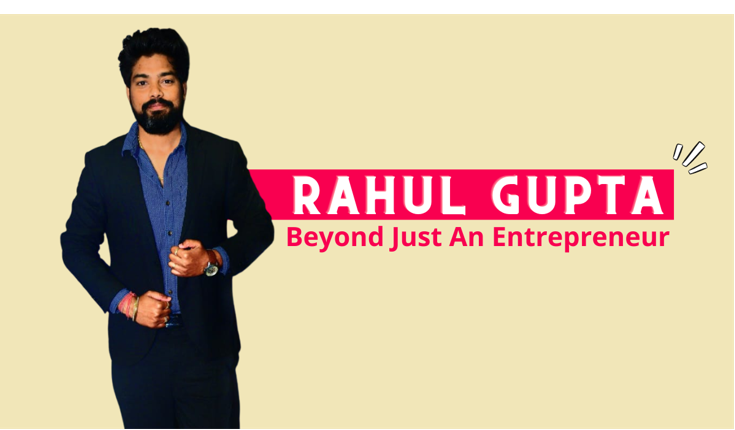
Rahul Gupta: Beyond Just An Entrepreneur
Rahul Gupta is a Google certified digital marketer specialising in digital marketing, especially in SMO, SEO, Analytics, advertising, and content marketing. He’s not just an expert but a successful founder of Monetize, StockRise, Mythyam, IndiFuture, and co-founder of Pixel and Alzebra. He is also a firm believer in supporting young minds and providing them with whatever support they want. You will be reading about him and getting a 360 overview of his entire journey.Let Us Give You A Sketch Of Rahul GuptaRahul Gupta, the founder of the “Monetize” operating for 15 years, holds a bachelor’s degree in computer science from MIT and a master’s degree in finance from IBS in Bangalore. Also, he completed an MBA in Marketing from Dehradun’s ICFAI University. Most importantly, he has recently received the Nation’s Icon Award for his relentless efforts.And What Took Monetize Into Reality?Like many others after getting completed MBA in Marketing from ICFAI University, Dehradun, Rahul learned that the chances of receiving job opportunities in India are limited. As we know a large section of the young Indian population still has to confront multiple challenges like non-placement, or low paying jobs etc. And this became the crucial factor that kicked his mind to go with his own idea. So, then along with five people Rahul established the “Monetize” firm in 2016.He Found His Major Interests In The Crypto WorldHis scope of interest is comprehensive, and it encompasses Blockchain, NFT, and Metaverse. He is the driving force behind Madhya Pradesh’s first NFT, which debuted in Indore. Rahul has received honours not only for his work but also for his learning attitude. With the help of his business, several well-established companies taste success due to this mindset. He owns and operates an IT and digital marketing firm and is a reliable name across the field. Not Just his Professional Career, But Rahul Is Equally Devoted To His Social Life As WellRahul’s interests are diverse, and when he is not working, he may be found gaming or toying with the latest devices on the market as he is a great hybrid of a gamer and a techie. He made significant contributions while at IBS’s NEEV, the Entrepreneurship Cell, and has been part of several non-governmental organisations in the past as well.Despite being a serial entrepreneur working with sales and marketing, Rahul is also a social crusader who assists those in need. His services have also been recognised by the government of Madhya Pradesh and honoured him for assisting thousands of people with food, financial assistance, and other necessities during the pandemic.What He Has To Say For The Young EntrepreneursThe message that Rahul wants to give the country’s creative minds is, “You don’t have to panic whenever you find yourselves midst in a problem. It can be related to the initial stages where you require funds, but no one comes forward with any assistance or facing any temporary blockade during the ongoing operations. Just keep yourself running, and everything will get sorted out with time and experience.”
More detailsPublished - Fri, 09 Jun 2023
Search
Popular categories
Ecommerce Trends
239Business
54Marketing
37Website
23Social Media
22Courses
21Latest blogs
The Power of Email Marketing in eCommerce
Fri, 15 Mar 2024
Tips for Optimizing Product Pages for Conversions
Thu, 14 Mar 2024
Mastering SEO for eCommerce Websites
Wed, 13 Mar 2024
Write a public review