Created by - Jessica M.
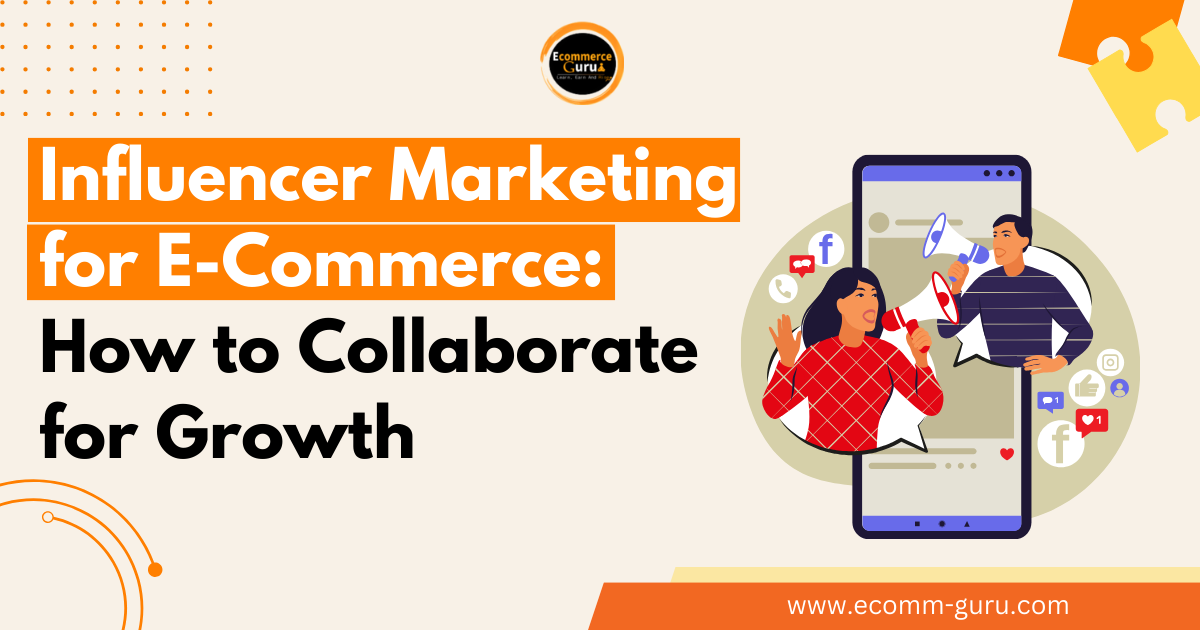
Influencer Marketing for E-Commerce: How to Collaborate for Growth
Influencer marketing has become a pivotal strategy for e-commerce brands seeking to expand their reach and drive sales. Collaborating with influencers can significantly boost brand awareness, credibility, and customer engagement. Here’s a guide on leveraging influencer marketing for e-commerce growth:1. Identify Your Objectives and Audience:Define clear goals: Is it increased sales, brand awareness, or product launch?Understand your target audience and which influencers they follow.2. Find the Right Influencers:Look for influencers whose values align with your brand.Consider their audience demographics, engagement rates, and authenticity.3. Develop a Solid Strategy:Craft a detailed plan outlining campaign objectives, timelines, and deliverables.Decide on the type of content (videos, posts, stories, etc.) and the platforms to focus on.4. Build Relationships:Reach out to influencers genuinely interested in your brand.Engage with them authentically, understand their content style, and provide creative freedom.5. Negotiate Terms and Contracts:Clearly outline expectations, deliverables, timeline, and compensation.Ensure legal compliance and include specifics on content rights and usage.6. Create Compelling Content:Encourage influencers to create authentic, engaging content that resonates with their audience while highlighting your brand.Collaborate on content creation to ensure it aligns with your brand’s messaging.7. Track and Measure Results:Monitor key metrics such as engagement, reach, conversion rates, and sales attributed to the campaign.Use tracking links, discount codes, or specific landing pages for attribution.8. Maintain Long-term Relationships:Nurture relationships with successful influencers for potential future collaborations.Value their feedback and maintain good communication for future partnerships.9. Compliance and Transparency:Ensure influencers disclose their partnership with your brand to comply with advertising regulations.Maintain transparency in your collaborations to build trust with the audience.10. Adapt and Evolve:Analyze campaign results and feedback to refine future strategies.Adapt to trends and changes in the influencer marketing landscape.11. Budget Allocation:Allocate a reasonable budget for influencer collaborations based on your goals and expected ROI.12. Diversify Your Approach:Experiment with different types of influencers (micro, macro, nano) and content formats to see what works best for your brand.In summary, successful influencer marketing for e-commerce involves strategic planning, relationship-building, authenticity, and continuous evaluation. By effectively collaborating with influencers, brands can harness their reach and credibility to drive growth and achieve marketing objectives.
More detailsPublished - Tue, 20 Feb 2024
Search
Popular categories
Ecommerce Trends
239Business
54Marketing
37Website
23Social Media
22Courses
21Latest blogs
The Power of Email Marketing in eCommerce
Fri, 15 Mar 2024

Tips for Optimizing Product Pages for Conversions
Thu, 14 Mar 2024
Mastering SEO for eCommerce Websites
Wed, 13 Mar 2024
Write a public review