Created by - Yashraj Gautam
Amazon Dropshipping Guide In India: Is it profitable or not?
Have you ever thought about Amazon selling? It is a solid idea. After all, Amazon is one of the most identifiable brands in the world. Once you know the rules and the fundamental method, you can have a smooth drop shipping experience on Amazon. On top of that, there is high trust among Amazon shoppers and fierce customer loyalty. You can harness that trust for your brand by selling on Amazon.In global online shopping, Amazon plays an important role as it helps to encourage sales and resolve any issues that occur. It is widely believed that many nations, such as India, Germany, Spain, have the Amazon drop shipping service.Here are some brief details below on dropshipping on Amazon India to get to know more about Amazon dropshipping in India.Service of amazon dropshipping in IndiaBecause of the large audiences, it’s simple to get started on Amazon dropshipping in India. What’s more, advertisement or SEO is very successful, so you don’t have to worry about advertising and marketing.Also, Amazon’s fulfillment warehouses (Fulfillment by Amazon) are given, enabling you to supplement your dropshipped products with your products, and you do not need to consider the problems of packaging, shipping, and storage as well.Features of Amazon dropshipping in IndiaBecause of its huge potential market, Amazon’s drop shipping industry in India has attracted many e-commerce entrepreneurs. In India, there are some major objectives of Amazon dropshipping.A large volume of customers: For most businesses, Amazon is known as a sales channel because it offers you big returns. Selling the right product at the right price will help attract more customers to your online store. Therefore, Amazon offers you an opportunity to get new customers that are not initially tailored to your target demographics.Less cost of ads: It’s inevitable to run Amazon ads to gain revenue. Also, good advertising on Amazon will help you create a positive reputation. You could get massive amounts of traffic from this market by paying for these powerful advertisements if you optimized your sale page in advance.How to start Amazon’s drop shipping business in India?How to start a dropshipping business on Amazon in India. First of all, on Amazon, we need to know how the drop-shipping model functions on Amazon in India.Three primary parts are used in the whole dropshipping process. When you receive an order, you will inform your supplier of drop shipping, who will then conduct the fulfillment on your behalf.The supplier is responsible for supplying the goods to the end-consumers and ensuring that your customers have fully obtained the products, which forms a circle throughout the entire sales process.If you are well prepared before selling in the dropshipping market in India, here are a few tactics about the Amazon Dropshipping guide that you need to deepen your impression on.Do keyword optimization:Keyword analysis means optimizing your product pages for Amazon, which is very similar to optimizing your product description pages for search engines. Tools like Merchant Words, Google Trend, Search for Keywords can help you pick keywords of high interest and determine them.Get the buy box:Since most of the sales from Amazon come from the buy box, increasing sales is very significant. The first thing you need to do is get a high selling ranking because as well-working, the rating of more than 95 percent has been studied.Is Amazon dropshipping Profitable?Yes, amazon is profitable to start with. The low risk aspect makes this amazon dropshipping model appealing.Keep no inventory: One of the greatest advantages of dropshipping is that no inventory has to be carried by the drop shipper. This is excellent since the business model for the drop-shipper is less risky.Easily test products: Another great advantage of dropshipping is that you can quickly evaluate products. Since you don’t carry inventory, to see which products convert better, you can run advertisements on products.Low start-up cost: You buy products only when an order is placed by a customer. To manage the shipping of products, you don’t need to hire extra staff.
More detailsPublished - Tue, 06 Jun 2023
Created by - Yashraj Gautam
Hyperlocal Marketing in India: How It Works, Benefits, Strategies, Market Size,
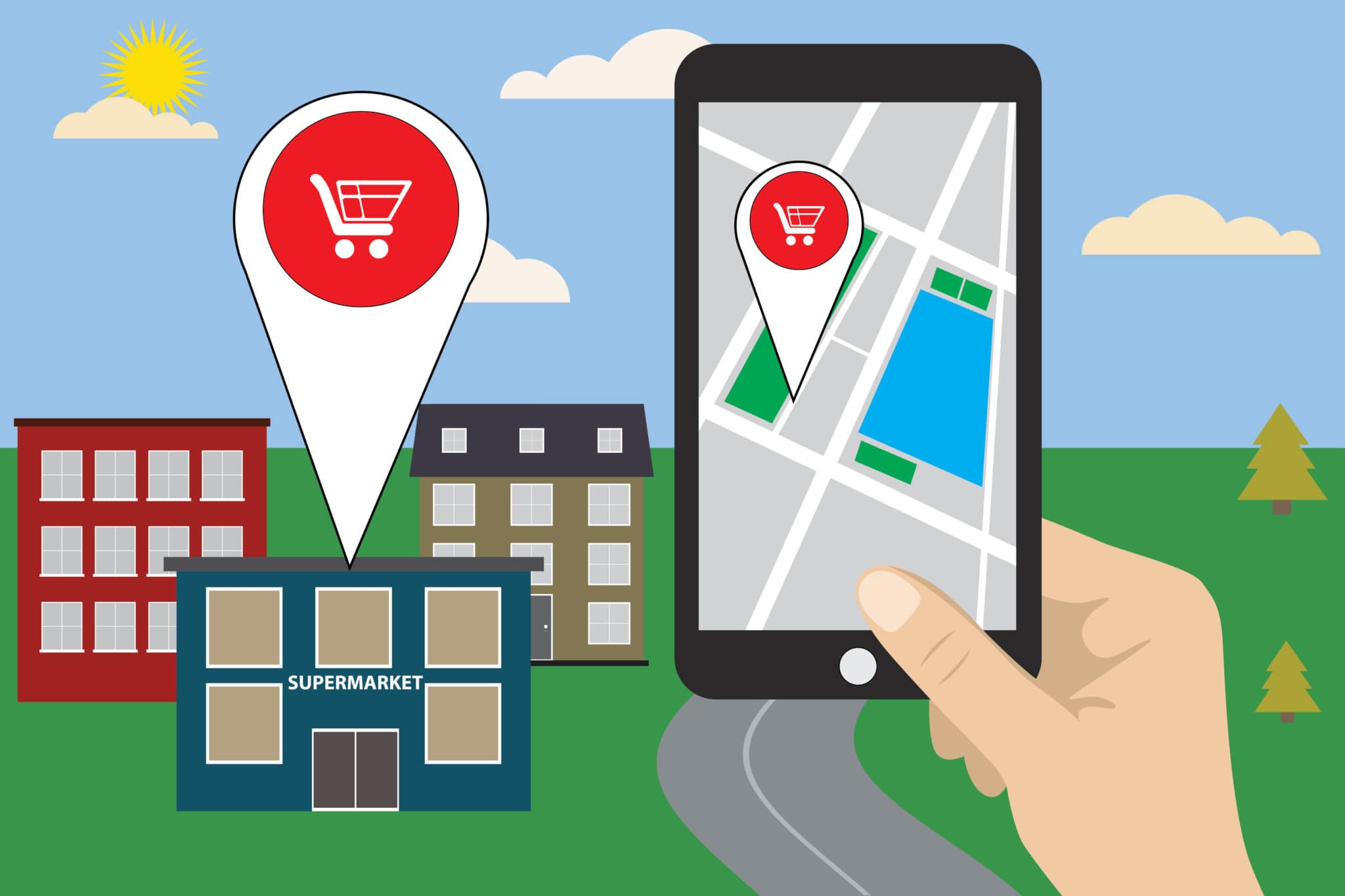
A conventional marketing strategy that focuses on a smaller number of shoppers in a very specific area is hyperlocal marketing.In other words, it specifically targets individuals who want to buy goods or services locally in extremely localized and address-specific areas.A super-targeted type of hyperlocal marketing strategy to attract inbound traffic, companies don’t need to spend money on national campaigns. Hyperlocal marketing strategies can be based on one block and provide the basis for a real one-to-one relationship in a particular area with customers. It seems less daunting, but a very tough objective to accomplish in practice.The main goal of hyperlocal marketing in India is to increase foot traffic to retail stores and focus on highly commercially intended near-me searches. When individuals conduct hyperlocal searches, they search with the intention of purchasing.Hyperlocal case studies are based on a study of local points of interest and other demographic and economic data, the market potential for each store. This helped the business build a plan for its latest product to target which stores it should target.Hyperlocal Geo focuses on how new businesses are targeting their new store strategies, not in the town or store, but wanting to carry out a new product across India. In all its stores, Hyperlocal Geo decided to introduce its product to give them the best results. Then they give Hyperlocal companies a collaboration to find out the exact position they should target.The hyperlocal market size in India was at $1,324.2 billion in 2019, and by 2027 it is expected to hit $3,634.3 billion, with a CAGR of 17.9 percent from 2021 to 2027. Hyperlocal services are those services delivered within a small geographical region in which vendors can deliver products or services within a minimum amount of time. The unique aspect of the hyperlocal service model is that both the consumer and the seller are very close to the entire supply chain.Online and offline businesses are in a strong position to take advantage of the hyperlocal market in India, taking these figures and data into account. Here are some ways to expand your business using a hyperlocal marketing strategy.Hyperlocal Marketing Strategies:1.Improve your Google My Business listingIt is important for small business owners who have physical locations to optimize their pages on Google My Business. The cornerstone of hyperlocal marketing is Google My Company.Did you know that location is linked to 33 percent of all searches on Google? You should concentrate on that and provide incredibly detailed information about your business. To explain what separates your small business from competitors, a special business summary that contains 750 characters. You should add appropriate keywords, and do it within the first 100 words, avoid overloaded keywords.2.Build hyperlocal contentTo build good partnerships and raise sales, small businesses involved in leveraging the local community want to engage in dialogue groups. Developing local content in a specific local area will increase rankings and arouse people’s interest. First of all, what consumers want to consume is what you need to concentrate on, but not what you want to make.Analyze your content and create the type of content that will most resonate with your clients. It can be difficult to reach an audience in a specified local area often. You should try to attract local talent so the desires and needs of a local area you are involved in are better understood.3. Make the contact details on the website stand out.It’s easier for a potential customer to reach you by adding some contact details to your website. It also makes the brand more open, contactable, and tangible, which, in turn, will lead to more sales and conversions and create more satisfaction with customers.Ensure that localized objects such as monuments, local landmarks, popular attractions, public streets, and other local points of interest are included, enabling individuals to easily access you online and interact with your company.4. Add organized markup of dataIt is important to categorize the company as local while concentrating on hyperlocal marketing. It will help Google find as much information about your company as possible by including structured data markup relevant to your company on your website pages.List various company attributes, such as an address, business hours, phone number, social links, the logo of the web, and an official name. If properly implemented, it makes it easier to appear in particular geographic search results for your business. Use the Structured Data Testing Tool to improve the relevant results with schema markup. In your Standardized Data tags, the tool helps to identify potential problems and reduce the number of errors and alerts.5. Using Marketing EmailEmail marketing is a smart way to advertise and drive a lot of organic traffic to your local company. You can incorporate maps to display your local business directions, add click-to-call buttons, share a simple message, and include special offers. Optimizing your emails for viewing on mobile devices and tablets is vital as many people are likely to open them using these devices. To raise your website traffic, you can also follow this ultimate email outreach guide.Wrapping Up:A better way to improve your local presence, drive more traffic, and take your company to the next level is to have a successful hyperlocal marketing strategy. Keep exploring and learning from every hyperlocal initiative to find out how to scale the target cities and regions effectively.
More detailsPublished - Tue, 06 Jun 2023

Created by - Yashraj Gautam
Which is Better for Selling Artwork: eBay, Amazon, or Etsy?
Today, the biggest markets that attract millions of buyers are Amazon, eBay, and Etsy because they deliver a wide range of products and the opportunity to compare prices and features from a large number of vendors on a single platform.Choosing the right platform is important when you sell art online. There are plenty of different choices for handmade business owners available. Etsy, Amazon, and eBay are three of the most popular. But for handmade shop owners, each one provides numerous options and advantages.AmazonA relatively new deal from the e-commerce giant is Handmade at Amazon. This enables artisans and handmade business owners on the popular platform to set up their shops.On Amazon, there are more than 2.5 million sellers, so customers have plenty of choices. As it has a good brand image, which is a major confidence factor, customers are more likely to purchase from Amazon.Amazon allows you to sell artwork on amazon, Amazon also states that only the product for sale should be represented in the main images, not sketches or renderings, and no props that do not come with the product.Amazon does not charge fees for listing but takes a percentage of each transaction instead. Amazon accounts for 12% of any sale, with the purchase price calculated to include shipping. The rate will increase to 15 percent starting on August 1, 2016.Sellers are not able to link videos to the listings. However, for those vendors, but only those that are part of invitation-only vendor programs, Amazon itself will add videos.In certain instances, Amazon accepts a range of various payments, including credit or debit cards, checking accounts, Amazon gift cards, Amazon Points, and even cash on delivery.After you apply and get accepted, you can add your items through Amazon. But for each listing, you have to add the details. To add products from another platform, there is not a simple import feature for you.With artwork at Amazon, with a custom URL and artist profile, you get an exclusive storefront. You can tell your story there and provide ways to communicate with customers.Recommended Read: Amazon Dropshipping Guide In India: Is it profitable or not?EtsyThe number of active buyers on Etsy reached 45,7 million in 2019. In search of handmade goods, unique items, and craft supplies, many people visit the marketplace. Etsy is your place if you run a shop that sells similar products.For each listing, Etsy charges 20 cents. And listings are good until they expire for four months. An extra 20 cents may be charged to relist items that have expired or been sold.With each listing, Etsy lets you upload up to five images. Beyond the initial listing fee, there is no extra charge for including images. For the mainframes, Etsy suggests using pictures that are a maximum of 800-1000 pixels wide and landscape or square images.For any sale, Etsy charges a 3.5 percent transaction fee. You can pay those fees once a month, along with the listing fees. Which payment methods to accept, including PayPal, credit cards, Etsy gift cards, and Apple Pay, can be specified by each Etsy seller.If you are a new seller and thinking about how to sell artwork on Etsy then Etsy enables sellers to list products that are crafted by hand, vintage, or supplies made by craft. In recent years, however, the concept of “handmade” has shifted, to the detriment of some buyers and sellers of Etsy. The platform is now much less stringent and will encourage users to sell products in certain ways that are mass-produced. So an item can feature original artwork but can be manufactured on a mass scale in reality.With its header photo, profile and policies, each Etsy seller can set up its store. Within your store, or Etsy categories or search results, shoppers can view your products.eBayeBay is one of the largest markets worldwide, with 180 + million active buyers. Mostly, eBay is popular for online auctions. But the platform has been found by some handmade business owners to be effective in selling artwork.If you wonder how to sell artwork on eBay then you get a global shipping service on eBay, which makes selling globally easier. You just need to send your products to the eBay center, and international shipping will be taken care of by the company.Based on the type of listing, the fees for eBay sellers can vary, since you can host both auction type transactions and fixed-price sales. In general, your first 50 listings per month are free to make, and then 30 cents per listing after that.With each listing with eBay picture hosting, you can add up to 12 images for free. This also involves zooming and extending functions so that customers can get a close-up view of the items.eBay also charges 10% of the gross purchase amount, which includes the price of the item, delivery, and all other costs you charge to the customer, excluding sales tax. The maximum fee is 750 dollars.The payment choices you want to accept, including PayPal and credit or debit cards, can be selected by sellers. You can opt to accept payment upon pickup as well.If you have an eBay vendor account, a credit card on file, and a checked PayPal account, you can build a dedicated store. As long as you have a good sales success level, eBay also provides options for Premium or Anchor Stores.Wrapping Up:You can create a dedicated store on Amazon, eBay, and Etsy. But for both buyers and sellers, Etsy is the best choice for a popular place! It has more than 33 million customers, a major opportunity that you don’t want to miss out on. To improve the platform and get more visitors, it has lots of features.
More detailsPublished - Tue, 06 Jun 2023

Created by - Yashraj Gautam
10 Must-Use Social Media Marketing Strategies for eCommerce Marketers
The e-commerce market is more competitive by the day, and to develop a loyal customer base, e-commerce organizations need to understand innovative ways to establish relationships with their customers.Web traffic is the most important segment for any e-commerce sector, and yet it is the most challenging one.In the evolution of online shopping, social media marketing strategies for eCommerce plays a very important role today. It provides a platform for conversations, feedback, information, and expression. For its profit, an e-commerce company may leverage the possibilities offered by social media platforms.10 effective social media marketing strategies for e-commerce startups that you can use to accept the influence of social media for greater benefits are described below.Smart Targeting and Dynamic Product AdsYou may use targeting options offered by social media sites such as Facebook to target your ads to the appropriate customer base once you have found out your prospective customer base.Facebook offers many targeting options based on location, demographics, interests, type of device, etc. Apps such as personalized audiences, lookalike audiences and retargeting are also open to you. You will be able to meet your future customers and engage them more efficiently using these targeting options. Smart Targeting will allow you to greatly increase your ROI on ads.Using Product VideosProduct videos can help provide the customer with a balanced shopping experience and can give a concise description of the various scenarios in which a product can be used. To online customers, this makes it more attractive. Brand videos can be used not only on product sites but also as part of Facebook or Google advertising on social media feeds of e-commerce brands.Focus on EngagementFor e-commerce, social media is not just about pushing out products and promotions. Social media can be used very well to engage audiences online. It can be tempting for eCommerce brands to fill timelines with product promotions and advertising. Social media, however, offers various ways in which e-commerce brands can make online shopping a delightful customer experience. Via live polls, live videos, content created by users, contests, and much more, you can engage audiences.Set up Facebook and Twitter profilesYour site has an account on Twitter and a profile on Facebook, right? These two are the “big guns” with the most traction for your social media efforts, hands-down. You have to concentrate on the most impactful social media networks, and the best places to start are these two services.Add exclusivityFor your visitors, make a powerful call to action as to why they should follow your brand on Twitter, Facebook, or any other network. Include exclusive deals, discounts, hints, and other items that would not be offered by consumers unless they followed you on social networking platforms.Track what people on social media sites click onKnowing what gets people to click a link means you can target your posts to get the most effect from your efforts on social media.Get DataFirst things first: You need to find out where your products are being shared by your website users. You won’t know where to concentrate your social media energies without this information.Link to Facebook Messenger from Your WebsiteFacebook Messenger has over 1.3 billion active users per month. Nevertheless, it’s still a major distribution platform that e-commerce firms are lacking. You need to add it to your site once you have your Facebook Messenger set up.Retargeting98 percent of users do not turn to a website on their first visit. You would need to have e-commerce marketing strategies in place if you want to catch those sales. You can retarget clients in many ways so that they come to your site to buy your product. One of the most common ways is to run ads on other websites for retargeting.
More detailsPublished - Tue, 06 Jun 2023
Created by - Yashraj Gautam
How do you build a Dropshipping store with short delivery times?
When dropshipping, having a nice delivery time is certainly a great way to increase your sales in 2020.Getting a fast delivery time ensures that fewer clients will be wondering where their package is. So this suggests that your clients are less likely to demand a refund because their order is already on its way! The use of local vendors for dropshipping would certainly assist you with this.If you already know a little bit about dropshipping, then you know that the delivery time for dropshipping is about 2-4 weeks before your customer reaches the package. If the product is worth the wait, one of the largest reasons people would still buy from you is.Long delivery times do not matter, but it is certainly great to have faster delivery times and will help your dropshipping store in many ways, such as fewer customers wondering where their package is.Fast-shipping is no doubt an e-commerce accessory, it’s a requirement. You could make it work with longer delivery durations, but it would take an intricate combination of 3 unusual commodities: extremely patient buyers, amazingly cheap but high-quality products to beat the market, and quicker, exclusive products that customers can not buy from anywhere. By buying products that make it in time, this unnecessary risk can easily be avoided.How do you get a faster delivery time when you drop ship?Even if you use all the tips everyone gives about dealing with long shipping times while dropshipping, it will still take about 2-4 weeks (sometimes a week or less, depending on the country to which you deliver it) before your customer’s doorstep is reached by the package.So, what to do if you want to have a week or less of the delivery time? A few days maybe even? You need local dropshipping suppliers to be used! This means that from the country you’re selling in, your dropship.For example, you need to find a supplier within the U.S. who could drop ship the goods you want to sell in your dropshipping store if you want to sell in the U.S. This will reduce a lot of your delivery time.Select a producer centered in your country. Once the suppliers who have a warehouse in your country or near your country choose to drop the delivery, the delivery would be quicker.1) Buying local is ever in fashion:Today, a major phenomenon is a global market: every city in the world is connected to another. People are sticking to their regional and local identities in this confounding and slightly daunting scenario. It has become critical for customers with growing ethical issues to know the origin of the product and the processes that have gone into production. You can not afford to ship goods to consumers from overseas, where delivery times are high and the consumer is unaware of the backstory of the product, with local interests on the rise.An e-commerce shop that provides local vendors with products generates jobs and improves the area’s economy: that’s something to look for.2) Competition is closing in:Right from the top of the funnel to the bottom, your store needs to one-up every other store in a special, enchanting way: this means improved ads and marketing strategies, better store design, amazing items, and finally quicker, cheaper delivery. More than 55% of abandoned carts are due to shipping problems, an easily resolvable problem.ConclusionSet-and-forget ads or marketing solutions would never be open to you. You need to continually try out new ideas and fine-tune existing campaigns, enabling you to know when to maximize or change spending on campaigns.
More detailsPublished - Tue, 06 Jun 2023
Created by - Yashraj Gautam
How To Register As a Seller on Shopclues – Sell Products Online.
An Overview ShopClues is a shopping site for companies and customers that serves the needs of suppliers, producers, professionals, brand owners, etc. One needs to register as a seller by taking specific steps to become part of this online retailer group.Seller Registration for Shopclues Visit the Shopclues Seller Website to Sell Online with shopclues, the Shopclues seller registration process. Information such as name, store name, phone, email, password, pin code, and the business type was included in the vendor Shopclues Seller registration form to start the process. The registration process as a ShopCluesSeller on ShopClues seller requires the eight steps mentioned below:The first step is to log on to ShopClues’ official website. 2. Click on the “Merchant Registration” link to register as a Seller. The page guides the user from here to the page where basic details, including the name, mobile number, name of the online store for which the user wants to register, business type, and password, needs to be filled in.3. After filling in the given details, click the Submit button.4. The next tab will enable the user to fill in the information involving the name and personal contact details of the business. 5. After this, the customer must fill in the contact person and the address from which the orders will be picked up by the courier partners.6. For payments, the user will have to share the bank information. 7. The customer must agree to the seller service fee agreement, which contains the details about the fee category and service fee fulfillment, after completing all the necessary information. 8. The last step is to organize the virtual storefront catalogs. How to become a seller on Shopclues? through ShopClues seller log in, the seller can now log in and start the company and request assistance from ShopClues Seller Support.Required DocumentThe required documents are listed below, depending on the business type:1. For Sole proprietorship:Proof of identity or ID that includes a PAN card, Aadhar card, driving license, etc. The bank statement or house bills include personal address evidence.2. For a registered Company: Proof of Identity, Aadhar card, PAN card, or residential facts. Recorded official documentation of an undertaking that may include a lease, lease, or ownership agreement. Certificate for VAT / GST.3. For private limited company: ID evidence: A copy of the company’s PAN card A copy of an organization Memorandum. A copy of the company’s certificate of incorporation. Address Proof: The company’s bills, including telephones and electricity. Rent, lease, and the company’s ownership arrangement.4. For a Partnership for Limited Liability: ID evidence: Certificate of LLP registration Card LLP PAN Deed for Alliance The employee’s Power of Attorney. Address Proof: An official and legitimate document confirming the address of the persons who have the attorney’s power.Basic Requirement for Shopclue Seller RegistrationHere suggest the following registrations and licenses complete the above step and begin sale on Shopclues.Business RegistrationTo be registered as a Private Limited Company, business registration would be required to facilitate access to the loan.GST RegistrationThis registration is necessary for ShopClues promotion. For sellers, GST registration is required and online company registration is also important. One registration for GST business registration will help Clear Tax Experts.Bank AccountAlong with the bank account information, the PAN card is mandatory for the merchant. Account number, IFSC code, and name of the PAN account holder are other information that is relevant for registration.Trademark RegistrationSelling products online makes it possible to give the company a lot of attention. It is necessary to make sure that the company has a trademark registration to stop counterfeit products to make this possible.Becoming an online seller The requirement for registration documents for sales on most platforms is similar. It is therefore easy for a seller registered with Flipkart or Snapdeal to start selling on Voonik or any other platform for e-commerce.
More detailsPublished - Tue, 06 Jun 2023

Created by - Yashraj Gautam
How to Make Money with Google Adsense even without having a website
The AdSense program from Google enables website owners and publishers to share advertising revenue from the company by hosting Google advertisements on their websites. You can participate in the AdSense program by signing up with a publisher who shares their AdSense revenue with content providers if you do not have a website of your own. Although there are several online publishing sites providing revenue sharing with Google AdSense, Google’s properties, YouTube and Blogger are the best known and easiest to use.YouTubeYouTube stars are the self-made celebrities of today, people who have to make money online and built an audience by producing content on the internet that is aimed towards educating, entertaining, reviewing, and being awesome.Around 6 percent of the company’s ad revenue is generated by YouTube, owned by Google since 2006, or around $4 billion annually. Since 2007, the company has paid out more than $1.25 billion, much of it through its AdSense service, to individuals who own the rights to YouTube content.Create a YouTube ChannelYou’ll need to make one if you don’t already have your own YouTube channel. In the left-hand menu, sign in to your YouTube account and press ‘My Channel’. To build your very own channel.Enable MonetizationAfter you have built your YouTube channel, go to your channel page and click the Video Manager button located directly under the search bar in the top menu to open the video manager. Click on “Channel” in the left-hand menu or navigate here and click the “Activate” button on the Monetization tile to open an interactive wizard to direct you through the monetization steps.Read and agree to the contract for the YouTube Partners ProgramClick “Start.” Read the terms of the agreement and tick the three boxes below the agreement. To close the agreement and return to the wizard, press the ‘I Approve’ button.Associate an AdSense Account with Your ChannelOn the Monetization Account screen, click on the second item. Click Next on the new screen to be switched to Adsense. You should connect it with your YouTube channel if you already have an AdSense account.Choose Your Ad PreferencesClick the “Start” button next to “Set Monetization Preferences” and follow the prompts to select preferences for your ad. Check the box next to “Monetize all present and future videos,” then tick the boxes below each of the types of ads you want to show on your videos. Tap on “Save.”Create videos that are original and upload them to your channel. YouTube can automatically check your channel until the cumulative view of all your videos exceeds 10,000. If it follows all the requirements and guidelines of the group, your videos will start displaying AdSense advertisements and you will make money through Google Adsense.BloggerYou can sign up to view AdSense advertising and earn money through Google Adsense from your blog if you have a blog on Google’s Blogger platform. It just takes a few easy steps on your Blogger blog to get started earning money with AdSense.Sign Up for MonetizationSign in to your account with Blogger. Next to the blog you want to monetize, click the down arrow. Click on the Earnings tab in the left-hand menu to open the monetization settings. Click on the button for ‘Sign Up for AdSense.Set Up Your Ad SettingsTo select where you want AdSense advertising to appear on your blog, click on’ Continue’. Check the automatic settings for ad placement on the next screen. You may opt to view advertisements on the sidebar, between posts, or both. You’re done if you want to let Blogger pick advertisements for you.Customize Your AdsClick ‘Customize Further in Advanced Ad Settings.’ Click the AdSense Gadget to pick the color, size, and other ad settings to customize ads in the Sidebar. Tap on the Blog Posts gadget to customize the adverts displayed between your posts. To select your AdSense ad choices, scroll down to ‘Customize Inline Ads’ in the window that opens.Final Words:Follow the above steps and, without a website, make money through Google AdSense. You can sit comfortably at home and make money online through YouTube, Blogger, and Revenue Sharing websites with just your smartphone and laptop.
More detailsPublished - Tue, 06 Jun 2023
Created by - Yashraj Gautam
How to become a seller on Grofers – Sell Online Fruits, Vegetables, & Grocery items
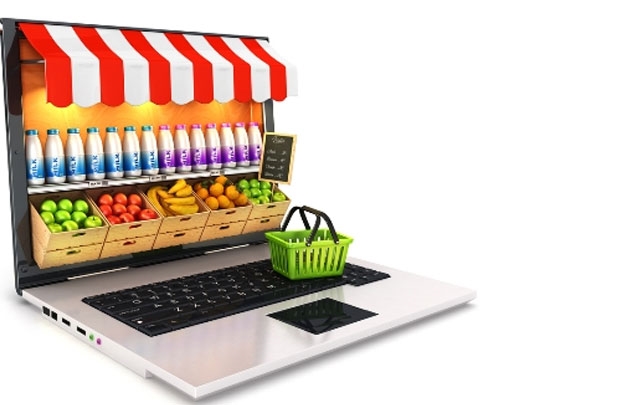
Grofers is the largest and fastest hyper-local delivery company in India, which lets you order from your mobile phone food, bakery, fruit & vegetables, and other items that you need every day. On December 27, 2013, two IIT graduates, Saurabh Kumar and Albinder Dhindsaa formed Grofers. Grofers Pvt India, to comply with India’s foreign direct investment requirements, Ltd has established at least three significant sellers who will sell Online fruits & vegetables and goods on its platform, even as the grocery delivery start-up seeks to switch from a hyperlocal delivery model to an inventory-led one, two individuals conscious of the development said on condition of anonymity.Community Retail Pvt was identified by Grofers, which is backed by SoftBank and Tiger Global Management. Ltd, LA Pvt Mega Retail. At present, Grofers operates in Agra, Ahmedabad, Bengaluru, Chennai, Chandigarh, Hyderabad, Indore, Jaipur, Kanpur, Kolkata, Lucknow, Mumbai, NCR, Nagpur, Pune, Surat, and Vadodara. Grofers is also extending its business to other cities.Pre Condition to Become a seller on GrofersYou are required to need a Gmail address.You must have a PAN Card.You will need to keep your orders ready on time.How to register as a seller on Grofers?Go to the Grofers connection and click ‘How to Partner’ and then fill in the information provided, such as name, email, current occupation, state, city, type of involvement. Then, push the button to submit. Your Pincode must be reliable to work at Grofers, and you must match the number of requirements set by the online grocery business.After submitting all the details, you will be contacted by the Grofers team for the partnership, and you can start your Grofers shop.Cost Structure of GrofersGrofers incur costs associated with the acquisition of products or services, the management of its distributor and retailer relationships, the creation of its online portal and website, the maintenance of its IT and communications networks, the management of its partnerships, the execution of marketing and advertising campaigns and the retention of its employees.Development of GrofersGrofers understands its consumers well and works hard to attract them through social media. Grofers uses Facebook & Twitter’s power to reach potential viewers. Grofers has created its slick and easy-to-use app and promotes it on Facebook and Twitter. On Twitter and Facebook, Grofers has launched several advertisements offering their customers enticing deals and inducing them to use the offer by simply installing the app. Grofers offers new users a flat 20 percent discount to draw more leads. Grofers began a Twitter and Facebook campaign offering their customers 30 percent off, gradually giving them fresh customers and more conversions from existing ones.These days, despite so many shopping apps available and many even offer guaranteed delivery on the same day. Grofers tend to push the boundaries by offering delivery within 90 minutes of placing the order and a decent percentage of the discount.Wrapping UpWith an increase in the number of customers and a healthy engagement rate on social media, Grofers is now valued at $115 million and growing. Grofers is now preparing to add more categories to sell online grocery products on Grofers, which will ultimately get them more customers. Grofers knows their audience and has used the best strategy to engage with them through their marketing stratum. It has continually grown around the experience of users.If you need any assistance to setting up online store, dropshipping business, marketplace or any other industry. Our ecommerce expert is ready to help you in your journey. You can write to us at info@www.ecomm-guru.com
More detailsPublished - Tue, 06 Jun 2023

Created by - Yashraj Gautam
How Voice Search Will Take Lead: Start Optimizing Your Ecommerce Store Content
There are endless possibilities for the future of voice technology, and one thing is obvious at the moment: Voice search is taking off among customers impacted by the new Devices for home voice assistants, like Echo and Google Home from Amazon.And just as voice is taking off among customers, it is also creating a need for companies to build a strategy for voice search to integrate into their digital marketing plans, since voice is changing the way people search for and find products to connect with.There are many reasons why implementing voice strategies is becoming important for brands. Voice search is an increasingly successful new technology that will only keep rising, and as it does, it will alter the way SEO is conducted, help you enhance the customer experience and bring more traffic to the site, and help you stay ahead of the competition.It is not only about remaining important to implementing a voice search strategy, it is also about developing a unique and optimized customer experience that will build relationships and create brand loyalty.Tips for optimizing content for voice searchHow to Optimize Content for Voice Search? It is a question we are beginning to receive from our clients more and more. There are some tips for optimizing content for voice search are given below:Focus on Phrases and Long-tail KeywordsFrom terse, awkward keywords to long-tail phrases, or even whole sentences, the search focus has changed. That’s how natural language is used to conduct voice searches. The way we speak is certainly different from the way we type. Therefore, the phrases and keywords we use when talking to digital assistants are different from those we use when entering text in Google search.Pay attention to Trends in Data & Voice SearchVoice search remains largely unexplored territory. Users can ultimately determine how voice search’s future unfolds, so tracking the habits and keywords behind voice searches will help you predict what’s coming in the future and how best to create content to attract both people and bots.You need to understand your mobile data to fully understand the data behind the voice search.Build Pages That Answer FAQsUsually, if voice searchers ask a question, they start it with “who,” “what,” “where,” “when,” “why,” and “how.” They’re looking for answers that satisfy an instant need. Make a FAQ page to answer these questions, and begin each question with these adverbs. To appeal to voice search, then address them conversationally.Make sure the website is technically sound from a performance perspective and contains schemas. Ensure that it is easy to find navigation and information structure, and page load speeds are high.Create Compelling Personal-Based Content· Build content or a webpage that asks a general question with a headline.· Give a succinct response or description to the question immediately after the headline.· To provide more elaborate information on the subject, use the rest of the page.Final Thought:Voice search may be newer, but in the way SEO is performed, it is already playing an important role. How to leverage voice search With annual changes and an impressive adoption rate, this trend is one that you absolutely should not avoid. You have to start by enforcing fundamental SEO practices if you want your brand to operate as an authoritative source for voice search results.To start building your SEO efforts from the base, improve your on-site resources, such as word count, time to load, and image usage. And don’t ignore features that are off-site, such as backlinking or sharing social media. All of these attempts will provide the basis for a search engine to begin ranking you higher. Then begin optimizing your content with conversational keywords once you have the basics covered.
More detailsPublished - Tue, 06 Jun 2023
Search
Popular categories
Ecommerce Trends
239Business
54Marketing
37Website
23Social Media
22Courses
21Latest blogs
The Power of Email Marketing in eCommerce
Fri, 15 Mar 2024
Tips for Optimizing Product Pages for Conversions
Thu, 14 Mar 2024
Mastering SEO for eCommerce Websites
Wed, 13 Mar 2024
Write a public review