
Created by - Yashraj Gautam
How to setup Google Analytics 4 Property (GA4)
What is GA4?GA4 is built on the Google analytics app + web application backbone (Firebase). In data collection and reporting, GA4 takes a different approach from what you used to see in Universal Analytics (UA).Through transitioning to an ‘event’-based model, Google is pushing advertisers to reconsider how they view user data. In GA4, knowledge is gathered and interpreted differently, as it focuses mainly on the activities and experiences of the user’s journey.It is important to identify that this will become the latest Google Analytics default, as new Google Analytics configurations usually enable you to set up GA4 and44, not UA. Fortunately, we can run GA4 parallel with the current UA setup to show you how to set this up.New setups for UA Property are still available. After clicking ‘Create Land,’ look for the link ‘Display Advanced Options.’ You will have the option to create GA4 and UA or create UA only.How to Set Up GA4: Step By Step ProcessLet’s get started by navigating inside your Google Analytics account to your Admin Settings. Look for the Upgrade to Google Analytics 4 Property link under Property Settings.If you do not have an upgrade option available, you can click ‘Create Property‘ to create a new GA4 Property and skip to step 4 after setting up Create Property.2. To begin the setup process with the Google Analytics setup wizard, click ‘Get Started.’ Then, depending on your current Google Analytics 4 you will have many choices.If you use Google Site Tag to enforce UA, the wizard will allow your existing tags to collect data.You’ll need to create a measurement ID for your new GA4 property to start data collection. The Measurement ID is identical to the UA ID. By clicking the right arrow shown below, enter the ‘Tag installation’ menu.2. GA4 has no views like its predecessor’s. It has Data Streams instead. As it automatically tracks such events such as Scrolls, Outbound Connection Clicks, Site Search, File Downloads, and more, the Data Stream extends beyond the Pageview Request. Expand the Add Stream drop-down and choose the app that you want to track.3. Set up your data source by entering the URL of your website and the name of the stream. When done, press ‘Create Stream.’4. You have your Measurement ID now. Copy or take note of the Measurement ID as needed in Google Tag Manager to set up the GA4 Configuration Tag.5. Navigate to your Google Tag Manager Dashboard, create a new tag, select ‘Tag Configuration’ and choose ‘Google Analytics: GA4 Settings’ as the tag type.6. Next, add the Measurement ID. Instead of entering it manually, it is suggested to create a Constant Variable for the Measurement ID. It will allow you to reference and avoid future inconsistencies with the Measurement ID for other tags.7. To create a Constant Variable, complete the steps below:Tap on the Variable iconCreating a new VariableTo fill in the Variable Type list, press Variable Configuration.Under Utilities, pick the ‘Constant’ VariableIn the Value field, enter your GA4 Measurement ID and hit Save8. Configure your trigger to fire on pages now that the Tag is set, and click Save to complete the GA4 setup.9. You can use Tag Manager’s Preview Mode to test your GA4 Tag, or you can publish your container to push the new Tag live. After checking, remember to publish your container; otherwise, your GA4 property will not receive data. You can view live hits by visiting the GA4 Realtime report once the Tag is live. The published Tag can also be viewed in Google Tag Assistant. You can start using it to track users and their actions more efficiently now that you’ve set up GA4.Wrapping Up:Google Analytics 4 (GA4) tool allows a unified measurement between your website and app of user interactions and events. You can use GA4 Properties for your Google Analytics measurement strategy if your mobile app includes embedded web views, a similar web app, or web pages that mimic or otherwise expand the mobile experience.
More detailsPublished - Tue, 06 Jun 2023
Created by - Yashraj Gautam
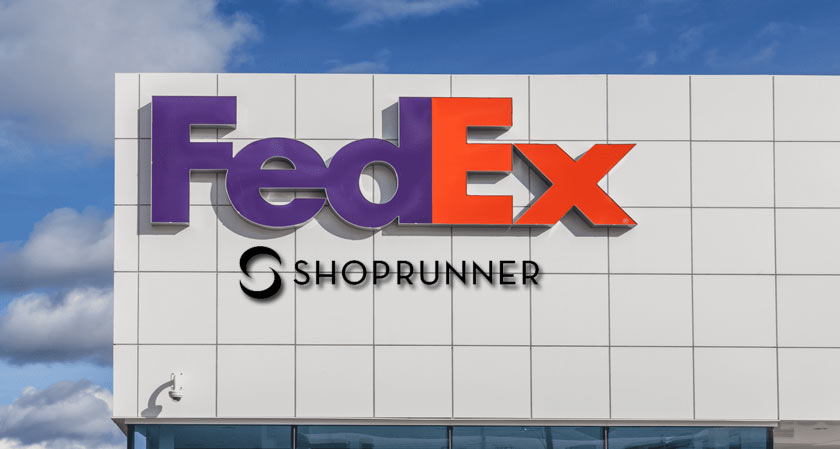
FedEX major foray into ecommerce by buying shoprunner
FedEx is increasing its capabilities as e-commerce continues its fast growth. FedEx can acquire ShopRunner, an e-commerce service that offers more than 100 brands with online customers. On December 2, the delivery services giant announced it had reached an agreement with FedEx to buy Shoprunner. This Chicago-based e-commerce platform links businesses and brands to online shoppers.ShopRunner connects millions of customers to more than 100 brands and retailers and delivers a seamless shopping experience from inspiration to delivery. Holders benefit from free two-day delivery, free returns, unique rewards for members, and smooth checkout. The data-driven marketing and omnichannel enablement capabilities of ShopRunner also support brands and retailers to gain high-value customers and accelerate their digital innovation using the e-commerce platform of ShopRunner.Once closed, combined with FedEx post-purchase logistics intelligence, ShopRunner’s pre-purchase offerings’ complementary nature will enable brands and merchants to attract and engage customers on a scale by delivering creative online shopping experiences. The customer service and omnichannel enablement capabilities of ShopRunner also expect to help unlock FedEx’s capacity as it seeks to leverage data and technology to improve the end-to-end market experience.The purchase confirms FedEx’s acceptance of rising e-commerce shipments, contributing to earlier measures such as seven-day delivery adoption and investment in handling large residential packages. For brands such as Bloomingdale’s, Saks Fifth Avenue, and Under Armour, ShopRunner enables online shoppers to select its two-day delivery and free return service.Headquartered in Chicago, ShopRunner will operate as a subsidiary of FedEx Services, a company committed to combining the technologies and services consumers need to build solutions for global supply chains, e-commerce, and today’s market challenges.Regarding Corp. FedEx. FedEx Corp. (NYSE: FDX) offers a comprehensive portfolio of transportation, e-commerce, and business services to consumers and companies worldwide. With annual sales of $71 billion, by operating entities competing together, working collaboratively, and digitally innovating under the valued FedEx brand, the organization provides integrated market solutions.FedEx is consistently ranked among the most valued and trusted employers globally, encouraging its more than 500,000 team members to stay focused on protection, the highest ethical and professional standards, and the needs of their clients and communities.Regarding ShopRunnerShopRunner offers its members free two-day delivery, free returns, member-exclusive discounts, and smooth checkout as the premier e-commerce site.Spending billions of dollars annually on the ShopRunner network, millions of members of ShopRunner prove every day that by providing free, fast, and easy login, shipping, and checkout solutions, merchants will attract the highest value clients.Prospective risks and uncertainties include but are not limited to the ability of FedEx and ShopRunner to acquire regulatory approvals and meet all other requirements for completion of the transaction, FedEx’s ability to achieve the expected results from the acquisition, the pace of potential e-commerce growth, and FedEx’s ability to broaden its e-commerce portfolio successfully, and other factors.Wrapping UpThe unparalleled scope and assets of FedEx will accelerate our current capabilities and align to develop new products and services that advance a more transparent, collaborative e-commerce ecosystem. The purchase of FedEx would expand its e-commerce site. It should provide new opportunities for the company as it remains creative and relevant in an increasingly digital age.
More detailsPublished - Tue, 06 Jun 2023
Created by - Yashraj Gautam
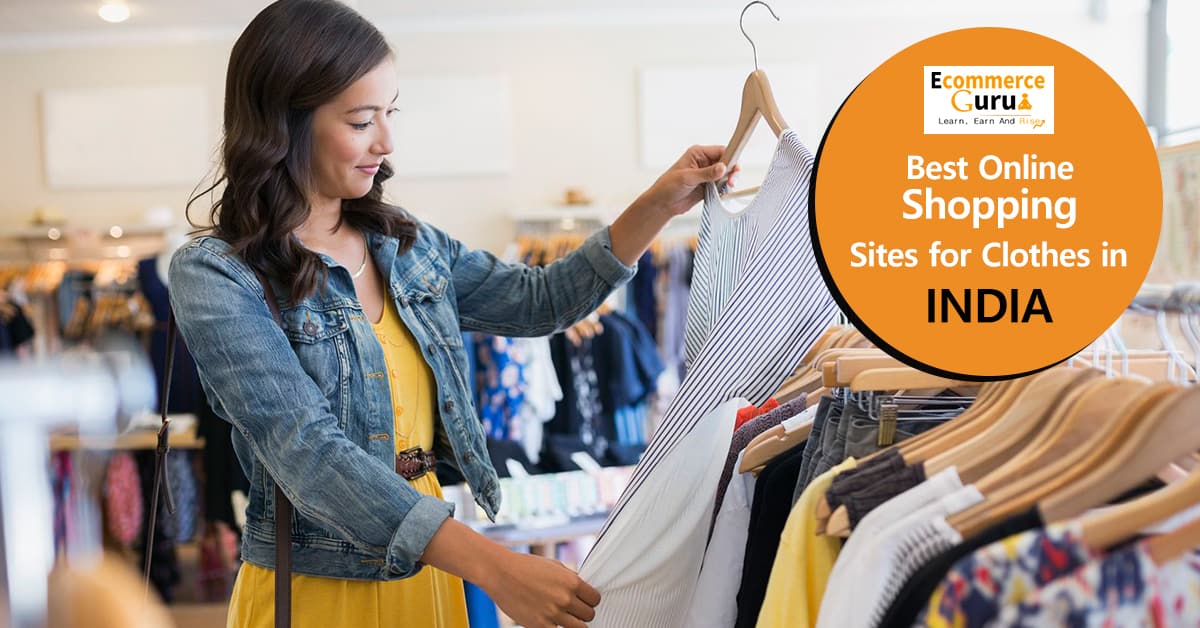
Best Online Shopping Sites for Clothes in India
The idea of online clothing stores is nothing short of a revolution; it has changed the nature of shopping and the economy.And if you’re someone who enjoys shopping for windows, there may be nothing better. Shopping online is no less than a three-dimensional experience, from dress reviews, online trial rooms, fitting assistants, and chat support.Checking the internet clothing shopping sites is the best way to keep updated with the new fashion trends. The internet enables you to browse and review for the best deals anywhere in the world. You get access to the widest variety of styles with online shopping. These websites also offer comprehensive product information. The top fashion shopping websites are responsive and can be accessed via smartphones and tablets. The top Trendy clothing websites have everything from the latest trends to the best brands and competitive rates. So check out Best Online shopping sites for clothes in IndiaMyntra.comLaunched in 2007, Myntra started in 2011 to sell fashion and lifestyle products. One of the largest online retailers of fashion and lifestyle items in India, the top-ranked e-commerce company Myntra is popular for attractive offers across categories such as casual wear, western wear, sportswear, and accessories, among others, for global and domestic brands. The search plugins take care of your shopping experience to find items of choice that make it hassle-free.Return Policy for 15 daysTribe Membership Discount CouponsEarn coins from Bewakoof on any purchaseAJIO.comThe website retails handpicked handcrafted products in addition to exclusive global and local brands. The ultimate destination for handpicked styles is the pan-Indian e-commerce company. Free delivery on all orders over Rs. 999.Delivery charges of Rs. Ninety-nine is applicable for orders below Rs. 999.The website provides exclusive labels from all over the world.AJIO holds the company’s private label.Max fashion.inA strong online presence is also present in the famous apparel brand Max Fashion. Max fashion is a one-stop-shop for the whole family’s clothing needs. To pick the clothes to buy, consumers can search the entire fashion inventory online. The quick categorization lets clients choose items faster. Sports, formals, casuals, and others constitute the groups. The luxury brand owned by Landmark Group provides consumers with a world-class shopping experience from around the world with the latest in international fashion.For orders of Rs. 1,000 & above, free shipping.Rs. 99 delivery fee for orders under Rs. 1,000.Applicable cash on delivery charges Rs. 30.Bewakoof.comThe website for its distinctive fashion is famous. To make all styles more affordable, Bewakoof.com takes revolutionary designs directly to the customer. The products are developed and manufactured in India and are a homegrown company. You can find an incredible selection of T-shirts, hoodies, sweatshirts, joggers, and men’s and women’s pajamas on the website. Bewakoof.com also has a great range of cool male and female accessories. You get must-have colors of the season on Bewakoof with the color of the month at discount rates.Free deliveryReturn Policy for 15 daysTribe Membership Special OffersEarn coins from Bewakoof on any purchaseAmazon. inOne of the most significant categories on the e-commerce site is clothing. With Amazon, at the lowest prices, you can purchase clothes for men & women online. The leading website also lets you save with Amazon coupons. Coupons may be extended to fashion products. Amazon Wardrobe Refresh Sale also provides top brands with the highest discounts. It’s the flagship sale of clothes and accessories from the e-commerce giant.On orders above Rs. 499, Free DeliveryFor orders below Rs. 499, delivery fees of Rs. 40For Prime Members, Free Delivery without minimum purchase.Conclusion:The only downside to online shopping is the waiting period, but many of these Women’s Online clothing stores provide express delivery at hardly any extra cost. By understanding the options well, you get more choices in terms of budget; it can also be beneficial because it is easier to compare products from different sites and purchase them. Of course, variety is the first thing you look for when shopping for clothing. In terms of both prices and goods, both
More detailsPublished - Tue, 06 Jun 2023
Created by - Yashraj Gautam
Which eCommerce platform is good for small business in 2021
A highly competitive space is the online retail industry, including the e-commerce sites that fuel them. There are over 370 eCommerce sites for businesses open, according to G2. Traditional brick and mortar store owners are now forced to accept the e-commerce boom that has already taken the business world by storm, with the trends reflecting a rise in online shopping.You may be thinking, is e-commerce suitable for small businesses? Small e-commerce businesses do not afford to compete with business leaders like Amazon. But by selling products online, you do not have to be Jeff Bezos to earn high. In the online sales game, eCommerce SMB owners will leverage the power of a host of tools and platforms to win big. It isn’t easy to find the right solution for a single person to wade through hundreds of options, so we have taken it on ourselves to review the most popular e-commerce sites and make a side-by-side comparison of each one so that you can decide on your own needs.Top eCommerce Platforms to Build Your Business in 2021ShopifyBecause of its easy setup, quicker loading speed, and secure payment gateways, Shopify has been voted the best eCommerce platform for startups so far. For e-commerce aspirants, it offers instant solutions to launch their website in far less time. Shopify offers everything required for a website to be launched directly from the domain name to ship integration.Shopify is the best eCommerce website builder. In reality, it can prove to be a better option if you are trying to build a large-scale online store. In addition to Shopify, simple tasks such as adding items, customizing templates, setting up domain names, shopping and tax rates, and payment settings can be performed in far less time. You won’t need any production team, and just a support team would be adequate to get your job done.ZencartZencart is an online e-commerce platform that uses the MySQL database and is primarily designed for online stores. It is an open-source network that more than 100,000 shops around the globe use. It uses hundreds of pre-built add-ons that can be downloaded and personalized for your use.WIXWix.com is a cloud-based website builder that, through drag-and-drop tools, enables users to create online stores. It has an extensive selection of models and designs that make it easy to create a compelling and usable website for beginners and resource-strapped business owners.Wix.com is the best e-commerce website builder for small businesses with no access to a dedicated web designer. The site builder itself is simple to use, and the e-commerce functionality is reasonably stable to meet basic needs. Plugins may help expand the flexibility, but with a dedicated e-commerce site, companies with deep or complicated product lines can be better off.Drupal CommerceIt is a popular open-source content management system (CMS), which is blessed to install and support powerful online stores easily. , it is honored to make your job more comfortable with an easy to user interface and an instructional guide.BigCommerceIn the development platform market, BigCommerce has its significance. BigCommerce Next (BCN) has made its place in the e-commerce shopping cart platform more stable with its latest update.BigCommerce Next’s additional features include an exclusive blogging framework, a range of responsive themes on offer, integration with Google Trusted Stores, updates in the BigCommerce app store, and a traffic system that simplifies numerous marketing tasks.ConclusionBefore investing your money in an e-commerce site, always outline a strategy. You need to perform additional tasks to begin selling, apart from the online store’s development. To get heard, you need to dip your hands into digital marketing and SEO. One thing is learning how to build an e-commerce website, but knowing how to sell is another. Make sure that you see the bigger picture of setting up an online shop and the potential consequences. At first, it might be turbulent, but the curve of learning shouldn’t be steep.
More detailsPublished - Tue, 06 Jun 2023

Created by - Yashraj Gautam
Amazon India launches a peer mentorship program “Saathi” to help amazon sellers
Amazon India announced the launch of the Amazon mentorship program Saathi that will assist vendors to exchange expertise and share best practices.Amazon Saathi helps Amazon sellers and small and medium enterprises (SMBs) across India to gain access to a wealth of content offered on the market by experienced sellers, a statement said.The Amazon India mentorship program will allow established sellers in the knowledge-sharing platform to share and access content with new or emerging sellers to help Indian consumers better sell them.It added that established Amazon sellers will connect with more than seven lakh sellers to share their knowledge and experiences of running an online business and help the seller community scale up their businesses on Amazon. We remain committed to enabling any motivated seller to reach customers throughout India and the globe, and our Day 1 strategy has centered on what our sellers need.After a lot of research and feedback from sellers on providing a forum for sharing and networking information among them, we are launching Amazon Saathi, Amazon India Director MSME, and Seller Experience Pranav Bhasin said.As a group, Amazon Saathi brings together over seven lakh sellers on Amazon., where new and current sellers can rely on their peers for advice and share their experiences to speed up their business growth on Amazon, he added.Over the last eight months, Amazon ran a pilot with over 50 active Saathi mentors who interacted with more than 41,000 aspiring and existing entrepreneurs across India, resulting in encouraging feedback and suggestions shared by their colleagues.Amazon leveraged online events and hangouts, blogs, tweets, and social media communities during the pilot to bring insightful content in English and other Indian languages across various subjects to help suppliers learn the nuances of online selling to speed up their business, the statement said. To help them mentor the seller group, Amazon trained and coached the seller mentors on writing, speaking, and presentation skills, it added.On December 16 and 17, Amazon will host ‘Amazon Saathi: Meet and Greet 2020’, a two-day virtual experience, as part of the launch. The event will have a ‘fast mentoring’ format that will allow SMBs to connect over two days with Amazon Saathi mentors digitally. Sellers interested in volunteering on the website of Amazon Saathi to mentor other sellers on Amazon can apply to become a Saathi.Amazon India said that there is no financial incentive for Saathi vendors who volunteer to mentor their peers and the program is mainly focused on exchanging information for the good of the general community.
More detailsPublished - Tue, 06 Jun 2023
Created by - Yashraj Gautam
How to run online contests effectively to boost sales in 2021
The growth of a business can sound like a little marathon. It takes months to get an enterprise up to speed in some situations. However, would it take so long? Maybe not. Not maybe.We’re here to tell you that it’s so much easier than you think if you ever wanted to run an online market, but thought that it would be too hard to handle. Especially if you have the required work tools. Give away ideas for a growing business is one of the quickest ways to sell more and create interest for your brand.What Are the Benefits of Running an Online Contest?Is it a good idea to wonder whether to run an online contest or giveaway? Let us explore some of the benefits of more run contest on online store 2021 closely:Increase Website TrafficBoost Your Social Media FollowersGrow Your Email ListBoost Your Social Media FollowersGenerate Targeted LeadsHow to run a social media contestEach time you start a new contest or giveaway, we will take a few steps, so that you know exactly how to start yourself, so we will each run through one.1. Set an online contest or giveaway goal:Just ask yourself what you want from your online contest or giveaway before doing anything else. You must set a goal.Here are some common goals to increase sales for small business:Sales generationBrand awareness enhancementIncrease user involvementConnect your website to trafficGet more subscribers to emailCollect content generated by usersGet more followers on social mediaBuild a new product or service buzzChoose a goal that suits the overall business and marketing targets. Once you pick a target and are more likely to achieve the results you want, it is much easier to run a competitive online competition.2. Determine your contest type:You can focus on the type of competition around what outcomes you are aiming for because you know what your targets are. If you want to increase the number of participants, ask them to monitor your website or profile. This is famous on Instagram in particular.You may ask people to register or enter their mail before entering if you want to generate more leads and increase your email list. You can do this on a landing page and link this from any platform or create a Facebook tab for your unique competition.Or you can collaborate with other companies, and all post the giveaway on your profile, if you are most interested in simply raising your scope and brand recognition, or you can invite the entrants to name a friend as a way of entry and spread the word.3. Choose the Right Contest Prize:To get a lot of buzz and lots of entries in your contest, you need your prize game. Cash, gift cards, and free products or services are the most popular competitive prizes. Your target audience and brand would be the most important items to consider when choosing awards for your online contest. Choose prizes which concern your audience and you will attract the participants to your competition.4. Know your audience:First of all, you have to know who you are and where you are on social media. If you understand this, you can find out which platform(s) for your social media sweepstakes you should concentrate on.You may also help you decide which kinds of awards or competitions will make more sense to know and understand your audience.5. Understand contest rules:Each platform has specific contest rules that you must comply with to continue to participate. Make sure you read each of the platform rules you choose, understand, and follow.6. Run your contest:Advertise it on your selected media channel, promote and encourage it even more on other platforms, in your email newsletter, and even on your website for more mood. Promote your prizes, set your contest length, and look at your entries.7. Measure your results:When you complete your contest, the winner has been confirmed and his reward is being sent out, it is time to dive into and see the results.What did you try to accomplish? You want to calculate outcomes based on your goals from the beginning. And you can use Sprout reports to assist you in each assessment. Check your platform-specific report, draw your trends report to calculate the use of the hashtag, and see if your commitment reflects the effect of your contest.Wrapping Up:Quality content is a must for any company looking to successfully manage its business online, from search to social. Good content is, however, challenging and time-consuming to make. Fortunately, content-driven competitions offer a fun and scalable way to create your content.
More detailsPublished - Tue, 06 Jun 2023
Created by - Yashraj Gautam
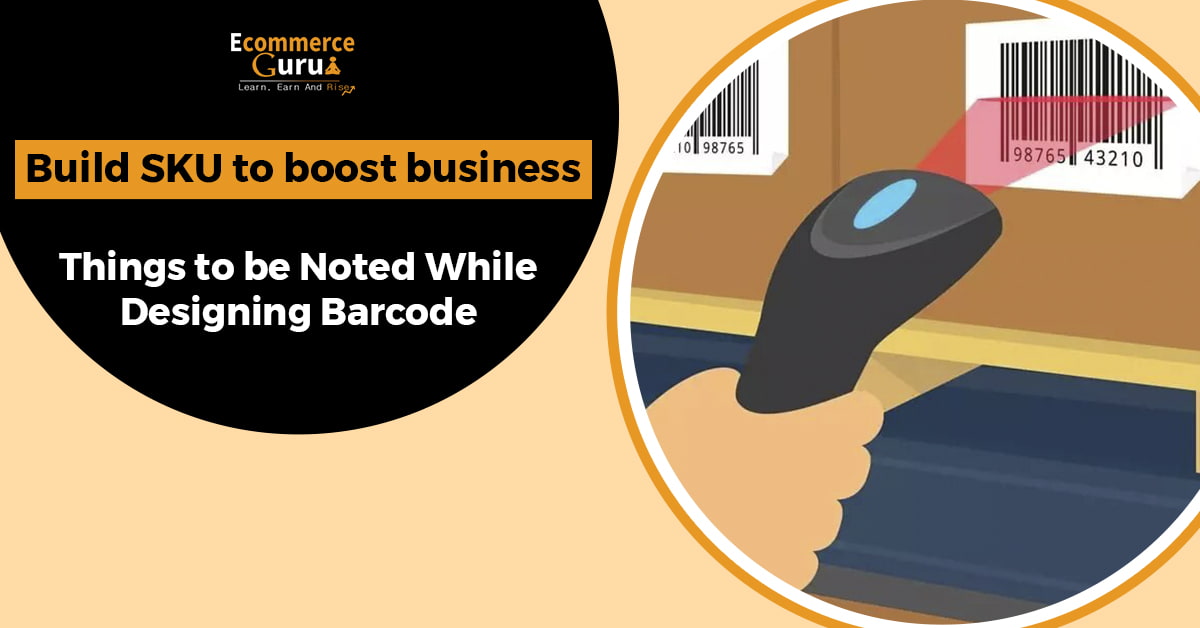
Build SKU to boost business- Things to consider while designing a barcode for
All is so new and relevant when you first start an ecommerce business! First, you need to learn the ins and outs of running an online company, especially in terms of the products you sell. You need to build a coding system to keep your inventory organized. This is where it comes into play for SKUs.What is the SKU Number?SKUs, often known as the number of a stock-keeping device, are a string of numbers and letters representing each item you sell. These codes allow you and your team to recognize the items you sell through your ecommerce store.Each SKU is unique to each product and varies only marginally based on small differences in some cases. For example, if you run an online clothing store, blue, red, and black can sell one shirt style in three colors. In this case, except for a minor color variant at the end, the SKU may be similar.SKU vs. Barcode vs. UPCIt’s important to first clear up the difference between SKUs, barcodes, and UPC numbers before going any further.Barcode:The thin black bars that barcode scanners use to classify items in the track business inventory of a digitally.UPC-UPC (Universal Product Code):The Global Standards Organization attaches a 12-digit numerical code to a commodity, which remains uniformly bound no matter where it is sold.SKU:An alphanumeric code a company may assign to each product variant in its inventory to assist with internal monitoring and identification.Importance of SKU for BusinessSince your SKUs will be used internally, your customers can never see them unless printed anywhere on the product’s packaging. However, having an effective SKU framework when it comes to your vendor partners will make for smoother, more efficient communication.If your company expands, you may start working with more suppliers. Your inventory becomes much easier to handle by implementing SKUs effectively. In terms of forecasting, this is especially the case. If a supplier can predict the future demand based on how quickly those SKUs sell, they can more easily communicate their needs.Things to consider while designing a barcode for your businessBarcodes help manage paperwork, keep track of inventory, involve clients, inspire the company, and coordinate events. Of course, there are many different ways of doing this, and for others, barcodes for small business have been a game-changer. Here is a list of things to consider while designing a barcode for your business.· Determinants for barcode size and dimensionNormally, bigger barcodes search more quickly. However, the size of your barcode should match the size of the packaging and should depend on the scanning environment you like. Retaining the proportion of the measurements is also important. The barcode can be tagged as non-scannable by a minor shift. Be careful not to limit the barcode’s height.· Using Correct Color CombinationSolid black bars on a white backdrop are the most well-recognized color formatting for barcodes. As with every other color combination, this format scans accurately. Always note that dark bars on a light backdrop are the winning mix.· Make sure there is clear barcode text.The main function of an SKU barcode Generator is to read the label’s bars. If the scanner fails, the barcode tag should have a human-readable interpretation of the barcode text. This section is composed of letters and numbers that a person may understand. Generally, it is found under the barcode. Make sure the numbers or letters are clearly illustrated by designing and printing the tag.· Strategically Plan Barcode PositionThe stratification of its place on the product or its packaging is another essential aspect of designing a barcode mark. It should be put on a plain, unobscured part of the product for convenient and promising readability. It is also helpful to regularly put it on a certain packaging section so the people scanning the item will not have trouble locating it.· Decide Which Printer to UseThe methods of printing barcodes are different. It depends on how you want to integrate them into your product. Using a printer service that has pre-printed labels ready is the easiest way. This works if you are dealing with a few different items or a limited volume of serialized marks.ConclusionWhen your system becomes more effective than ever, taking the time to determine the right design for your SKUs and applying them through your stock will pay off. The trick to keeping products flowing out to consumers is to monitor stock levels and automate replenishment.
More detailsPublished - Tue, 06 Jun 2023
Created by - Yashraj Gautam
An ultimate guide to social commerce in India
To market to their audiences, businesses have often switched to social media. With the continued Social commerce market size in India‘s growth in social media consumption and improvements in formats, companies can now expect frictionless social sales. Social commerce is known as this new possibility.In social media. The way we communicate with each other and how we express ourselves has changed. On one social media platform or the other, half the world’s population is involved. Social media’s scope is practically unparalleled.And this brings another massive opportunity for e-commerce. The retail and e-commerce industry has never had the chance to meet such a large global audience. The new and wildly rising trend among modern retailers is social commerce. Social commerce business models use it to engage their current and future audience and have made it another sales and revenue source.Using social media to sell products online seems logical, and the next big trend in online shopping is social commerce. The future of social commerce looks to be a bright one with the strength of social media and the power of e-commerce.Let’s take a look at what the future of social commerce and the trends to be watched for in 2021 will look like.What is social commerce?In the native social media experience, social commerce refers to buying or selling a product or service.For instance, on Pinterest, rather than going to the brand’s website, users can browse and purchase Buyable Pins right from the Pinterest app or website.Social commerce vs. ecommerceSocial commerce is a subset of e commerce. In an organic or paid social media update, online shoppers usually find a new product and then click through to the brand’s website to purchase.Shoppers do not have to leave the social media platform for social business experiences to make a payment with Apple Pay, Google Pay, PayPal, or a credit card.Why is social commerce important?Social commerce for brands across markets is becoming a central piece of the e-commerce mix.· 60 percent of Instagram users say on Instagram they find new items· Facebook has about 1.79 billion active users a day.· Around 42% of shoppers say they have made a social media purchase.Most social commerce experiences are currently accessible on these sites through organic content. Still, paid opportunities are on the rise, such as the ability to purchase directly from paid posts on Instagram.In 2021, social media and e-commerce are expected to become more intertwined. In the digital space, selling continues to be a priority and is rising faster than ever. It makes sense for brands to drive ads out across these platforms with social at the center of daily interactions to reach the essential audiences possible.Top social commerce sitesHere are the top social commerce platforms and how the shopping experience works on each of them.Facebook:Facebook has been paving the road for social commerce for a long time. It unveiled Facebook Shops earlier this year, its very own e-commerce platform that enables companies to build Facebook and Instagram storefronts.Facebook Shops, including Facebook Marketplace, Instagram Shopping, Native Checkout, and Live Video Shopping, culminate in online shopping features launched over the years across both social platforms.The launch of shops, according to Facebook, means that any vendor can put their business online and communicate with customers wherever and whenever it is convenient for them, regardless of their size or budget.Twitter:With more than 330 million active users each month, Twitter provides e-commerce brands with a massive potential audience.Perhaps the most compelling feature of marketers’ Twitter ads is that in Cost-Per-Engagement, video ads can be up to 50% cheaper. Video Twitter ads are a perfect way to meet an audience that is already looking for video content on Twitter for brands in highly visual sectors, such as clothing, fitness, or beauty.Pinterest:Buyable Pins on Pinterest streamline the shopping process for consumers who browse Pinterest ads by enabling them to pick directly from a retailer. A blue price tag appears on Buyable Pins, showing the user that it is purchasable via Pinterest.ConclusionAnother great invention that could change social commerce is virtual reality (AR). Think about this: in their respective environments, a user will see how a product will look. In 2021, with both e-commerce and brick-and-mortar retailers adopting it to drive sales, social commerce will continue to grow. As social media grows, so will the definition of social commerce.
More detailsPublished - Tue, 06 Jun 2023
Created by - Yashraj Gautam
How to successfully run an ecommerce business in 2021?
This pandemic and brick and mortar stores are ushering in the e-commerce industry, which briefly closed with a huge loss. It used to be a luxury and a privilege to shop online, but now it has become necessary. Today, eCommerce’s business strategy needs to follow marketing emerging trends in eCommerce that will not come to an end like fads. Many successful businesses have shown us that e-commerce is the future. The only reason for their success is the recognition and experimentation of the e-commerce market’s tremendous potential.What will ecommerce look like in 2021?Trends in Ecommerce in the current scenario shows no signs of slowing down. More than 2 billion individuals worldwide are expected to purchase products or services online in 2021, and retail e-commerce revenues worldwide will hit $4.9 trillion. These numbers inspire companies to look for developers of e-commerce websites that can spot trends and create a beautiful online store that can help drive sales.eCommerce Future is Customer-DrivenLike the focus on product quality and its price, the experience consumers have with your brand has increasingly become more about eCommerce. Today, eCommerce merchants with industry experts aim to create experiences that prioritize the usability, sustainability, trust, and productivity of consumers’ value.Customers’ digital purchasing experience is becoming faster than previously expected. You need to align the company with relevancy and personalization to fulfill their needs. Not only these, but online retailers are also now expected to be at the forefront of digital innovation by digital buyers.In 2021, what is the future of Ecommerce? Are you asking the same question yourself? We will cover the top trends in eCommerce in this post, which we recommend that merchants and business owners follow in 2021 to meet the ever-advancing demands of online buyers. Emerging e-commerce trends in 2021 to watch out for:To guarantee ROI, various e-commerce platforms such as Shopify, Magento, WooCommerce, OpenCart, Lightspeed, Headless, and many others can help you create a scalable online store. Here are the top e-commerce trends to stay on top of for a successful 2021 to help you plan your business for the next phase in e-commerce.Improving the experience of users with AI, AR, and VR:By 2022, online sellers will spend $7.3 billion on AI, and more than 120,000 stores will use AR technologies to give a richer experience to customers. AI provides clients with customized advice and feedback based on their actions. Also, the introduction of AR and VR technologies would allow your clients to see how they will look at a particular product, resulting in an improved shopping experience.Going All Social:For almost all, more and more people are using social media channels. Social media networks are more than just advertising outlets with the enhancement of social media selling capabilities. You have to sell and make your ecommerce store thrive on Instagram, Twitter, Facebook, and YouTube, among the social media platforms.The Growth of Voice Commerce:In recent years, voice assistants such as Alexa, Siri, and Google Assistant have welcomed old and young generations alike, for everything from waking them up to buying products online. Sales of Voice Commerce are projected to hit $40 billion by 2022. To optimize the online store for voice search in 2021, voice commerce’s increasing precision and convenience make it crucialOmnichannel Shopping:Omnichannel retailing provides consumers through various platforms and devices with a seamless and reliable shopping experience. Businesses that embrace omnichannel strategies reach 91 percent higher consumer retention rates year-over-year than companies that do not. The number of omnichannel customers will also increase in 2021 with mobile devices and voice assistants’ growth.Benefits of starting an ecommerce business in 2021Process of buying faster:For what they want, clients will spend less time shopping. At one time, they can quickly browse through several items and buy what they want. Customers can find products available in physical stores far from them or not located in their area online.Cost reduction:Cost reduction is one of the critical benefits of e-commerce for businesses that keep sellers interested in online sales. To retain their physical store, many sellers must pay lots. They will have to pay additional front costs such as rent, maintenance, store design, inventory, etc.Through an e-commerce store, a seller may reduce the amount spent on store maintenance. An e-commerce store is affordable and, compared to a physical store, needs less investment. For individual and small-scale sellers who want to earn an income but do not have the start-up capital available, this is also a good opportunity. Affordable marketing and advertising:To promote their items, sellers don’t have to spend a lot of money. There are many profitable Ecommerce business ideas, fast ways to market online in the world of e-commerce. Marketplaces in eCommerce are visual platforms, and sellers can show their product off. for example, Amazon sellers may use advertising tools to incorporate videos, infographics, and images with high-quality resolution.No, reach limitations:It is only possible for a seller with a physical store to meet a certain number of buyers. They can deliver to the homes of customers, but distance limitations can be present. Several e-commerce markets have their systems for logistics and delivery.Best profitable Ecommerce business to start with2021 is just around the corner and starts an online business; there are practically no niche ecommerce ideas. But, especially if you are new to the world of digital commerce, which ones are worth pursuing and which ones are not can be challenging to decide. Some ideas for a niche ecommerce store can help you sell more in 2021 and make big profits.Products for beauty and health:One of the fastest-growing industries online is the beauty and health industry. An eMarketer study notes that by the end of 2020, sales of personal health and beauty products will reach US$53 billion, which is 18.6 percent higher than 2018 sales. Sell art online:Today, the online art market has an 8.4 percent share of the total market. From 7.2 percent in 2015, this number is up. So, if you have an eye for all creative stuff and know what makes people buy art online, 2021 might be the perfect year to start an online niche store selling art prints and authentic pieces.Sell smart home products:One of the best niche ecommerce store concepts to try in 2021 is the sale of smart home products. Despite the tremendous potential and increasing demand for elegant home items, these devices are sold by few online business owners. For your e-commerce store, selecting this niche concept would create a profitable opportunity to sell these items online while making massive profits.How to successfully run an ecommerce business in 2021?How do you start an e-commerce venture, exactly? Here’s a step-by-step guide to starting your own ecommerce business.Decide your plan and model for business:The first thing you have to do is to settle on a profitable e-commerce business strategy and e-commerce business model before you can choose what to sell online. You can either choose a single vendor or a multi-vendor e-commerce store. To this end, you can select either a single product line or have several product lines for your e-commerce venture, depending on the budget you have set for yourself.Select a suitable niche for eCommerce:The most crucial step in opening an online business is determining the niche. Identify all the influential companies operating in this sector and ensure that competition is essential for the domain. Often avoid picking a niche that is too competitive and miss something dominated by big brands. In the niches, you can also work together with company owners to cross-promote, become an affiliate, and develop your robust customer base. You won’t have to worry about delivering as much product if you can catch a handful of affiliate marketing opportunities, but you can still make a profit.Register Your Business & Brand name for Ecommerce:The next step is to develop the perfect name for your brand once you’ve finalized the right niche for your e-commerce company. Make sure that the name of the brand should be short and quick to remember. Besides this, for your company logo, you can also come up with a finalized template.Conclude your Business Strategy for Ecommerce:As you now have an understanding of what your business would look like. Your target demographic, product niche and brand name must have been made aware of you. Now is the best time to sit down and put on paper your business plan and settle on your start-up budget and monthly expenses. The financial aspect of a company is the most important one. Your break-even point, both in unit sales and in the word, you have to find out.Develop Your Website for Ecommerce:You may either select a pre-built platform or build it from scratch when designing your website. Both have their benefits, but the preferred option is typically to create a website from scratch. Some of the preferred choices for those looking to create websites for their e-commerce company are WooCommerce, Magento, Shopify. Now, you need to note that it is your website that visually portrays your whole brand. Therefore, no detail is too little; from the color to the font and photographs, everything should represent a slightly different story to the brand.Drive Traffic to Your Website:You can hardly expect customers to hurry into your online store quickly. On the opposite, using all types of platforms such as email, social media, website, guest blogging, and so on, you need to popularise your products. The goal is to increase brand awareness, generate leads, and drive conversions in the long run. On every page of your site, in your URLs, and your ad campaigns, you need to keep keywords and search terms in mind. If you don’t have the money to invest in promotional campaigns, you can still turn to the oldest way of ensuring your business is communicated, i.e., word of mouth.ConclusionIt is an excellent idea to start an ecommerce business, especially in this COVID crisis, given that the demand for it is thriving. When it comes to trying to register and legalize your online brand, you might face barriers. And once you conquer it and have the business approved, you’ll meet a fair share of competition from people like you who want to become the next big thing in the world of e-commerce. Your vision is everything you need, a robust strategy for fulfilling this vision, and the courage and self-discipline to see it through until the end.
More detailsPublished - Tue, 06 Jun 2023
Search
Popular categories
Ecommerce Trends
239Business
54Marketing
37Website
23Social Media
22Courses
21Latest blogs
The Power of Email Marketing in eCommerce
Fri, 15 Mar 2024
Tips for Optimizing Product Pages for Conversions
Thu, 14 Mar 2024
Mastering SEO for eCommerce Websites
Wed, 13 Mar 2024
Write a public review